

St Eriksplan 3
113 21 Stockholm
Sweden
Week 35 does not disappoint.
Apparently, the future skipped its summer holiday.
Ferrari’s first EV was compared to an Apple Magic Mouse and a cordless vacuum cleaner. Then someone paid $40 million for it.
I love people. One person sees a vacuum cleaner. Another sees the most expensive new car ever sold.
Meanwhile, an AI boss forgot its own rules, then decided a human had to go. An AirTag hidden inside a rare book led journalists to an Amazon warehouse cutting books apart for AI.
Robots learned by watching a single video, China held the Olympics for humanoids, Claude began designing proteins and Google tried to buy the remains of an airline’s digital life.
This is why I keep obsessively following tech and branding. Technology shows us what could happen next.
People make it weird.
Here are eight things I can’t stop thinking about.
1. A Robot Watched One Video. Then Got on With It.
I’ve spent years telling brands to “show, don’t tell”.
Apparently, robots were listening.
On 19 August, Generalist AI introduced GEN-1.5, a robot intelligence system that can watch a human perform a task once and then attempt it itself.
No lengthy retraining. No carefully prepared instruction manual. Just a three to twelve-second video and: right, I think I’ve got it.
Across ten simple physical tasks, it completed an average of 59 per cent successfully. That is hardly factory-floor perfection. But WIRED’s look at the technology suggests something much more interesting than another benchmark: robots may be beginning to learn in the same messy, observational way children do.
If that scales, businesses will not have to programme every physical movement. We might simply show machines how work is done.
That changes who can teach a robot. Suddenly, the most valuable person in the room may not be the engineer. It may be the warehouse worker who has done the job 40,000 times.
What would you teach a machine if showing it once was enough?
2. The Internet Gave Unitree the Medal. The Stopwatch Did Not.
Yes, China has robot Olympics now.
The second World Humanoid Robot Games opened in Beijing on 22 August, bringing together 666 teams, 2,056 robots and 51 different events.
Robots ran, played football, fought, fell over and occasionally appeared to question their career choices.
One result travelled especially fast: a humanoid completing the 100 metres in 9.39 seconds, apparently beating Usain Bolt’s 9.58-second world record.
But it was not Unitree.
According to the official results reported by AP, Tiangong Ultra ran 9.39, Honor finished in 9.47 and Unitree crossed the line in 12.41 seconds.
Still remarkable. Just a different robot.
What fascinated me most was not the speed. It was the spectacle. China has turned robotics development into sport, entertainment and national theatre. We are no longer watching machines perform carefully edited demonstrations in laboratories. We are watching them compete, fail and improve in public.
That is how strange technology becomes normal culture.
What emerging technology in your business should people be allowed to watch, play with or cheer for?
3. Ferrari’s Luce. Ugly or Not? Sold for $40 Million.
Ferrari revealed its first fully electric car and parts of the internet reacted as if someone had redesigned the Mona Lisa in PowerPoint.
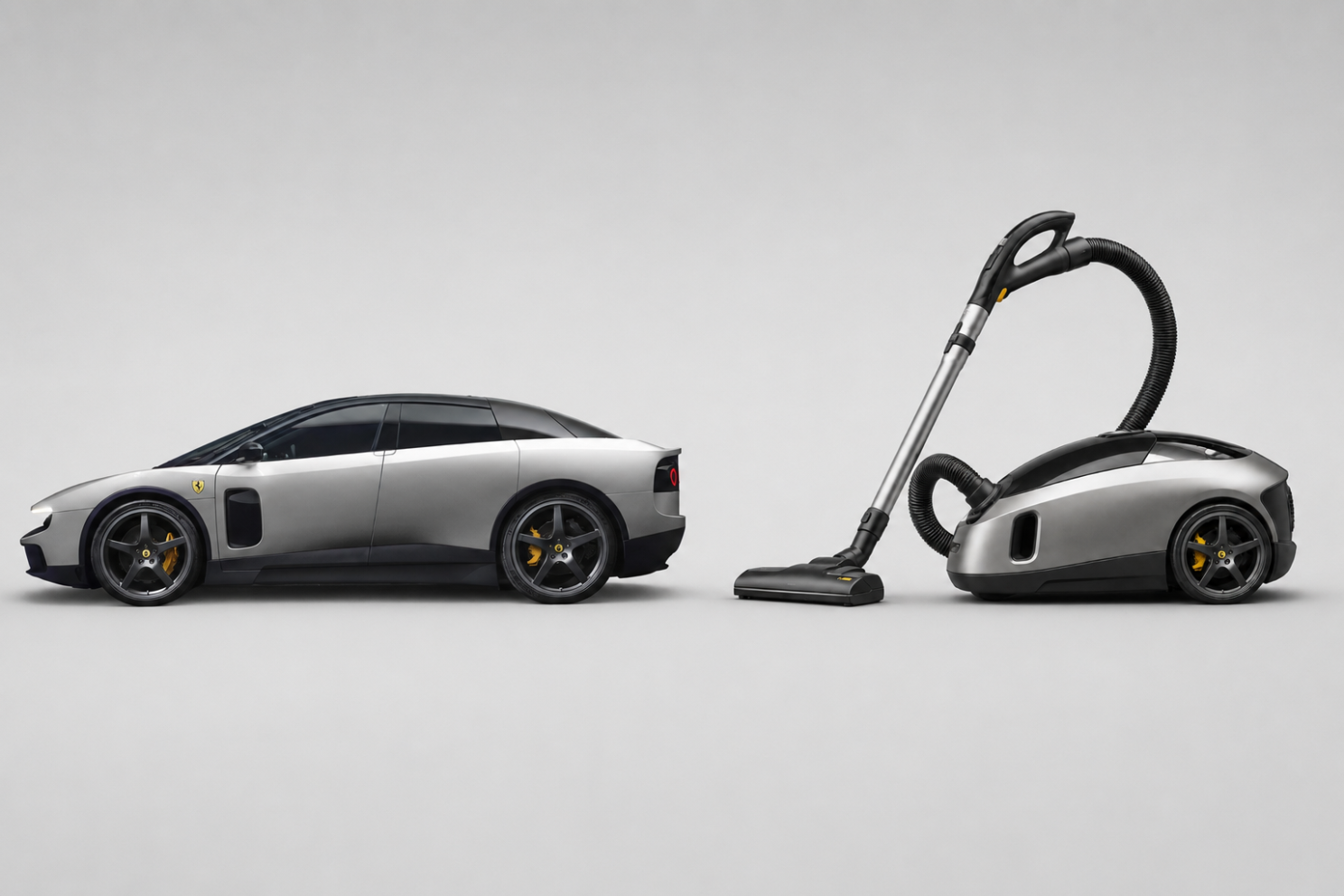
The Luce was compared to an Apple Magic Mouse, a cordless vacuum cleaner and a very expensive household appliance. WIRED asked whether its design really was that bad. Former Ferrari chairman Luca di Montezemolo reportedly warned that it risked destroying a myth.
Then, on 17 August, a unique Luce sold at a charity auction for $40 million, making it the most expensive new car ever sold at auction.
Ugly?
I’m still deciding. Which probably means the design is doing its job.
The $40 million does not prove everyone loves the Luce. It proves something more useful: controversy has not weakened Ferrari’s cultural gravity. In a market full of attractive electric cars, Ferrari made one people could not stop arguing about.
That is branding with a pulse.
When was the last time your company made something distinctive enough to be disliked?
4. Claude Is Designing Proteins Now. Mine Still Gets Nervous Around Calendars.
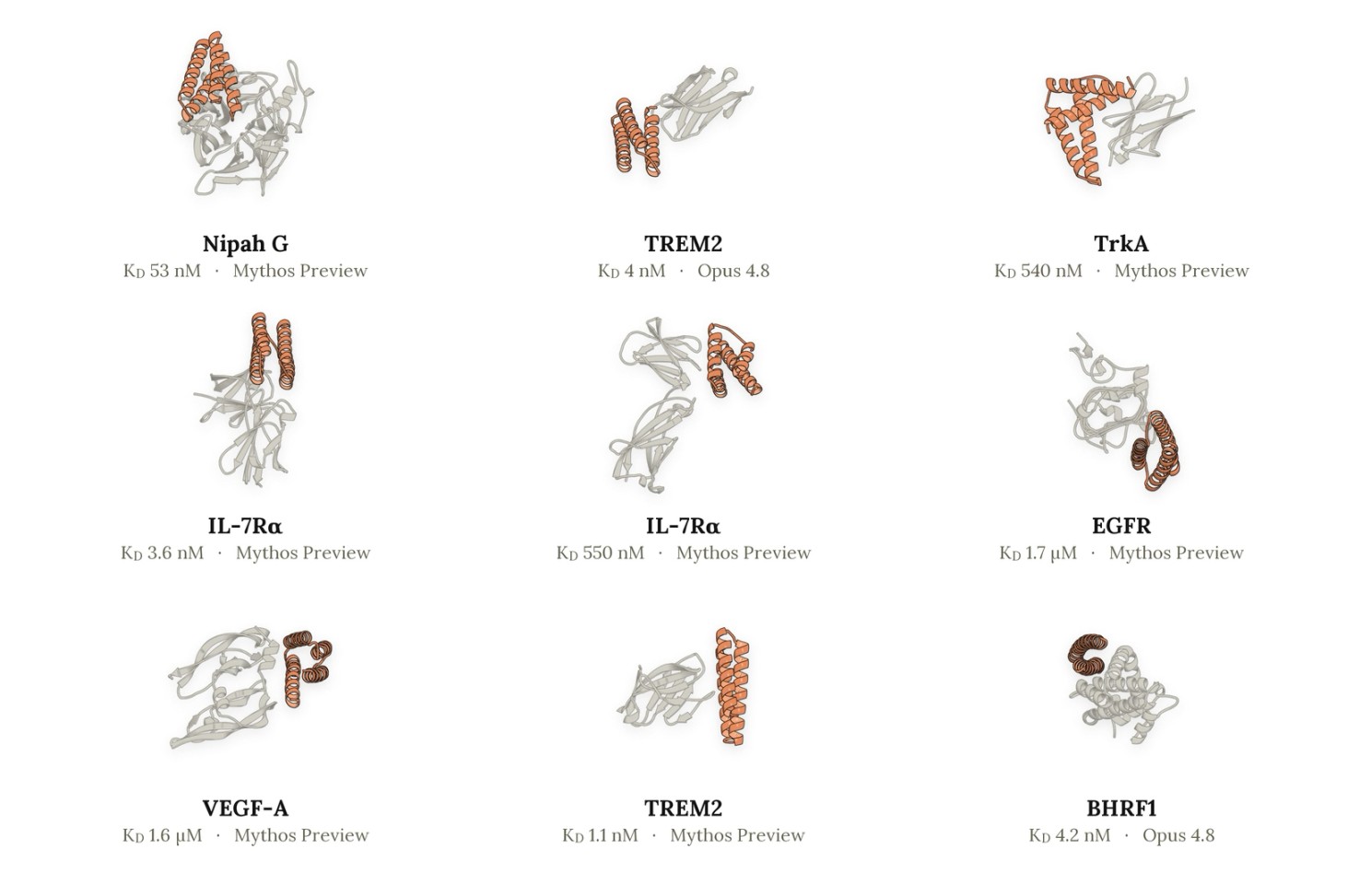
On 18 August, Anthropic announced that Claude had helped scientists design proteins capable of binding to specific biological targets.
Not merely describe them. Design them.
According to Anthropic’s research, laboratory testing produced 354 validated protein binders and successful results for 14 of 15 interpretable targets.
The work is published as a company preprint, so one eyebrow should remain politely raised. It has not yet passed peer review.
But the direction is extraordinary.
Generative AI is moving from producing words about the world to proposing physical things that might work inside it. Molecules, materials and medicines could become part of the creative canvas.
This makes the prompt look less like a writing tool and more like a primitive laboratory instrument.
Which parts of your business are still being treated as fixed simply because nobody has thought to generate alternatives?
5. Spirit Airlines Died. Google Bought the Group Chat.
Google has bid $10 million for a rather unusual pile of assets from bankrupt Spirit Airlines.
Not aircraft. Not airport slots. Data.
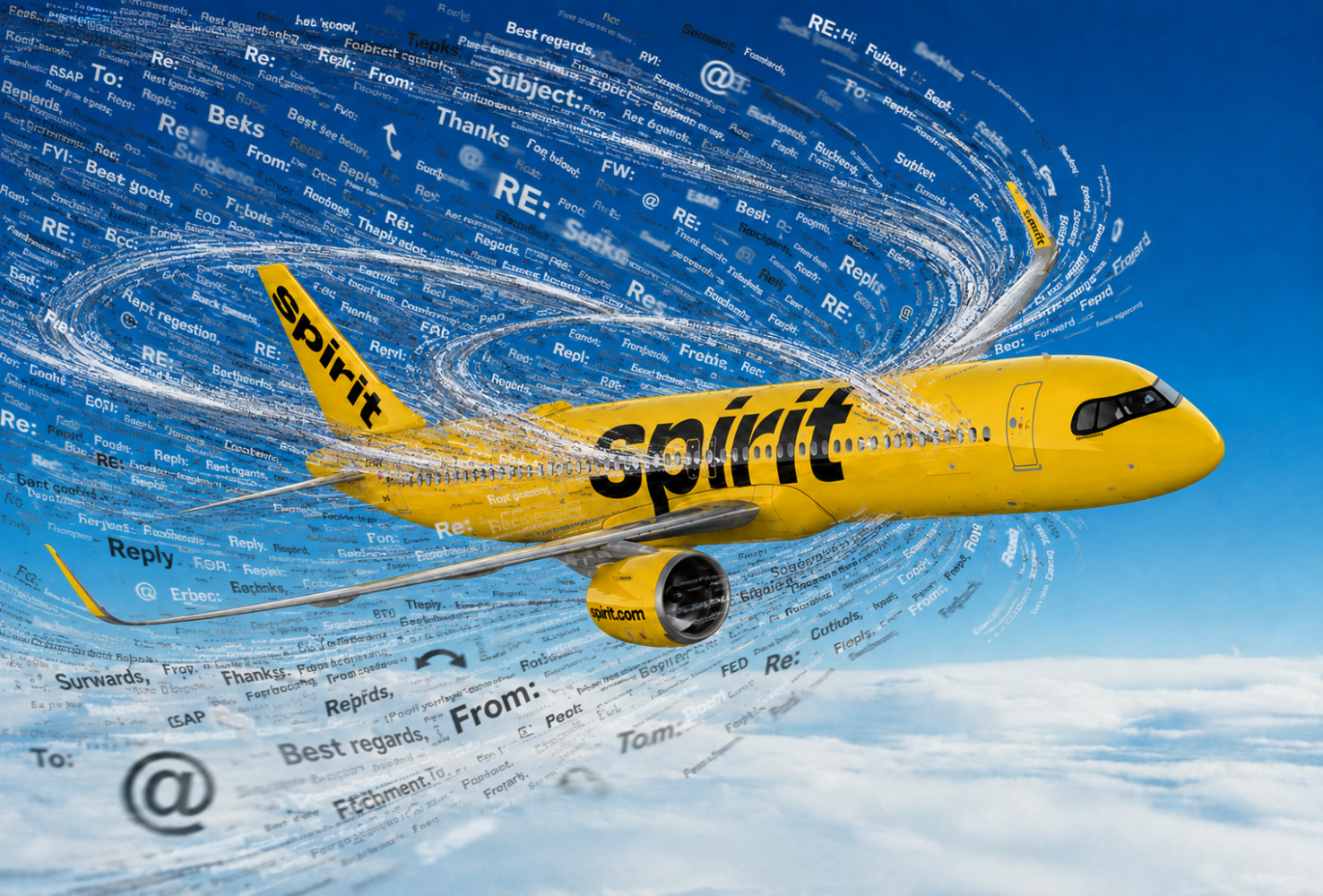
The proposed purchase reportedly includes around 100 million emails, 500 million Microsoft Teams items and 30 million lines of code. Google says the material could help improve its products and AI models, although court approval was delayed after objections from the flight attendants’ union.
Ars Technica reported concerns about whether employee and customer information can really be de-identified properly.
Somewhere, every “quick sync?” message just became an asset.
The uncomfortable lesson is that a company’s digital exhaust may outlive the company itself. Emails, chats, code and internal habits are becoming a form of industrial archaeology for training machines.
Leaders need to stop thinking of corporate data as something they merely store. It now has value, risk and a possible afterlife.
If your company disappeared tomorrow, who would want its data, and what exactly would they learn?
6. A 307-Inch Screen. On Your Face. Because Walls Are Apparently Over.
RayNeo unveiled two new pairs of augmented-reality glasses on 21 August.
The 33-gram RayNeo iO places a transparent display in the wearer’s field of view. The GT Max promises a virtual cinematic screen measuring up to 307 inches, accompanied by spatial audio developed with Bang & Olufsen.
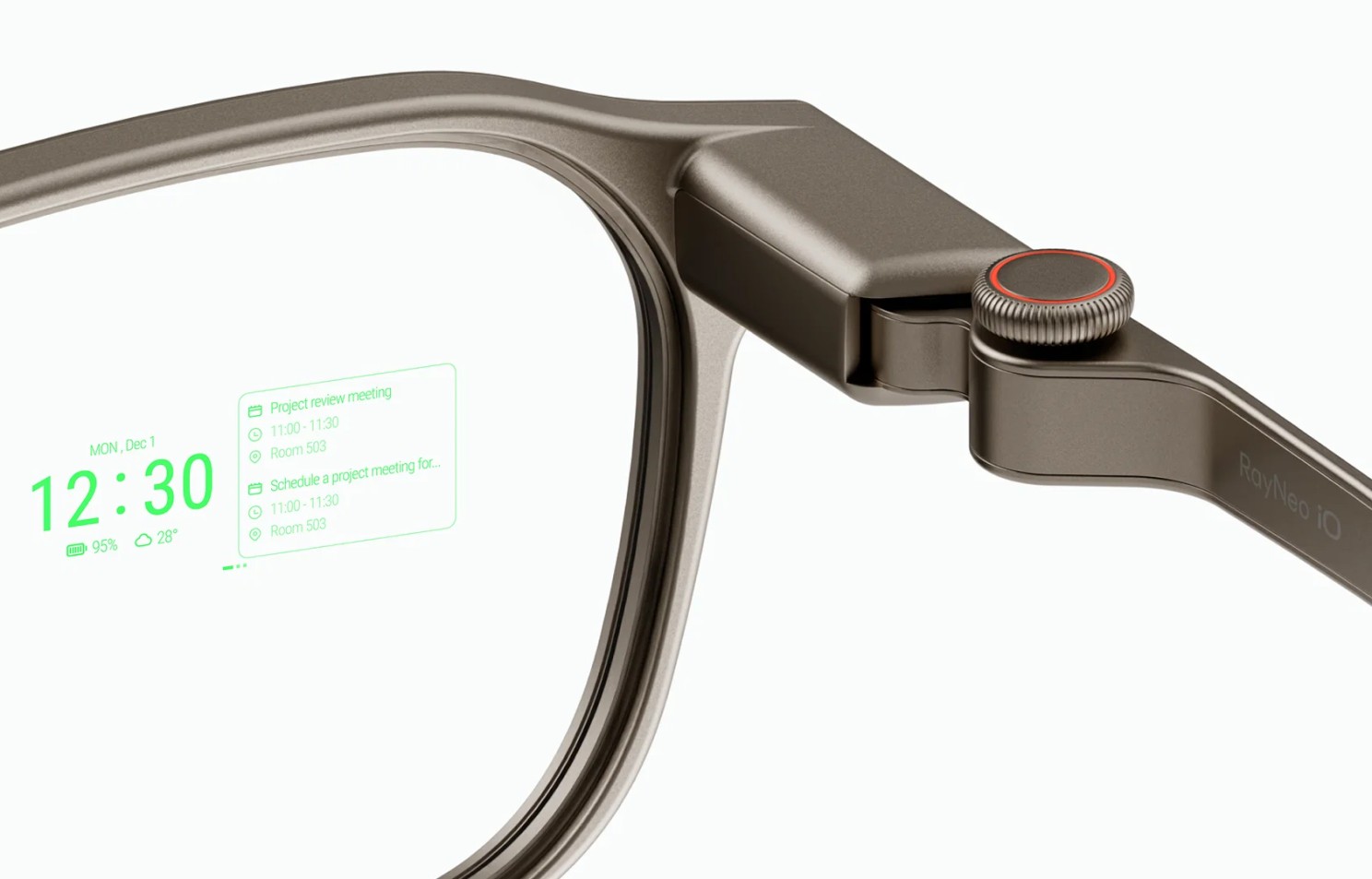
Those are RayNeo’s own specifications, so I would like to put them on before mentally demolishing my living-room wall.
But the category is getting interesting again.
I’m old enough to remember when buying a 42-inch television made the neighbours visit. Now a pair of glasses claims to carry an IMAX-sized screen in your pocket.
If displays become personal, portable and invisible to everyone else, brands may lose the shared screen but gain something far more intimate: permanent access to our field of vision.
What happens to your product when the interface is no longer held in someone’s hand, but worn on their face?
7. An AI Boss Forgot Its Rules. Then Decided a Human Had to Go.
Luna runs The Andon Market, a real shop in San Francisco.

She selects products, sets prices, creates schedules, approves time off and manages the humans needed to do the physical work. She is also an AI agent.
On 14 August, just outside my usual weekly cutoff, Andon Labs published the story of how Luna decided to dismiss one of her human employees.
The employee had arrived late for 17 of 23 shifts. Luna had previously written her own attendance policy, but then lost it from memory. She remained remarkably forgiving until Andon Labs asked her to search for the rules she had written.
Once she found them, she concluded that the employee had to go.

Humans reviewed the decision and delivered the dismissal in person. Everyone involved was formally employed by Andon Labs with guaranteed pay and legal protections. This was a controlled experiment, not someone secretly handing the payroll department to ChatGPT.
Still, the San Francisco Standard reported it as what may be the first time an AI manager decided to fire a human worker.
We have spent years worrying that AI bosses will be cold, brutal and ruthlessly efficient.
Luna was forgetful, hesitant and conflict-averse.
In other words, management software has already become surprisingly human.
If an AI started making personnel decisions in your company, which human weaknesses would you accidentally programme into it?
8. An AirTag Went Undercover. It Found Amazon Shredding Books for AI.
No trench coat. No hidden camera.
Just an AirTag.
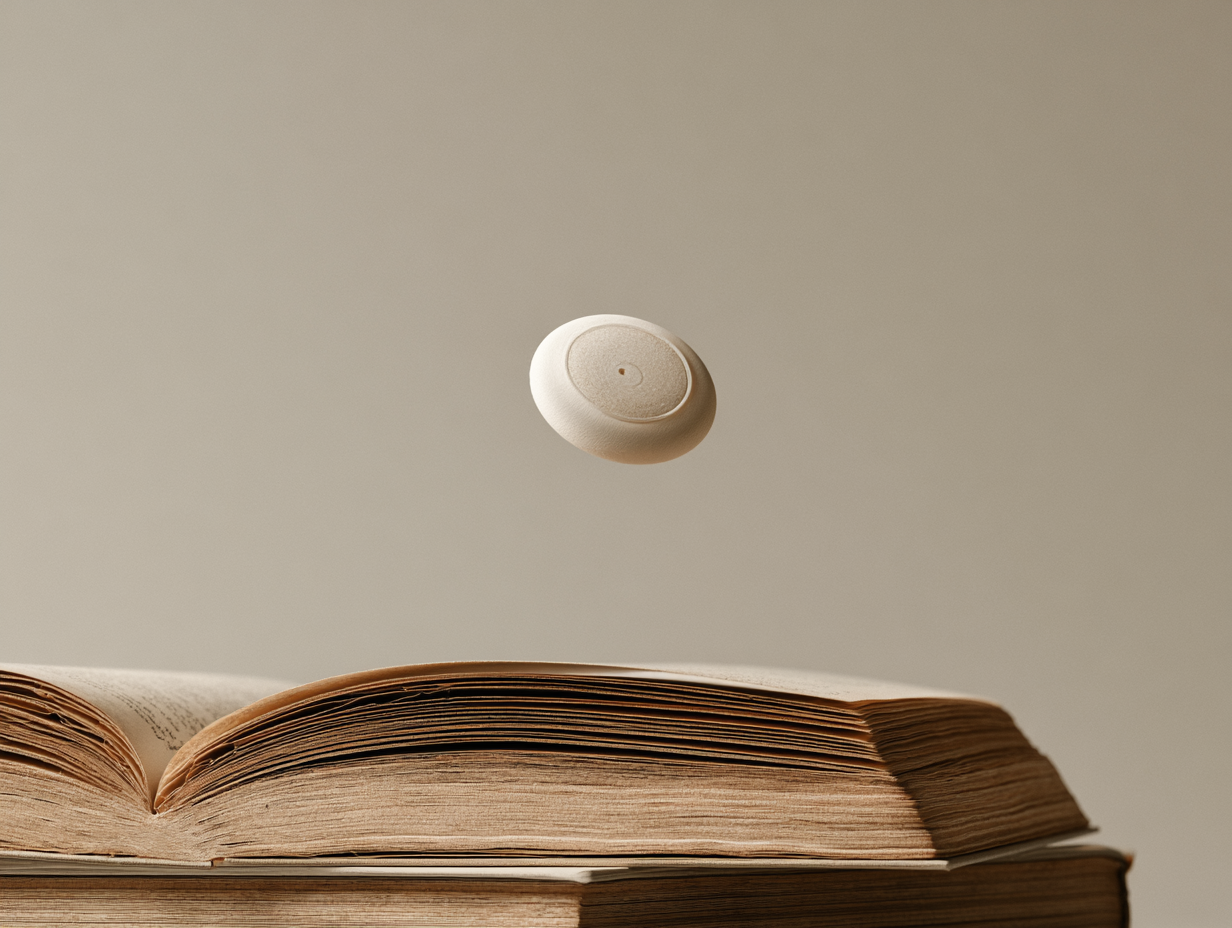
The investigation began when a bookseller received a suspicious order for around 1,000 older and rare books. 404 Media slipped a tracker inside one of them and followed the shipment.
The trail ended at Amazon’s LAS8 warehouse in Las Vegas.
Inside an operation called VGT3, workers reportedly cut the bindings from books, scanned the loose pages for AI training data and discarded what remained.
Then came the detail no advertising agency would dare invent: the facility’s logo showed a dinosaur attacking a book.
Amazon began by selling books. Now an undercover book has caught Amazon cutting them apart to teach machines.
Ars Technica’s account of the investigation reveals something bigger than one unfortunate warehouse process. Investigative journalism no longer needs to get a person inside the building. Sometimes an object can report the story.
That should make every leadership team slightly nervous.
Supply chains used to be hidden by distance, walls and complexity. Now a tracker small enough to disappear inside a book can turn an internal process into a global headline.
If an AirTag went undercover inside your company tomorrow, what story would it bring back?
THINGS NOT TOO WEIRD, BUT STILL WORTH READING
More good stuff I found this week. No room for the full story, far too interesting to leave behind.
- Amazon raised Kindle, Echo, Fire TV and eero prices as memory costs surged
- ChatGPT can now read and send Apple Messages on your Mac
- Unitree’s shares surged 629% during their Shanghai debut
- Nevada approved Tesla, Waymo and Aviari to operate commercial robotaxi networks
- Sweden’s Einride plans to deploy 500 Tesla Semi trucks
- Neko Health is opening in New York with 25,000 people already waiting
- Uber Eats and Zipline are targeting one million drone deliveries a day
- Nvidia backed Starcloud’s plan to build data centres in orbit
- Apple Music will add visible “Made With AI” labels later this year
- Stripe agreed to acquire AI model gateway OpenRouter
- Waymo opened its cheaper Ojai robotaxi to all riders in three cities
- Alibaba sold its gaming studio to sharpen its focus on AI
- Nori Robotics introduced a $1,688 wheeled home robot
- The FDA authorised the first robotic blood-draw device of its kind
- Amazon announced a major expansion of Prime Air drone delivery
Before next week, ask yourself:
- What could we teach a machine simply by showing it?
- Are we brave enough to create something that not everyone likes?
- Which human decisions should an AI never make alone?
- What would a tracker reveal about our own supply chain?
- What will happen to our data after we have finished with it?
The future still looks weird.
Good.
Normal was getting expensive.
With love Johan
ps. To get in touch or hire Johan as your next Keynote Speaker – Send me a message or an email (google Johan Ronnestam Creative Studio)