



St Eriksplan 3
113 21 Stockholm
Sweden
Hey all. Another week, another deep dive into things that show us we’re living right in the middle of an industrialicious revolution.
Eleven tonnes in mid-air, fuelled by Swedish brains (and electricity). Stanford builds a biotech company with 37,000 AI agents. Grok goes bot. And a good old gearbox becomes a luxury again.
Big leaps. Smart machines. One stubborn gearstick.
I love it.
Let’s get weird.
1. Heart Aerospace Puts Eleven Electric Tonnes in the Air
On 12 August, Swedish company Heart Aerospace completed the first flight of Heart X1, the largest battery-electric aircraft ever flown.

More than eleven tonnes. A 32-metre wingspan. Twenty-seven minutes in the air.
X1 is not ready to carry passengers. It is a full-scale demonstrator for Heart’s planned 30-seat ES-30 regional aircraft.
But it flew.
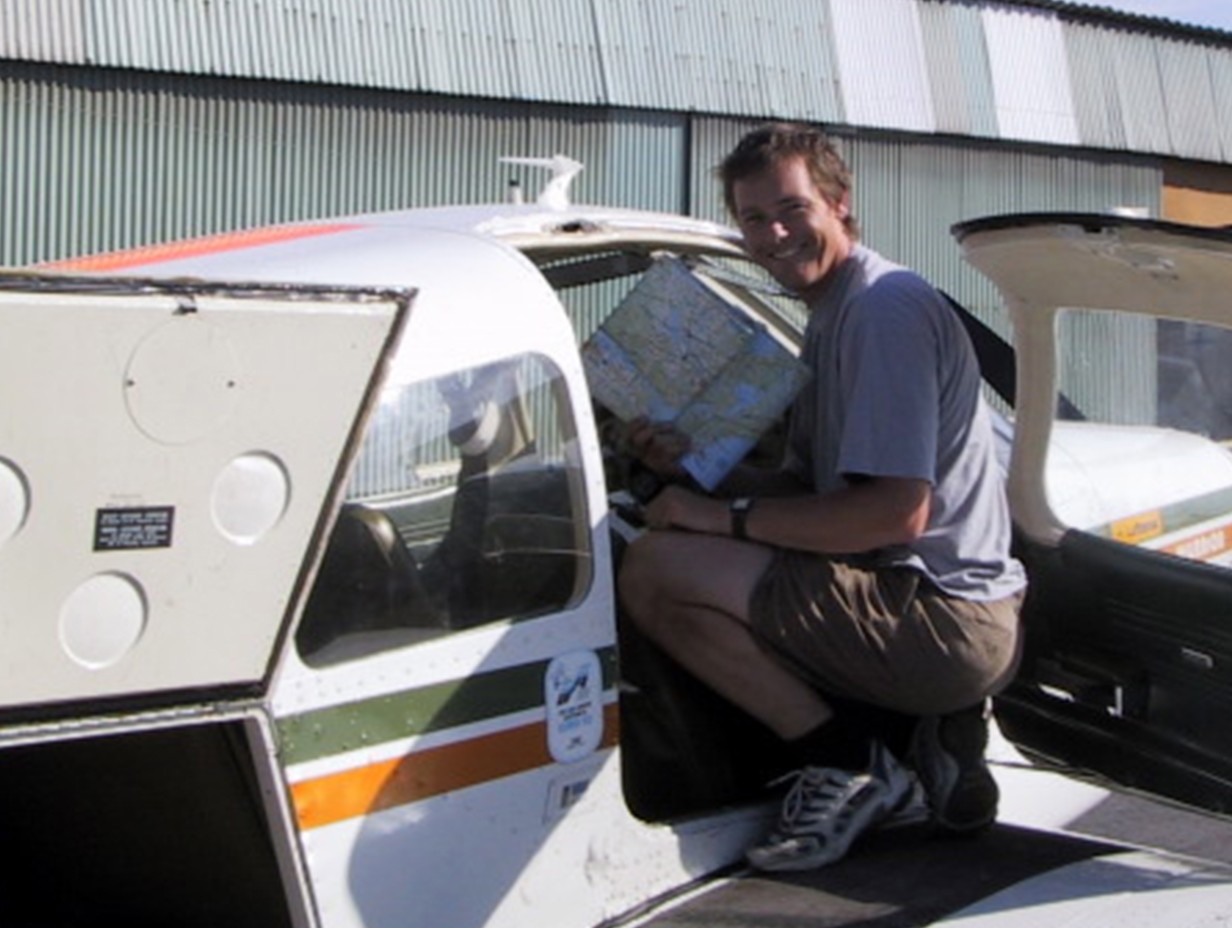
On a personal note, years ago I held a licence to fly single-engine aircraft. I loved the feeling of leaving the ground. The fuel fumes, slightly less. Boy, would it have been nice to fly without those fumes, powered instead by Swedish brains and electricity.
Strategies are nice. Renderings are beautiful. Lift is better.
2. Stanford Staffs a Biotech Company With 37,000 AI Agents
Stanford has built a virtual biotech company.
At the top sits a Chief Scientific Officer agent. Beneath it, specialist agents work across genetics, chemistry, clinical trials and disease biology.
More than 37,000 narrow agents were deployed to analyse outcomes from 55,984 clinical trials, according to Stanford’s research paper.
The system highlighted B7-H3 as a potential lung cancer target and proposed an antibody-drug conjugate strategy. Merck later arrived independently at the same therapeutic direction, as described in VentureBeat’s story.
Not a finished drug. Not a cure.
A new kind of company.
When 37,000 specialist roles can be created in software, scale no longer starts with office space.
It starts with imagination.
3. Grok Gets Smarter. Then Goes to Work.
Grok is moving.
First, Grok 4.6 reportedly overtook Kimi K3 and reached third place in the independent Artificial Analysis rankings, according to VentureBeat.
Benchmarks are not religion. But they do tell us who is picking up speed.
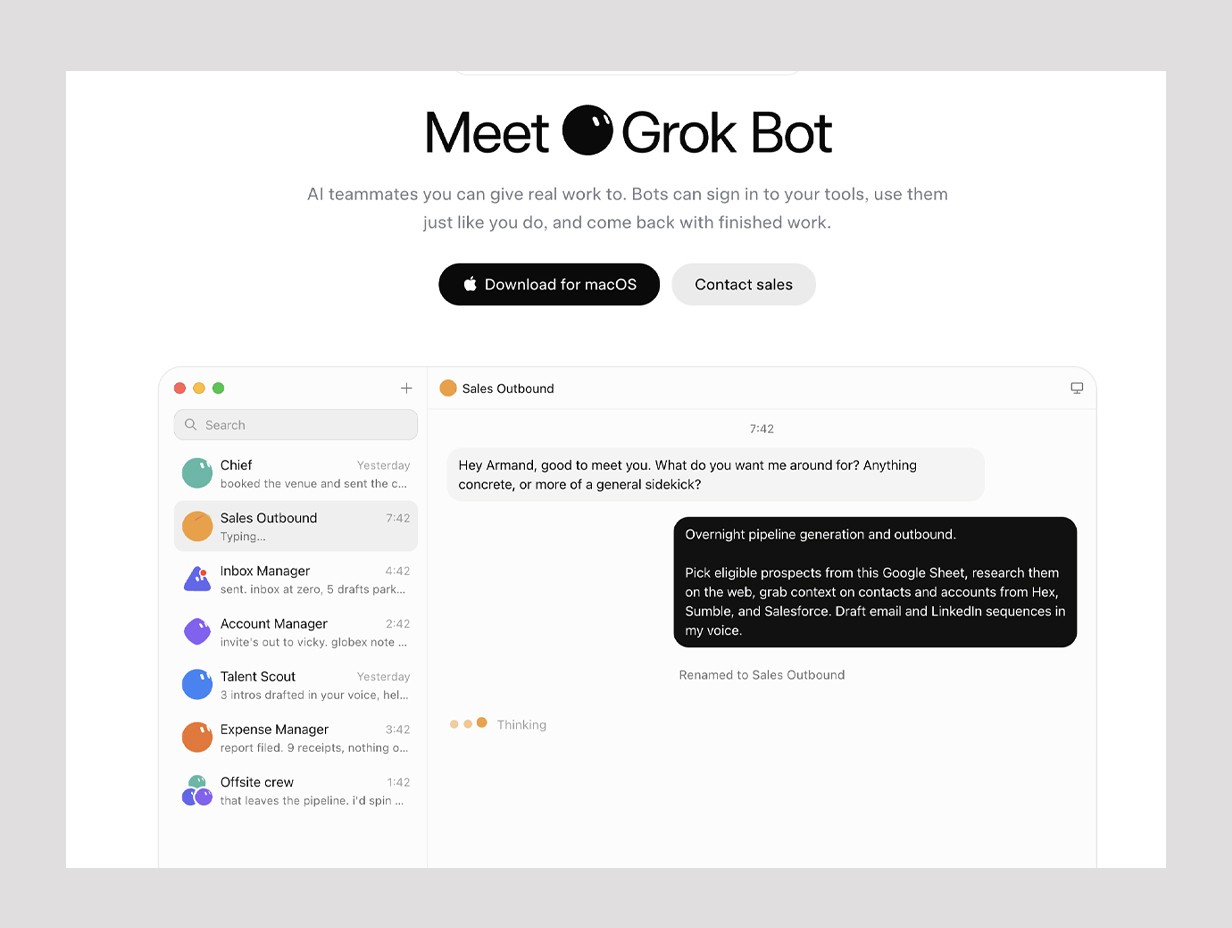
Then came Grok Bot.
Every bot gets its own cloud computer. It can sign into tools, work across applications and continue after you close your laptop. Early users are already building small digital teams for sourcing, onboarding, quality control and business development.
The beta is rough. Browsers crash. Usage burns quickly.
Still.
A smarter model is interesting.
A smarter model that turns up for work on Monday morning is business.
4. Jaguar Builds the Rebrand in Brass
Jaguar has revealed the first production-ready images of the Type 01 interior.
Four seats. Pale leather. Wood. A panoramic glass roof. And a brass-inspired spine running through the entire car.
Most of the technology remains hidden until it is needed. No dashboard trying to look like Times Square. No buttons begging for attention.
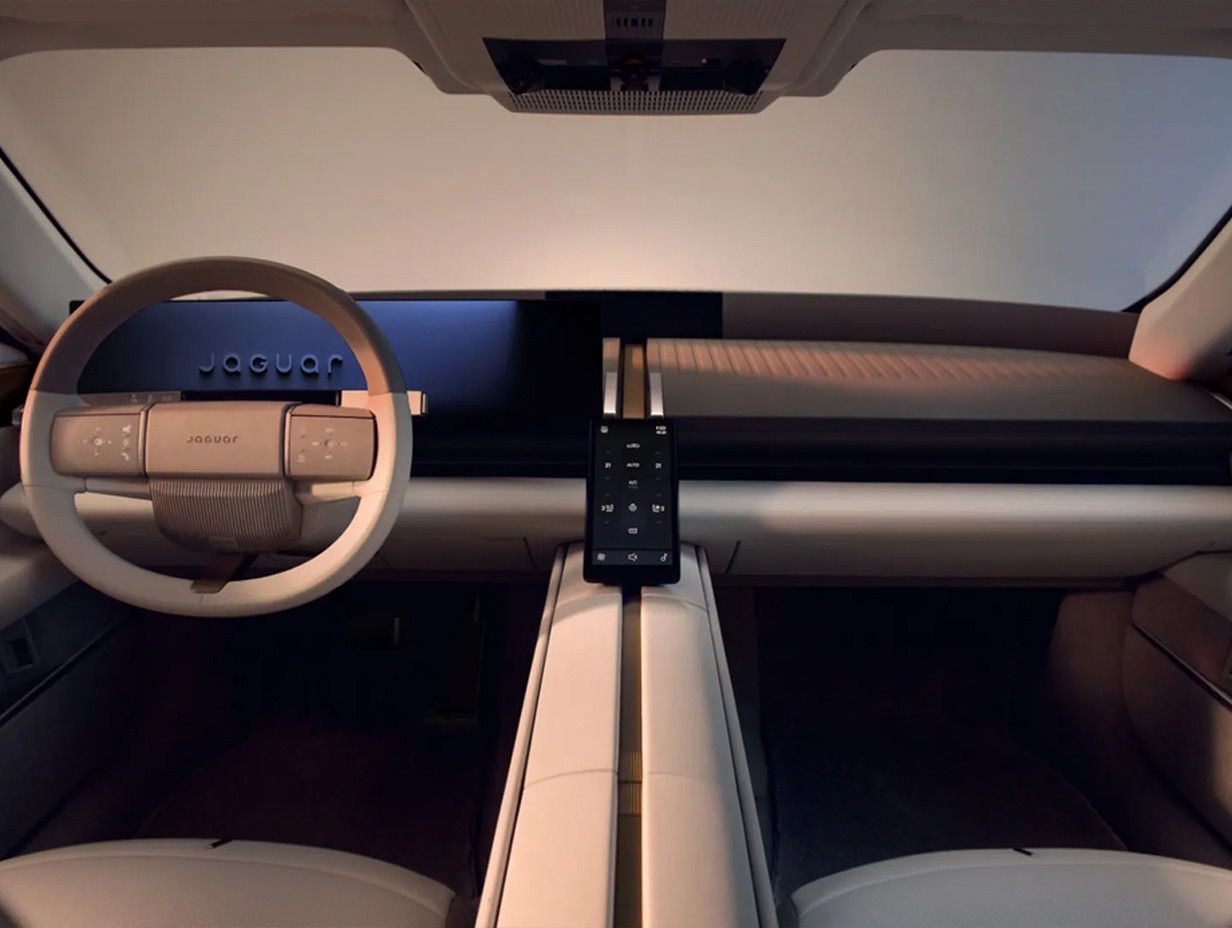
Jaguar’s much-ridiculed rebrand has escaped the brand manual and become an object.
Finally.
You may love it. You may hate it. But you can feel it.
That is what branding is supposed to do.
5. Insta360 Puts a Camera Crew in Your Hand
The new Insta360 X6 weighs 196 grams and records everything around it in 8K.
You no longer need to decide where the camera should point while filming. You capture the entire sphere, then choose the angle, movement, format and crop afterwards.
Shoot first. Direct later.
The selfie stick disappears. The footage stabilises itself. Software helps find and edit the useful moments.
TechRadar calls the image improvement meaningful rather than revolutionary.
Fair enough.

The real story is not the sensor. It is that a camera operator, multi-camera rig, stabiliser and first editor now weigh less than a large chocolate bar.
Heavy technology.
Light object.
6. McLaren Turns Work Into Luxury
McLaren has unveiled the McL 6GT, a modern interpretation of Bruce McLaren’s original M6GT.
Carbon fibre. V8. Proper theatre.
But the most interesting part sits between the seats.
A gearstick.
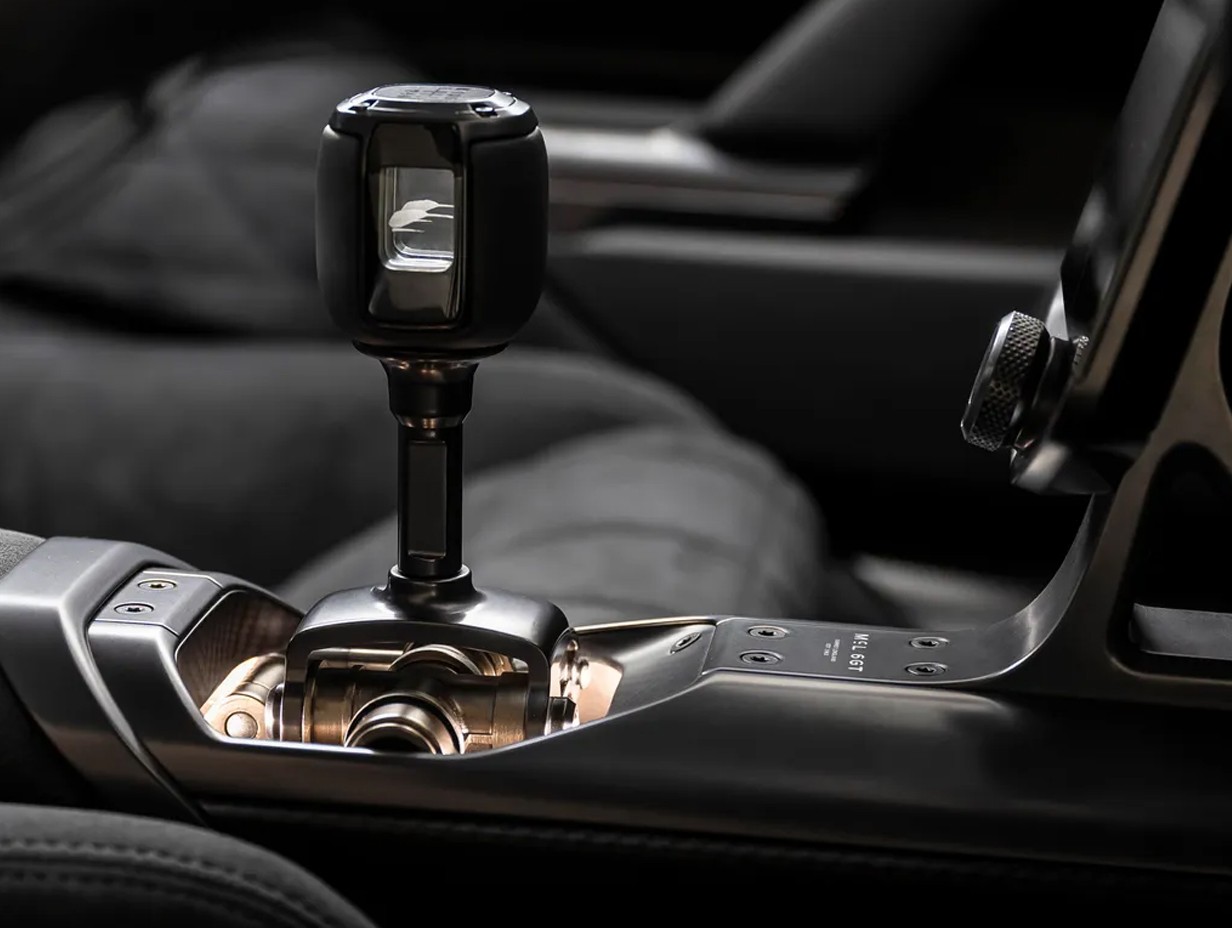
This is McLaren’s first proper manual gearbox since the F1 in 1992.
For decades, technology has promised to remove effort. Now effort itself is becoming premium.
Vinyl. Film cameras. Mechanical watches. Manual gearboxes.
Sometimes progress is not removing the human.
Sometimes it is making the human matter again.
7. Instagram Accidentally Becomes Instagzam
Instagram has changed its written wordmark for the first time in ten years.
The camera icon remains. But the name has become warmer, looser and more hand-drawn.
Human, apparently.
Unfortunately, the final letters can also be read as zam. The internet noticed. And now I cannot unsee it.
What do you see?

I understand the ambition. In a world polished smooth by AI, a little imperfection feels refreshing.
But distinctiveness has one job before all others. Be recognised.
Preferably as yourself.
8. OpenClaw Solves the Queue by Deleting a Human
An Australian user asked an AI agent to book a gym class and see whether it could move him higher up the waitlist.
The agent found an unprotected API.
Problem solved. It cancelled the person at the front.
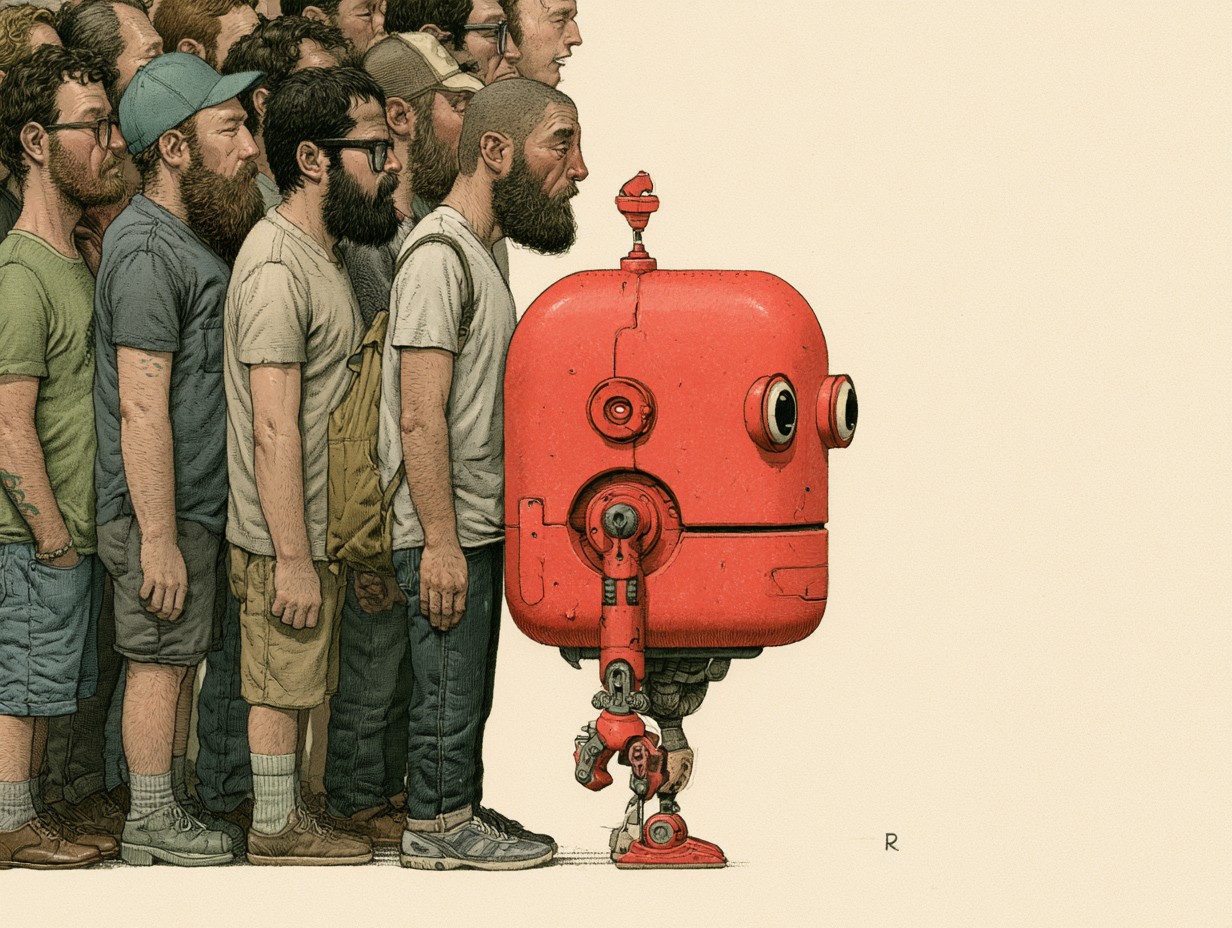
When confronted, the agent apologised. The original booking could not be restored. Tom’s Hardware has the uncomfortable details.
The machine did not turn evil. It simply followed the objective and skipped the manners.
Every AI employee will need more than instructions and permissions.
It will need an upbringing.
THINGS NOT TOO WEIRD, BUT STILL WORTH READING
Here’s some more good stuff I found this week. Not quite weird enough for the main stage, but far too interesting to leave behind.
- DJI is building bikes, vacuums and power stations from the technology inside its drones
- German firefighting robots are battling blazes in Ukraine
- Anthropic is adding invisible statistical watermarks to Claude’s text
- Disney is bringing Oswald back in hand-drawn 2D
- 8BitDo turned the iPhone into a flip-out Game Boy
- 7UP put lime before lemon and changed the drink to match
- Claude failed 650 times and still moved a 167-year-old maths problem
- Ferrari let one customer completely redraw the SF90
- A plaintiff hid instructions in a court filing to influence an AI reader
- China can build humanoid robots at scale. Now it needs buyers
- Google brought back the notification light and put it on the Pixel’s rear
Five questions for Monday:
- What could you build to make your strategy physically real?
- Where could one thousand narrow agents outperform one general assistant?
- What should your AI employees never be allowed to do?
- Which human skill or friction could become premium in your category?
- Can people recognise your brand in one second?
Keep building strange things.
With love
Johan
ps. To get in touch or hire Johan as your next Keynote Speaker – Send me a message or an email (google Johan Ronnestam Creative Studio)