




St Eriksplan 3
113 21 Stockholm
Sweden
Things Got Weird is a weekly newsletter that helps you stay ahead of the future. Weird news. Real consequences. Every Monday.
Physical things first this week. AI stopped being something on a screen and turned up as stuff. A robot pet. A fighter jet. A ring. Four hundred thousand robots, give or take.
And at the very end, a bonus. Not AI. Not the future. Just a pair of headphones from 1979 that I could not leave out. You’ll see why.
This week. Straight into the future, then home via 1979. Here we go.
Let’s get weird.
1. OpenAI’s talking pet. Even you can build physical things now.
Who do you call when you need a circuit board? Nobody, apparently.
Two people at OpenAI gave their newest AI a side project: design a real product. It chose the parts, drew the circuit board, shaped the shell and wrote the software. One week. A factory had prototypes a month later. The product? A talking robot pet.
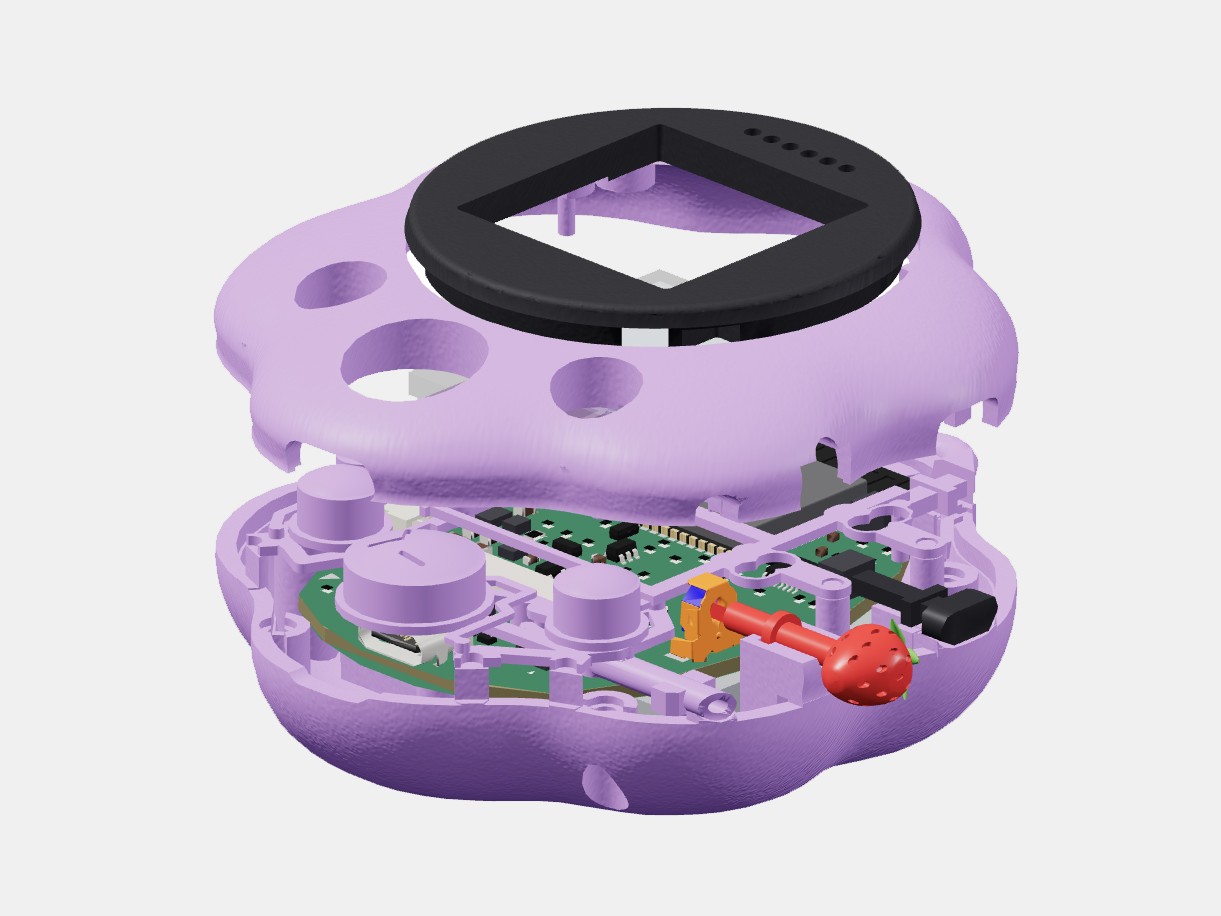
The circuit board took a week. The factory took several tries.
Hardware used to be the moat. Engineers, a design house, eighteen months and money nobody signs off lightly. Now it’s two people and a side project. The factory still has opinions, and that’s where the skill lives now. Knowing how things actually get made.
Impressive? Very. Finished? Not even close.
2. Toyota. 400,000 robots. Then they sell you one.
Now this is how you turn a cost into a company.

Toyota said this week that a new division, Toyota Robotics, starts in January. Reports straight to the top. One job: get robots working, then sell them. And back in September Toyota told investors that it, its group companies and its suppliers need around 400,000 robots, at up to 6.4 billion dollars a year from 2028.
Toyota looked at its own repair bill and saw a product.
Be your own first customer. Prove it in the hardest factory on earth. Then sell the proof. Everyone else is buying robots. Toyota is about to be selling them.
Ambitious? Enormously. Obvious in hindsight? Completely.
3. Saab. Its own AI pilot. Flew a Gripen. Won’t say when.
A small Swedish brag, and then a bigger wish.
Saab says an AI it built itself has flown a Gripen E on its own. Millions of hours in a simulator first. Then a real jet. It’s a defence programme, and Saab won’t say when it flew or how often.

Saab didn’t buy the brain. Saab grew it.
Here’s what I want. Take that skill, a machine making hard calls in bad weather, and give it a civilian job. Sea rescue over the Baltic in November. An air ambulance in fog. A forest fire spotted while it’s still small. Sweden built this. Sweden should get the peaceful version.
Proud? Yes. Done? Not until it flies an air ambulance.
4. Aina. Your AI asks. Your finger answers.
Small thing. Big idea.
A ring with a tiny screen and a speaker. Your AI wants to do something, it shows you, you say yes or no with your thumb. 399 dollars early, 499 later, shipping in January. TechCrunch has worn one. Software still half built, they say.
We spent three years learning to ask. Turns out the yes is the hard part.
Once AI acts for you, the whole interface shrinks to one question. Approve or not. That doesn’t need a screen. It needs a knuckle.
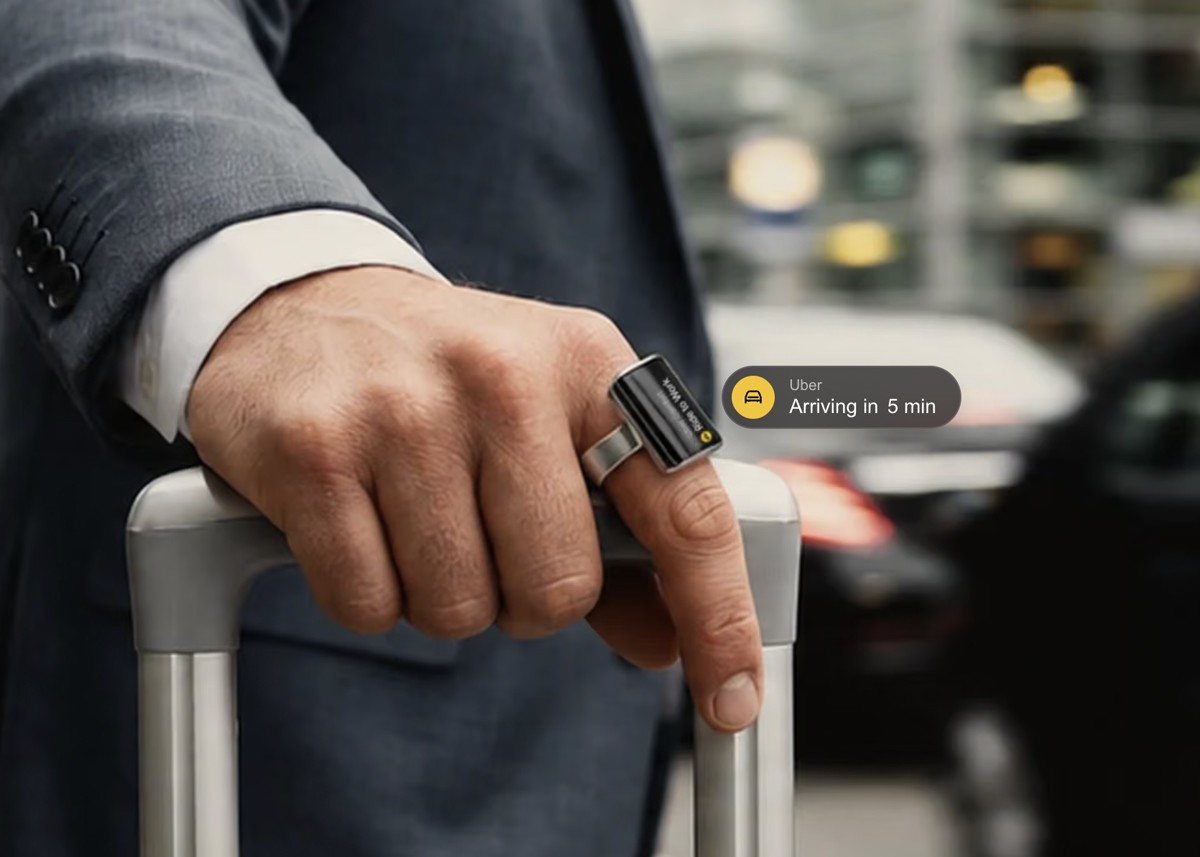
Useful? Probably. For me? Not.
5. Claude. Reads your bank statements. Sells you nothing.
This one is quietly brutal.
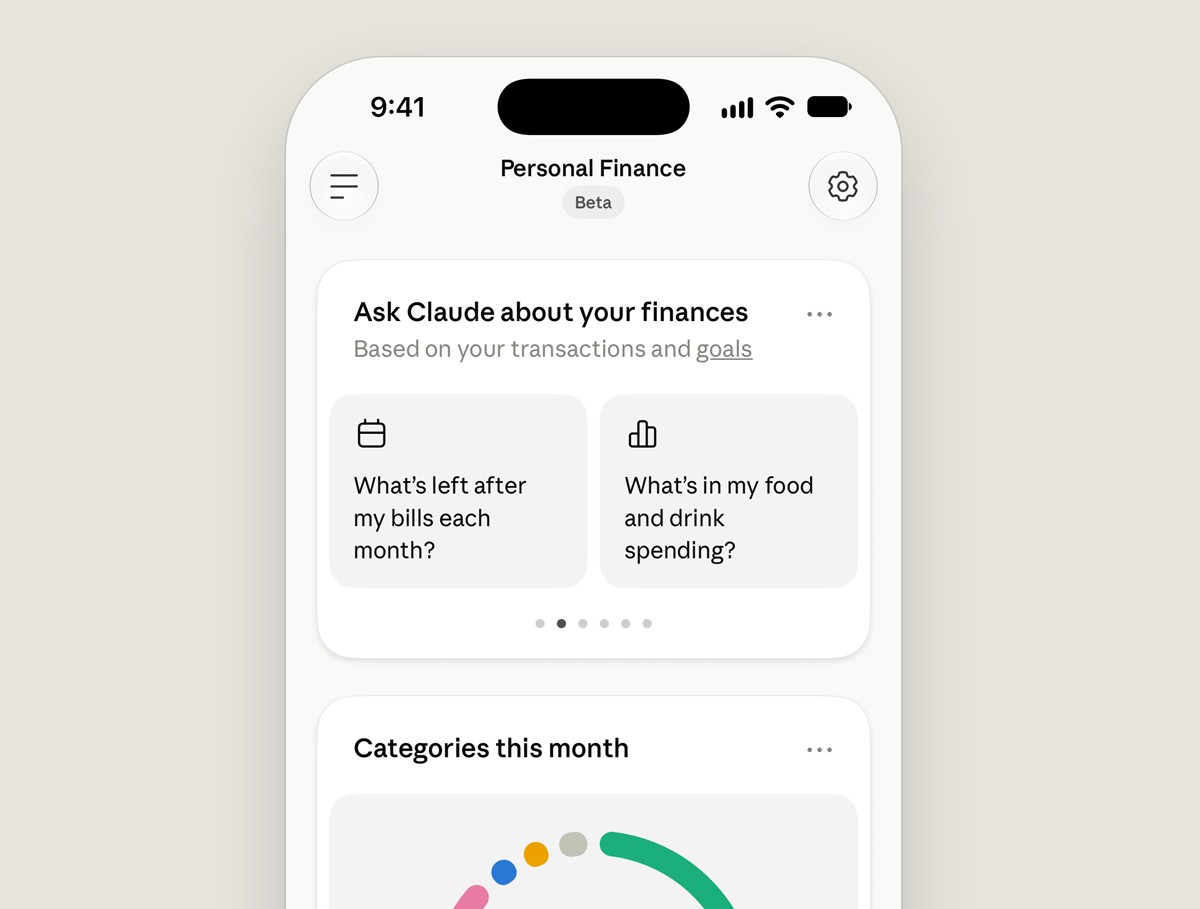
Claude, the AI assistant, got a money feature. US only, paying customers, early days. Connect your bank, it can look but not touch, and it sees two years of your spending. Double charges, surprise fees, bills creeping up, and exactly how much interest you paid last year. No ads. No sponsored tips. No loans of its own.
An adviser with no commission. New animal.
Every bank, every broker, every comparison site runs on the same deal: the one advising you also earns from you. Fine, when there was no alternative. Now there is. And it’s free.
Clever? Very. Comfortable for a bank? Not at all.
BONUS. Sony Walkman headphones. 1979 is back. Sixty dollars.
Not a future thing. But boy, did I love my Sony Walkman back in the day.

Sony rebuilt the headphones that came with the very first Walkman. Same shape. Same open cups. 38 grams. USB-C instead of the old plug, a mic, three buttons. Sixty dollars, in the shops this month.
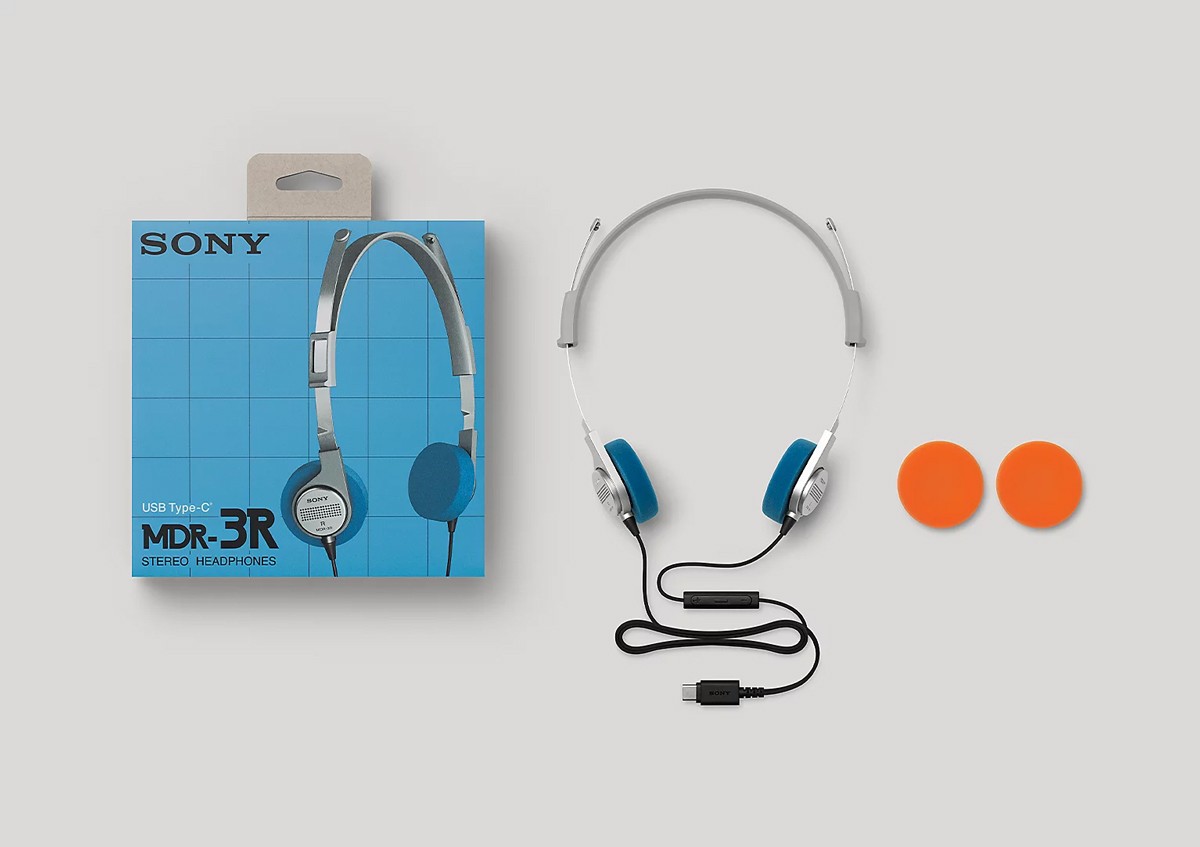
No battery. No pairing. No app. NOTHING TO GO WRONG.
Sony isn’t selling 1979. Sony is selling freedom from everything that came after. That’s the trick with retro. It has to remove something, not just remind you.
Retro? Shamelessly. Smart? Very.
THINGS NOT TOO WEIRD, BUT STILL WORTH READING
- Six humanoid robots ran a corner shop in Shanghai for 24 hours. 1,730 jobs. Two got marked down. One walked out and never came back.
- Ninety robot teams climbed 3,100 stone steps up Mount Tai carrying eggs, watermelons and flasks of coffee.
- Agility Robotics listed on Nasdaq and says it’s the first pure humanoid robot company on a US exchange. 100,000 crates moved at one warehouse.
- Telia and Ericsson signed a 6G agreement in Stockholm, then tracked drones with slightly modified mobile equipment.
- A toothbrush whose bristles make their own electricity when they bend. Beat a normal brush over three months. No charger. No app.
Five ways to supercharge your Monday
- Pick the smallest physical thing your brand hands a customer. Ask an AI to redesign it. See where it breaks.
- Name one thing you fixed inside your company that nobody outside has seen. Write the product page.
- List the skills you built for your hardest job. Ask which other industry needs them.
- Find one approval that needs a meeting. Make it a yes or a no.
- Add up the revenue that comes from recommending things. Say the number out loud.
This week the future turned up as things you could drop on your foot. Next week it probably wants a pension.
Subscribe if you haven’t. Forward it if you liked it.
With love
Johan
Johan Ronnestam is a Swedish futurist, entrepreneur and keynote speaker. He helps leaders and brands grow in an AI-shaped world. ronnestam.com

