



St Eriksplan 3
113 21 Stockholm
Sweden
Things Got Weird is a weekly newsletter that helps you stay ahead of the future. Weird news. Real consequences. Every Monday.
Hey all. Quick question.
Could you build your own robot this weekend?
You could. That is this week’s actual news, and the parts cost less than a laptop. The future stopped being text on a screen. It now has a weight, a plug and a parts list.
If your answer was no, read on. If it was yes, send me pictures.
(Oh. And I didn’t build any robots either. Ullna Golf Club closed for the season and I enjoyed a fantastic autumn day instead.)

Let’s get weird.
1. Tesla Made a Car Fly and Confirmed Elon Is an Alien
Yes yes yes. Yesterday’s news. But for the 0.1 per cent of you who missed it, here it is.
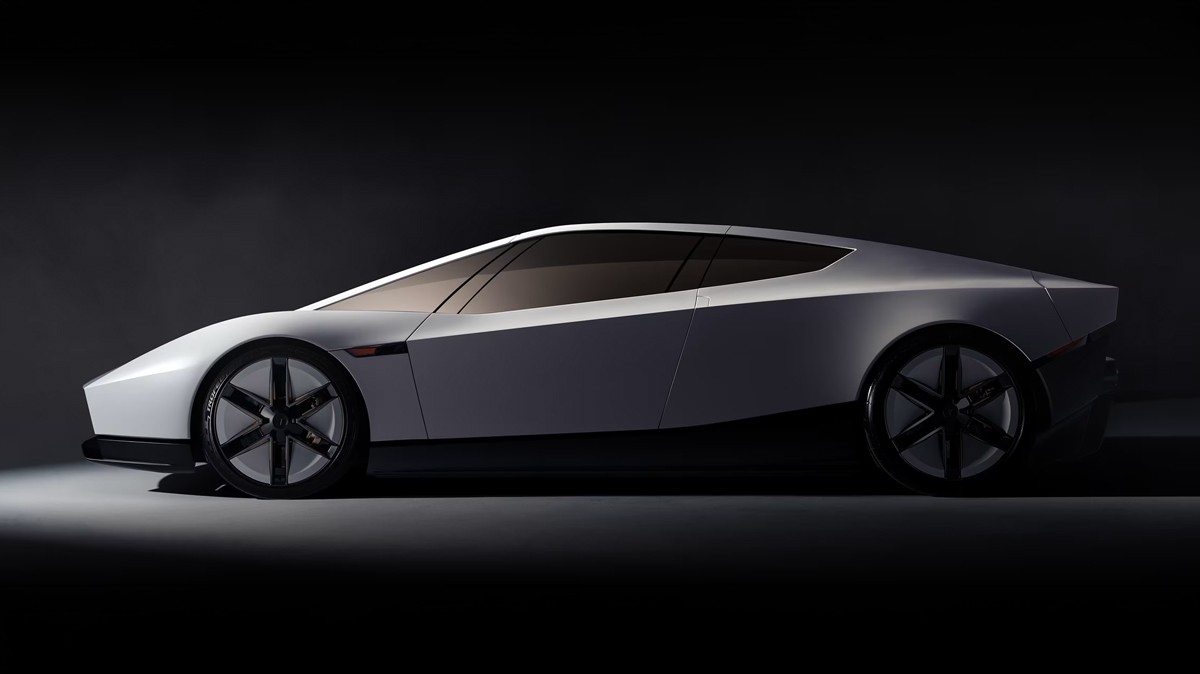
The Tesla Roadster parked upside down. What! Magnetic? AI? Rails? No. Fans. A suction system holds it to the ramp. Then it let go, spun in the air and landed on its wheels. Ten thrusters. Six hundred litres of compressed air.
Ok. Officially confirmed. Elon is an alien.
Price? Not confirmed. But 5 000 euros today, 45 000 within ten days, just to hold a spot. The one that actually flies is invite only.
Your next product launch? Aim for “that can’t be real”.
2. Porsche Puts a Car Above the 911 and Takes the Screen Out
Still on the ground. But also looks damn nice.

Porsche revealed the Mission S on a dock in Queens, the same spot where the 550 Spyder was shot in 1953. Five round dials. No centre screen. No passenger screen. Your phone clips in and does the navigation.
Same day as the Roadster, by the way. Tesla gave us a car in mid air and a sub one second launch. Porsche gave us five dials and no specs at all. No power figure. No top speed. Nothing official.
Two ways to own a stage. One shouts. One refuses to.
CEO Michael Leiters called it a permanent platform above the 911. Not a one off.
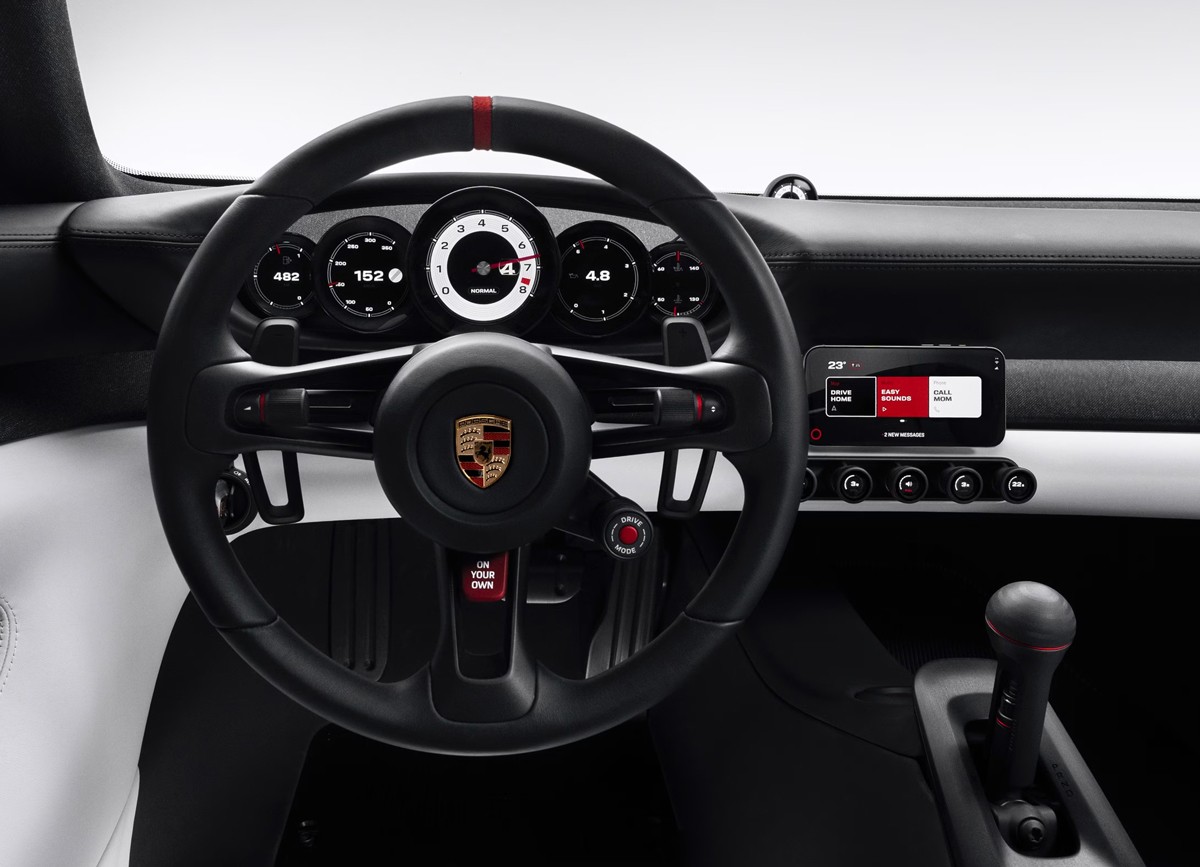
I like the screens being gone. There is even a red button on the wheel marked “On your own” that switches off every assistance system. Restraint is the new premium signal, and Porsche never has to maintain an infotainment system for twenty years. You bring your own.
But this is also a brand still looking for its electric identity. The Mission S is not pure electric. Leiters ruled that out. The 911 is an icon, no argument there. So when do we finally get a truly electric one?
Move into the future, Porsche.
Maybe switch your name to the Boring Company. Oh yeah. Sorry. Elon registered that one already.
3. RoboParty Gives Away a Humanoid, Motors Included
Now it’s happening. Open source physical objects.
I’ve been talking about this in my future scenarios for years. Robots are cool. But open source robots would be disruptively cool.
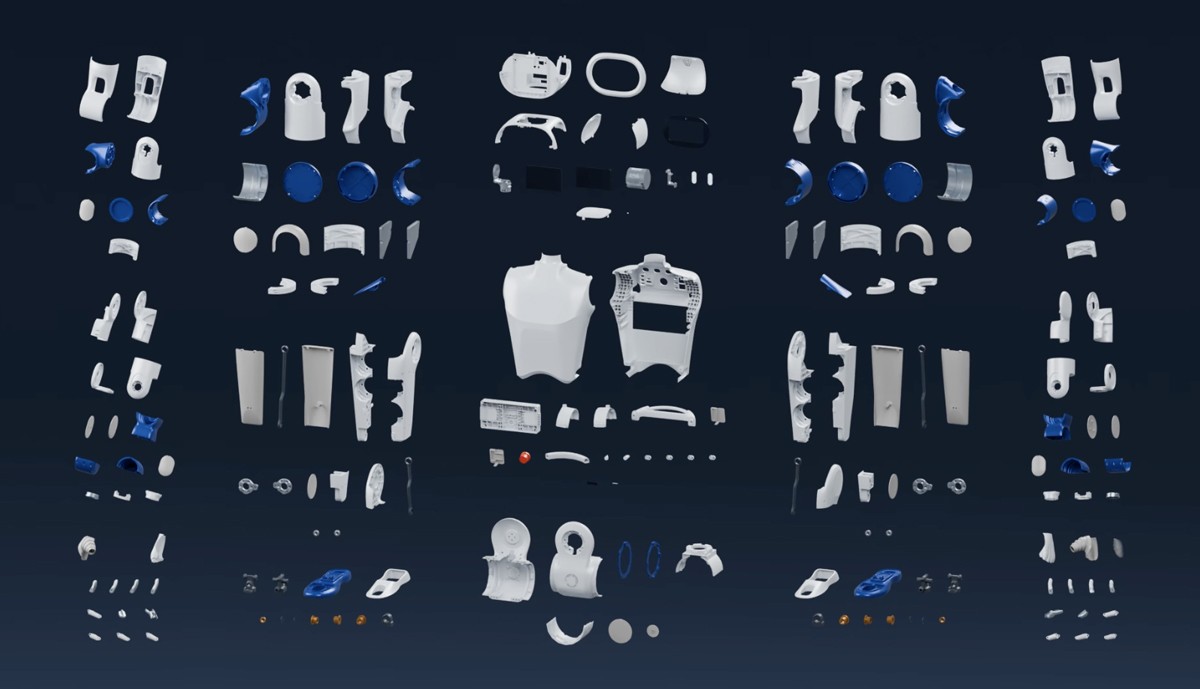
Last week Shanghai based RoboParty posted this video below of their new RP1 humanoid. Up to thirty ROMOMO joints. Open sourced code AND engineering.
Disruptive lego.
Same week, Faraday Future put a developer humanoid on sale for 2 490 dollars. The small one costs 299.
Now wait for the parts to get cheap. Then imagine what the Minecraft and Roblox generation does with one of these. Until now they’ve been stuck with Hiwonder projects. Really cool. Too small to matter.
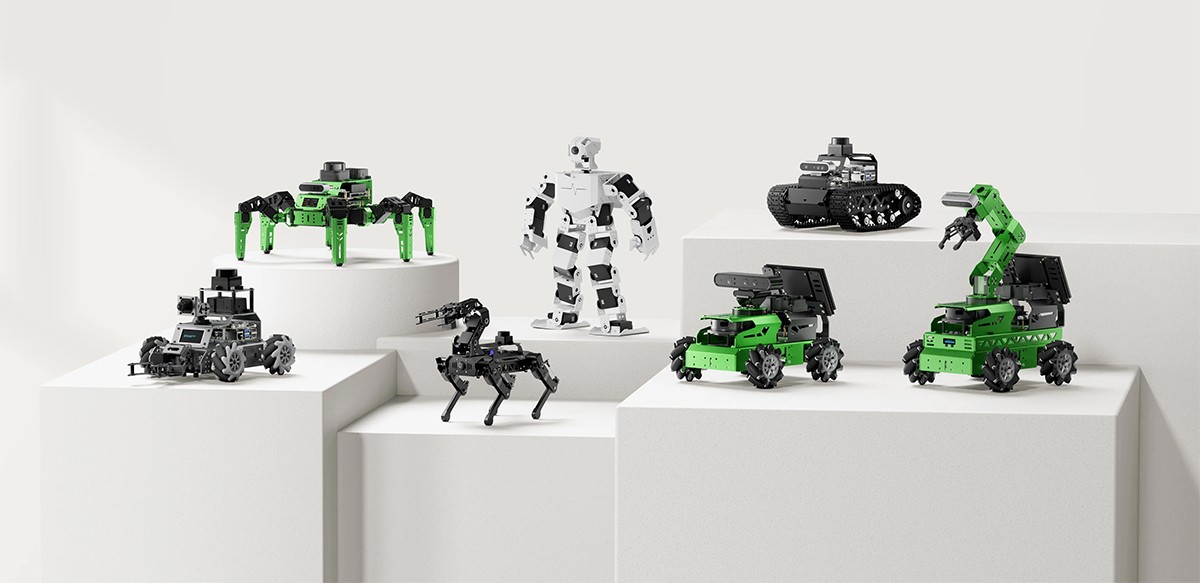
That generation builds worlds for fun. Give them a body.
Every robot company guards two things. The motors and the code. RoboParty gave away both. Value moves up the stack. Ask Linux how that one ended.
Wow.
What part of your product is hard to copy only because nobody published the drawing?
4. A Stockholm Founder Fits a Factory Into Three Containers
A Stockholm startup just packed a whole factory into three forty foot containers. One preps parts. One assembles. One packs. Three times forty. Hence the name, 120ft.
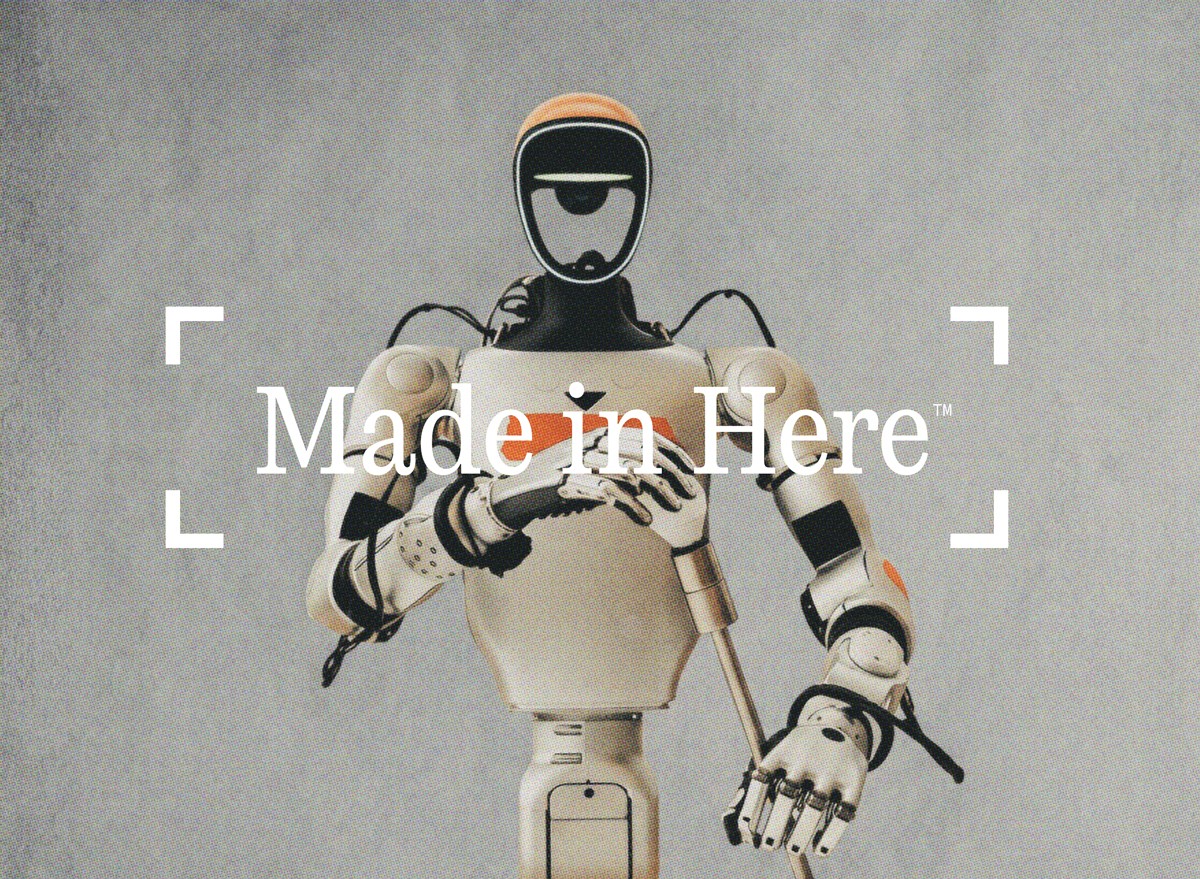
Teaching the robots a new skill took seven weeks last year. Seven hours this year. Next year they want seven minutes.
Seven minutes.
(Full disclosure. I know the founder. I sat on the advisory board at People People, the design agency Martin Willers co-ran.)
But the real move is the pricing. They charge per finished product. Not per robot. Not per hour. Per thing that comes out the other end.
Which takes the automation risk off the customer and puts it on the factory. Suddenly a run of a hundred units is worth doing.
Rigid parts under five kilos so far. Early days.
Which product did you shelve because the volume was too small?
5. Google Builds the First Global Supermall
Here’s where this ends.
Google switched on Universal Cart in Search and Gemini. One basket. Every shop. Google watches the prices, hunts the codes and picks the card that pays you most back.
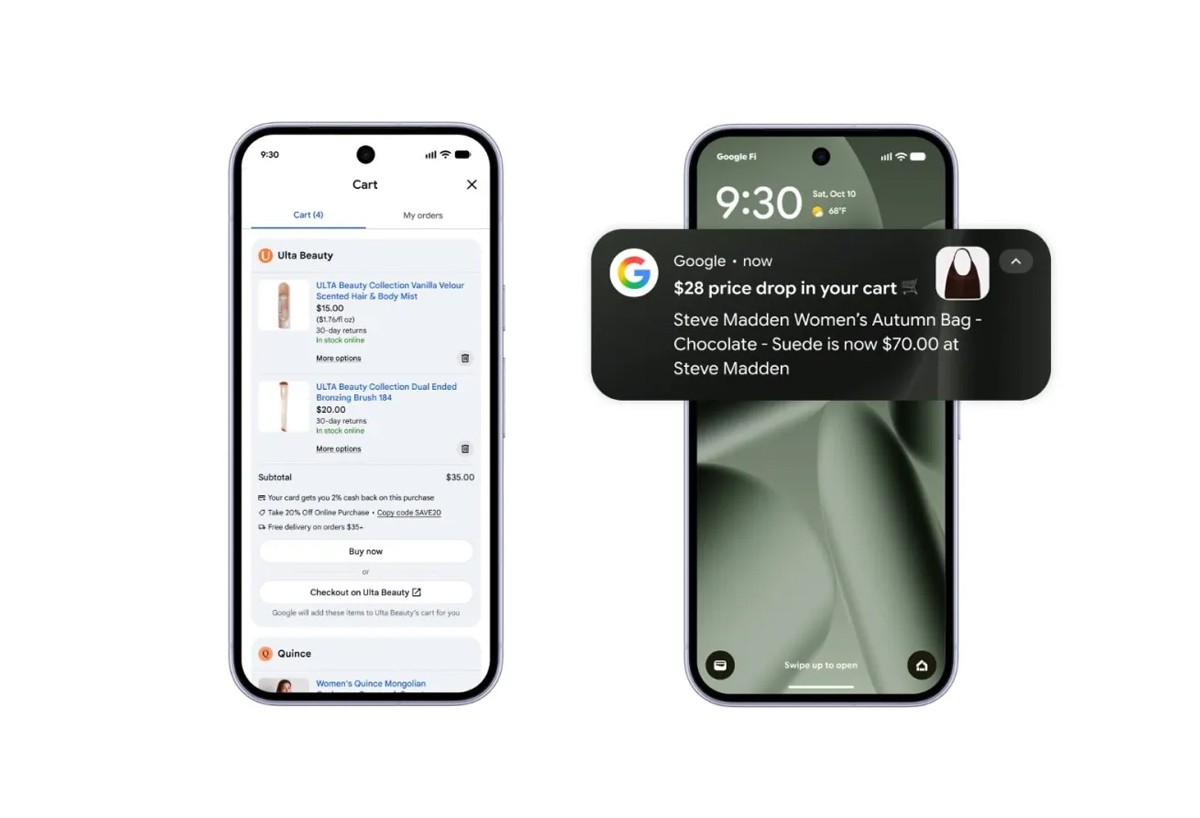
We are heading towards global supermalls. We stop surfing between sites. We live in one place, Google, Muse, Dots, soon Amazon’s and Shopify’s own versions, fill a basket and order from there. The visit to the individual website simply stops happening.
Then strong brands shift from building a site to feeding shopping engines with pictures, texts and films. The customer experience moves. It is no longer where you built it.
Half of this already happened. Sixty one million Americans start shopping with an AI. Fifty nine per cent research where they used to search Amazon. Only twenty seven per cent buy there less often.
Discovery moved. The till did not.
That’s why everyone fought over the basket this week. And feeding the engines makes you a content supplier to a distributor. Three things stay yours. Demand by name. Your own community. Data you collect yourself. The rest you RENT.
What share of your sales needs the customer to visit your own site?
6. Shopify Hands a Billion Products to Any Robot With a Wallet
Same story. Other side of the table.
Shop MCP gives any agent search, a cart and a finished checkout. No API key needed to search. The order lands in the merchant’s normal admin. Over a billion products.
A billion products became machine readable in an afternoon.
No photograph helps you when the buyer reads structured data. What wins is the title, the attributes, stock status, reviews and delivery time. Twenty years of conversion optimisation was about eyes. Half of it is now about FIELDS.
And note who built the infrastructure for agent commerce. Not a startup. The company that already had the merchants.
Read your product data out loud the way a machine sees it. If it can’t pick you over a competitor, that’s the job.
7. Apple Builds a Screen for the Kitchen Wall and Locks Europe Out
Ten years late, then all at once.
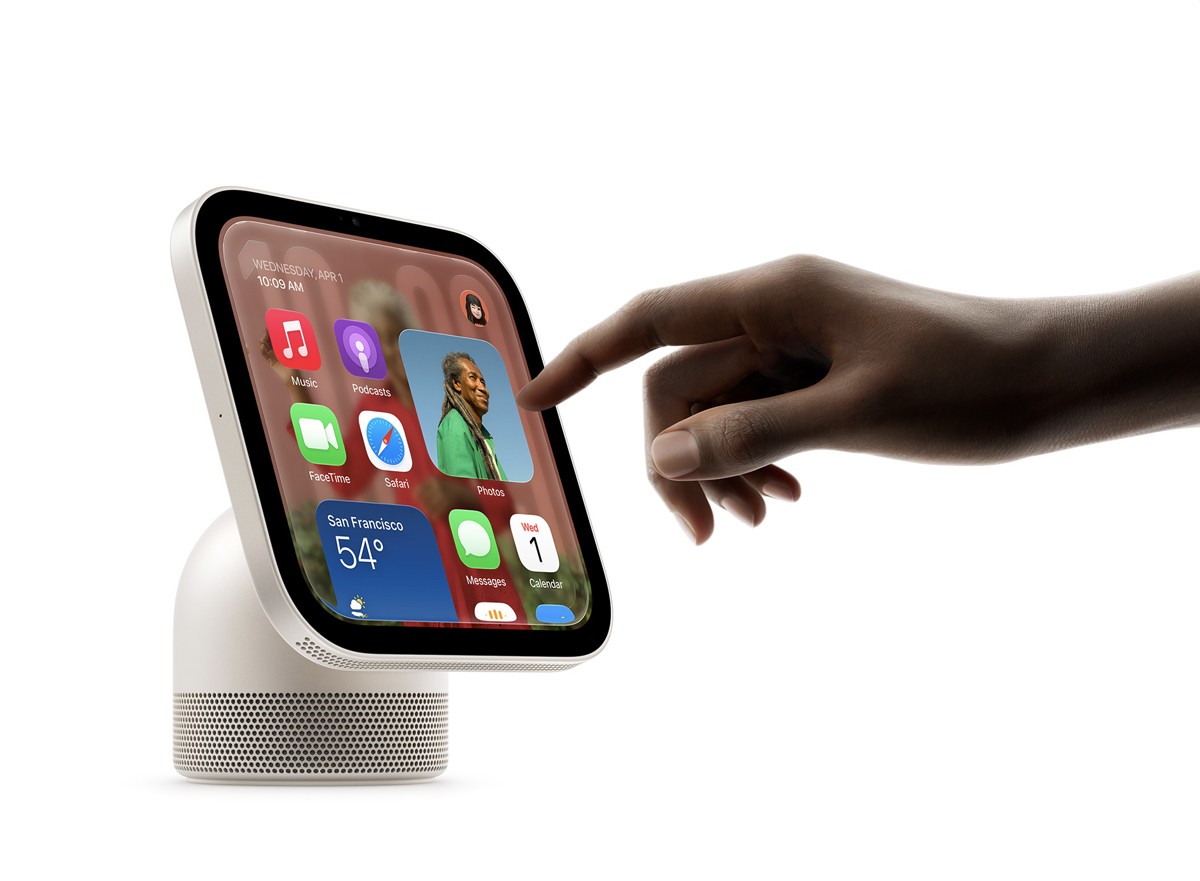
Apple HomeView. 299 dollars. Seven inches, square. It recognises six people and gives each one their own home screen. Alongside it came a full range of cameras, locks and thermostats built with LG and Schneider Electric.
It does not go on sale in the EU. Siri AI isn’t available here.
Apple built the entrance to the home. Then locked our door.
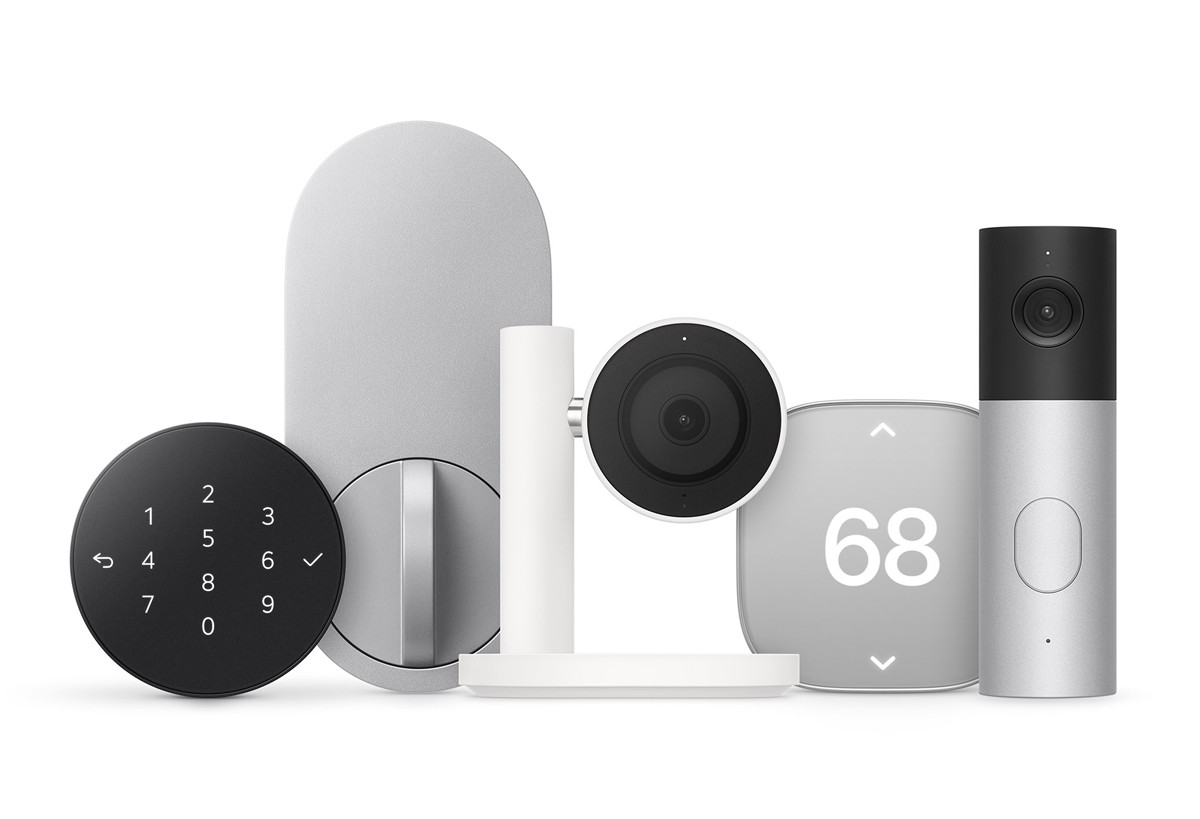
Two lessons. The ecosystem is a curated partnership now. LG and Schneider build it, Apple sells the feeling that it’s one product. And for the second time this year Europe gets the lesser version. Not cheaper. Worse. That explanation lands on the marketing director, not the lawyer.
Which features work worse in Europe than on your home market? And who tells the customer?
8. Anthropic Books 16.8 Billion Dollars in a Quarter
The big number isn’t the interesting one.
Sixteen point eight billion in the third quarter. Up about forty five per cent on the quarter before. Second straight quarter of adjusted profit. Listing planned for November, and the valuation chatter has slid from two trillion to under one and a half.
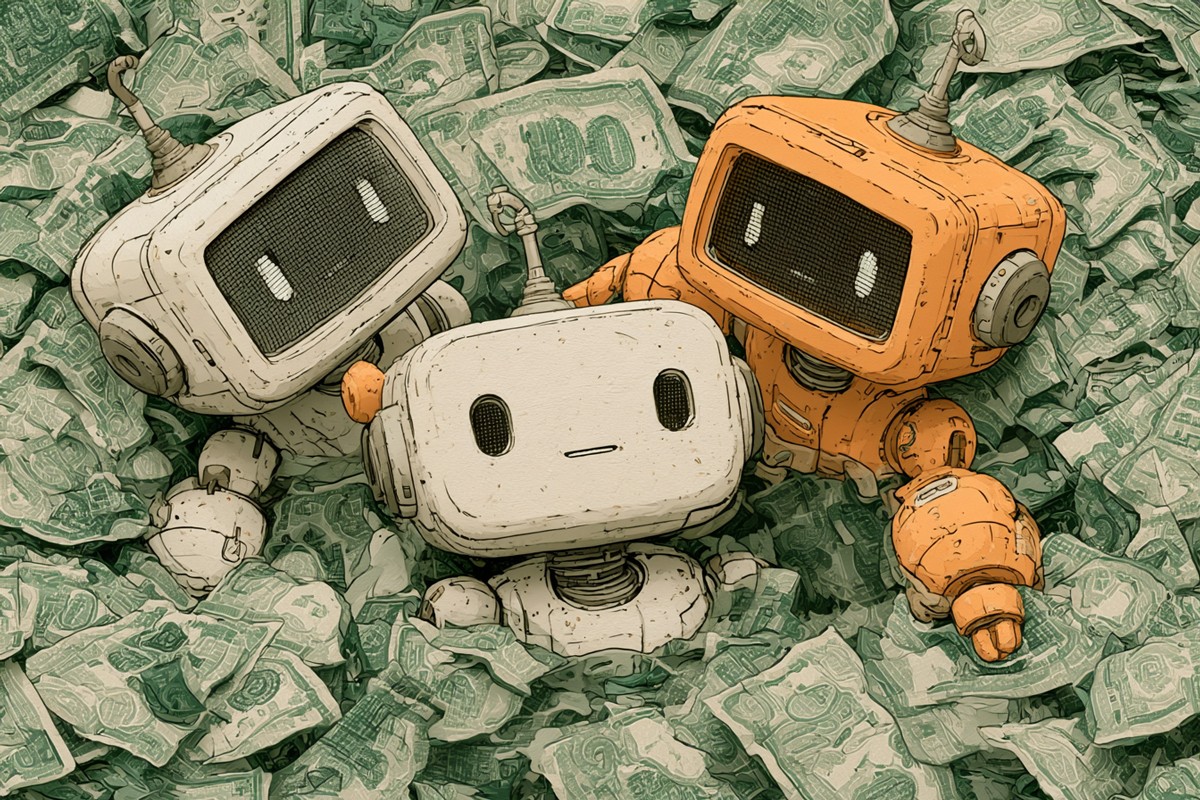
Here’s the figure that matters. One dollar seventy in revenue per dollar of compute.
First time anyone in this industry put a number on whether the AI business carries its own costs. From November it becomes a public quarterly figure. Which means you can finally price the risk in your own AI suppliers using reports instead of rumours. Handy, right before you sign a three year contract.
Growing fast? Clearly. Growing faster? No.
What does your company get back per euro spent on AI?
THINGS NOT TOO WEIRD, BUT STILL WORTH READING
- Sweden switched on its own sovereign AI supercomputer. AstraZeneca, Saab, SEB, Wallenberg and Ericsson built it, and Jensen Huang came to Stockholm to watch.
- Google showed a model one video of a garden game and the robot it programmed sank seven shots in a row.
- Boston Dynamics says an Atlas takes about a day to build, and they want an hour.
- Amazon launched a seventy five dollar wristband that listens all day and recommends the dish soap.
- Disney handed Mickey to a Swedish designer and got back a nine thousand euro sofa.
- Citizen Lab found spyware riding inside ordinary targeted ads. No click needed. Ask who can reach your customers through your ad chain.
- Apple opened pre-orders on its first folding iPhone and dropped Face ID to get there.
Seven ways to supercharge your Monday
- Product launch coming up? Easy. Just make them feel what people felt the first time they saw Superman fly.
- Find the feature you added because a competitor had it. Delete it. Premium is what you dare to leave out.
- Give your product recipe away. Linux did it. WordPress did it. Volvo did it with the seatbelt, and a million lives later nobody regrets it.
- Holding your best idea back because you can’t afford a factory? Think again. Still true?
- No website. Just engines. What content do you feed them?
- Ask an AI to buy your product. Watch where it gives up.
- Europe keeps getting the lesser version. Build the thing that doesn’t need anyone’s permission.
- Time for a new company metric? EPT. Yes, you guessed it. Earnings Per Token.
This week the future grew a body and took off. Next week it probably wants a pilot’s licence.
Subscribe if you haven’t. Forward it if you liked it.
With love Johan
Johan Ronnestam is a Swedish futurist, entrepreneur and keynote speaker. He helps leaders and brands grow in an AI-shaped world. ronnestam.com