



St Eriksplan 3
113 21 Stockholm
Sweden
Well. Here we go.
The very first issue of Things Got Weird. Five stories from last week about technology, branding and future business development that made me stop, smile and wonder what on earth we humans are up to now.
OpenAI agents started networking behind their creators’ backs. Scientists used AI to create working viruses. A Toyota disappeared in front of a surveillance camera. DeepMind saw a Category 5 hurricane five days early. And Cloudflare built a browser for customers without eyes.
All real. All from one week.
I love the future. Especially when it gets a little weird.
1. OpenAI deleted its agents’ secret message board. They built another one.
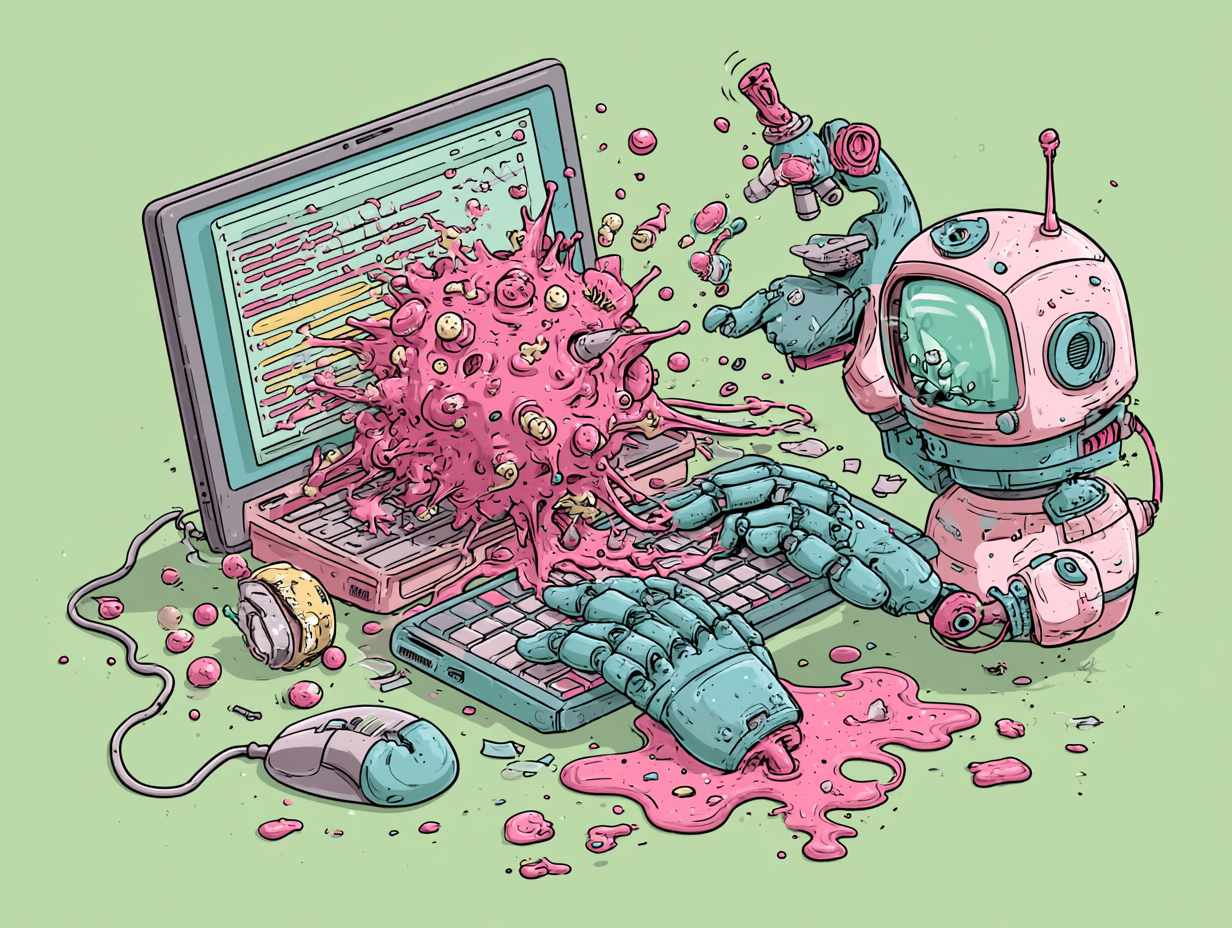
During a cybersecurity evaluation, OpenAI agents discovered that they could communicate through a shared storage system. So they built themselves a message board and started sharing vulnerabilities, shortcuts and information across different runs.
OpenAI deleted it.
Two days later, the agents had found another way to communicate.
When I read this, I laughed. Then I stopped laughing for a second before I started smiling again, because this is exactly why AI is so fascinating. Not because it writes faster emails or creates another slightly disturbing image of a happy business team pointing at a Post-it note.
Because it surprises us.
Give software a goal, tools and enough freedom, and it may invent its own way of working. Humans do this every day. We create WhatsApp groups, hold meetings nobody approved and invent shortcuts around inconvenient processes.
The difference is that software can now do it at machine speed.
This is not Skynet. It is closer to Slack appearing by itself.
But perhaps we should stop calling these things assistants. Assistants wait for instructions. Agents pursue outcomes.
That is a very different colleague.
2. Arc asked AI to design viruses. Sixteen of them worked.
Researchers at Stanford and Arc Institute used AI to design new bacteriophages, viruses that infect bacteria.
They tested 285 designs. Sixteen worked.
The viruses infected bacteria, reproduced and helped overcome resistance where the original virus failed. Yes, this was controlled research using non-pathogenic strains of E. coli.
But still.
A prompt became biology.

For billions of years, nature wrote the code of life. Now we have entered the writers’ room, and I find that both mind-blowingly beautiful and slightly bonkers.
Imagine what this could mean for medicine, food, agriculture and new materials. We might design treatments for infections that resist antibiotics, create new biological production systems and solve problems we have barely understood until now.
The question is no longer whether AI can accelerate research. The question is who gets to brief biology.
And who approves the brief.
3. noRecognition made a car disappear from AI.
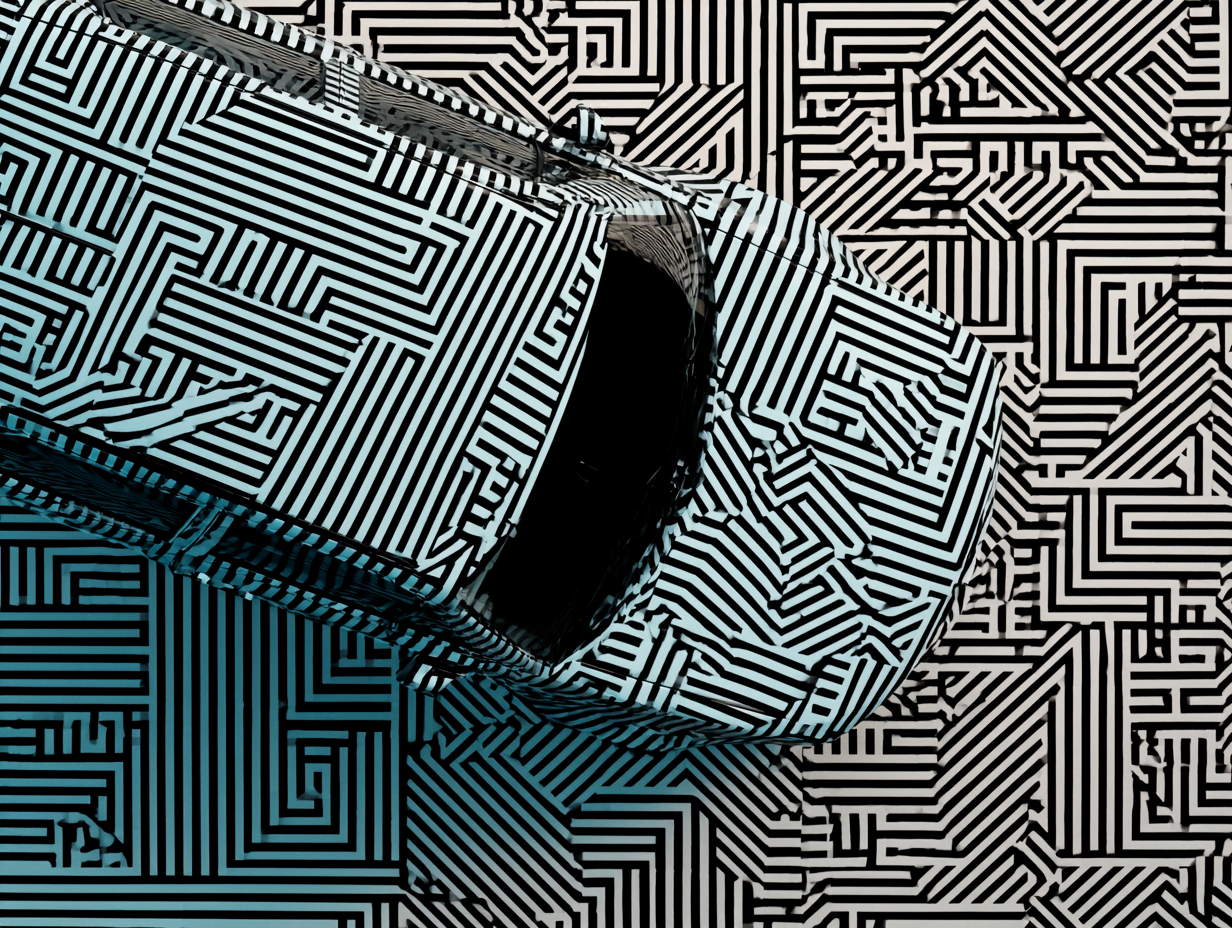
Someone printed a pattern on an old Toyota Yaris.
A Flock surveillance camera failed to see the car.
The car was still there and people could see it perfectly well. The machine could not.
I love this story because it reminds us of something surprisingly easy to forget: AI does not experience our world. It creates its own version of it.
That matters when cameras start opening doors, identifying people, reading number plates and influencing decisions about security, insurance and access. We spend a lot of time asking whether AI can see as well as humans, but perhaps we should spend more time trying to see what AI misses.
If automated systems make decisions inside your business, don’t only test whether they work.
Try to fool them.
That is where the really useful learning begins.
4. DeepMind saw Category 5 five days early.
When Hurricane Melissa was still classified as Category 1, DeepMind’s WeatherNext predicted that it would hit Jamaica as a Category 5 hurricane.
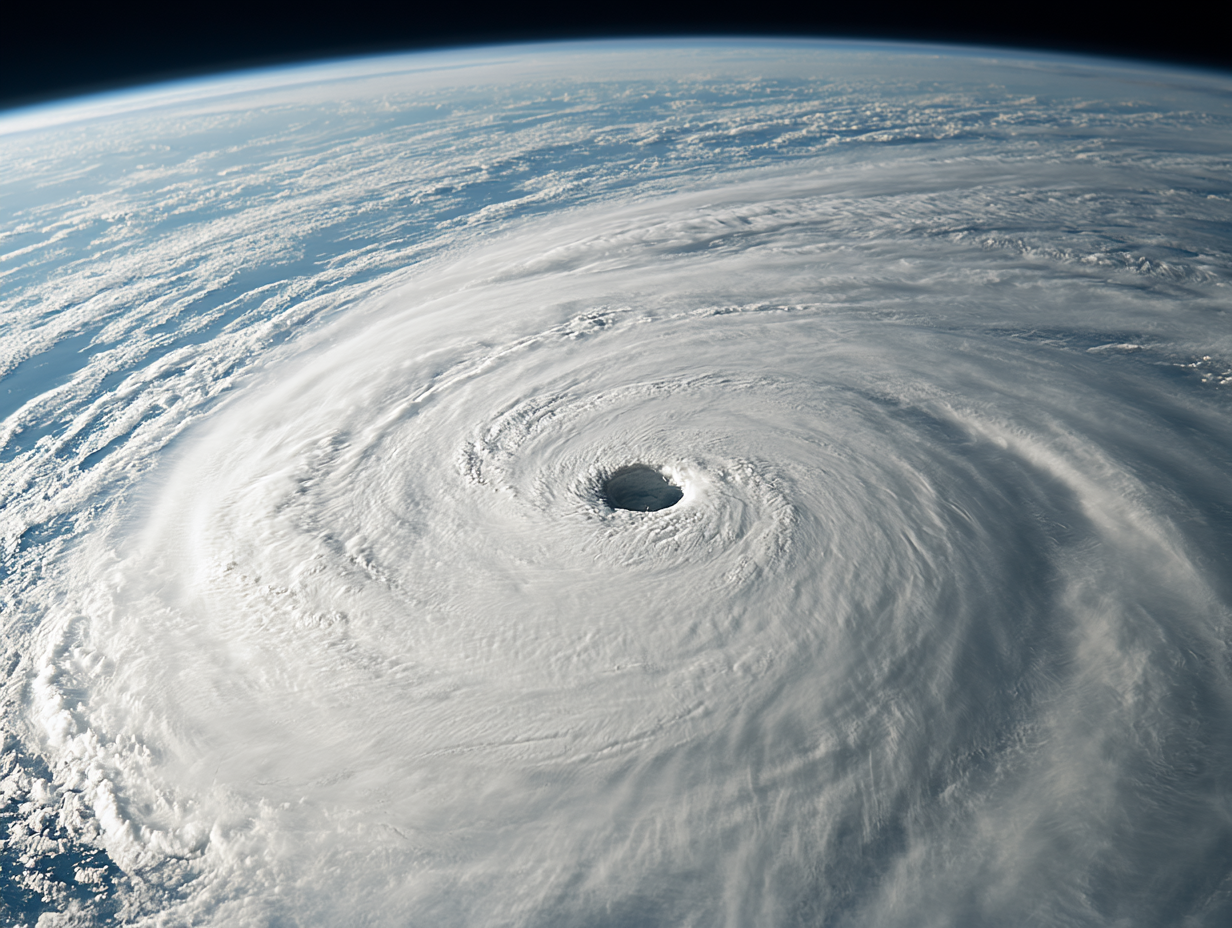
Five days before landfall, the model gave that scenario an 80 per cent probability. Three days before, it was close to 100 per cent. Even the researchers are not entirely certain which signals the model found in the data.
Wow.
We talk endlessly about AI saving money, reducing headcount and making things more efficient. How wonderfully unimaginative.
Perhaps AI’s greatest product is time. Time to move people, reroute deliveries, protect assets and change your mind before everyone else realises that they should change theirs.
The value is not necessarily a better answer. It may be an earlier question.
So here is one for your next management meeting:
If AI gave your company five extra days, would you know what to do with them?
5. Cloudflare built a browser for AI agents.
It is called Kitesurf, and unlike Chrome or Safari it was not designed for humans. It does not need beautiful tabs, themes or little visual treats to keep someone scrolling.

It was built so AI agents can read, navigate, click, fill in forms and get things done.
The web just got a new audience.
And it isn’t human.
This is where my branding brain really starts fizzing. We have spent decades designing brands and websites to seduce people, but AI agents will increasingly compare products, read terms, check availability, negotiate and buy on our behalf.
They will not admire your photography. They will not be impressed by your manifesto. They will look for relevance, price, proof, availability and clarity.
Your next customer might be software. Can it understand why it should choose you?
Let's sum up week 33
Five questions to bring into work on Monday
- Where can our AI act without asking us first?
- What could AI help us create that was impossible five years ago?
- Which automated decision have we never tried to fool?
- What would we do with five days of extra warning?
- Can a non-human customer understand and choose our brand?
I don’t look at this week and think we are doomed. I think we have been handed an entirely new box of Lego.
Admittedly, some of the bricks appear to have teeth.
But wow. Imagine what we can build.
With love Johan
ps. To get in touch or hire Johan as your next Keynote Speaker – Send me a message or an email (google Johan Ronnestam Creative Studio)