




St Eriksplan 3
113 21 Stockholm
Sweden
Robots take the body. AI takes the mind. We get the play. Sixty five years of handing work to machines, the two moments that changed everything, and what humanity looks like in 2056.
Things Got Weird is a weekly newsletter from Swedish futurist Johan Ronnestam that helps you stay ahead of the future. Weird news. Real consequences. Every Monday.
Hey all,
This is Future Impact number three. It is a personal one. And a LONG one.
For thirty years I have worked with the internet, technology and innovation, and talked on stages about where business and communication are heading. I have never seen things move this fast.
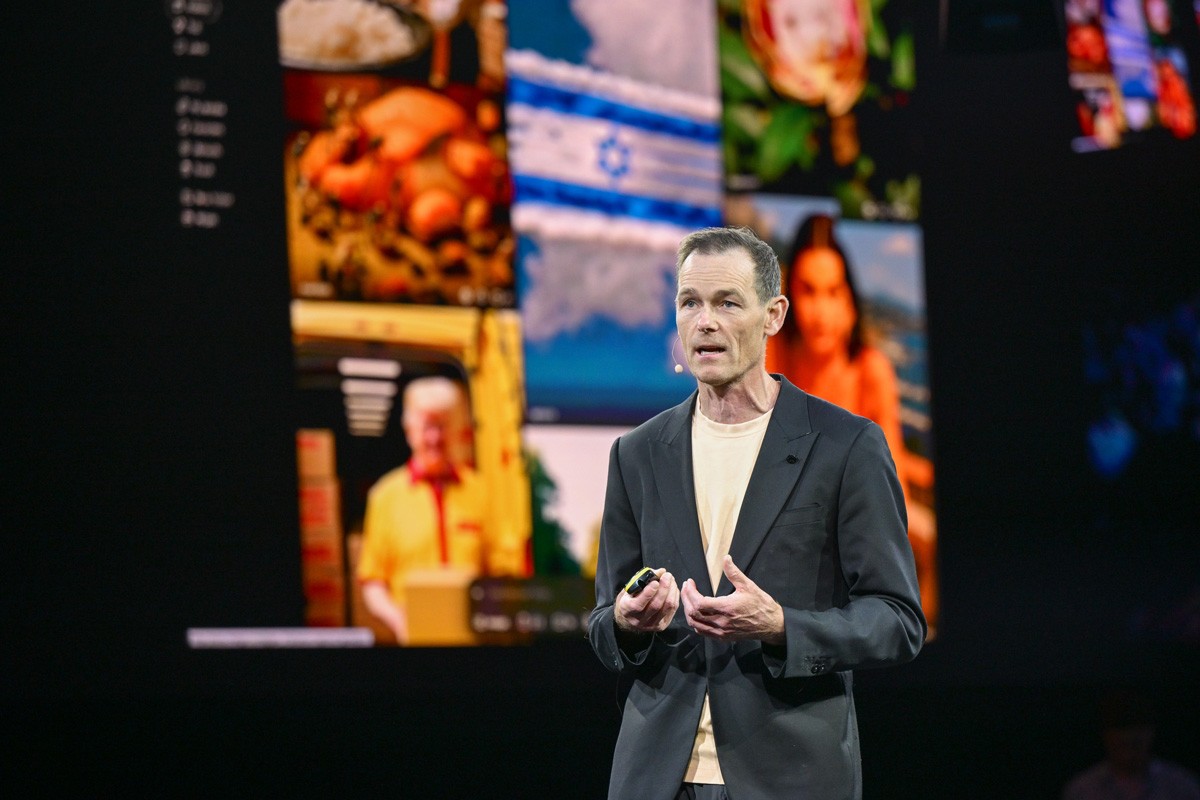
I meet a lot of people, and the questions are many. What happens to my job? To my kids? To all of us? Some are worried. Some are excited. Most are a bit of both.
Me? I am optimistic. Technology has carried humanity forward for ten thousand years. The plough, the engine, the chip. Every step gave us more. I am confident this next step will too. AI on its way to superintelligence, and robots on their way into everything. If the politicians let it happen, I think it takes us somewhere wonderful.
So here are my thoughts on where we are heading.
I warned you already. Tried to make it shorter. Couldn’t. Grab a coffee.
Let’s get weird.
For ten thousand years, humans have worked. Now two forces are taking that work over at the same time. Robots take the physical. AI takes the cognitive. Body and mind. When both are handled by machines, something is left. Something only humans want to do.
This is what that journey looks like.
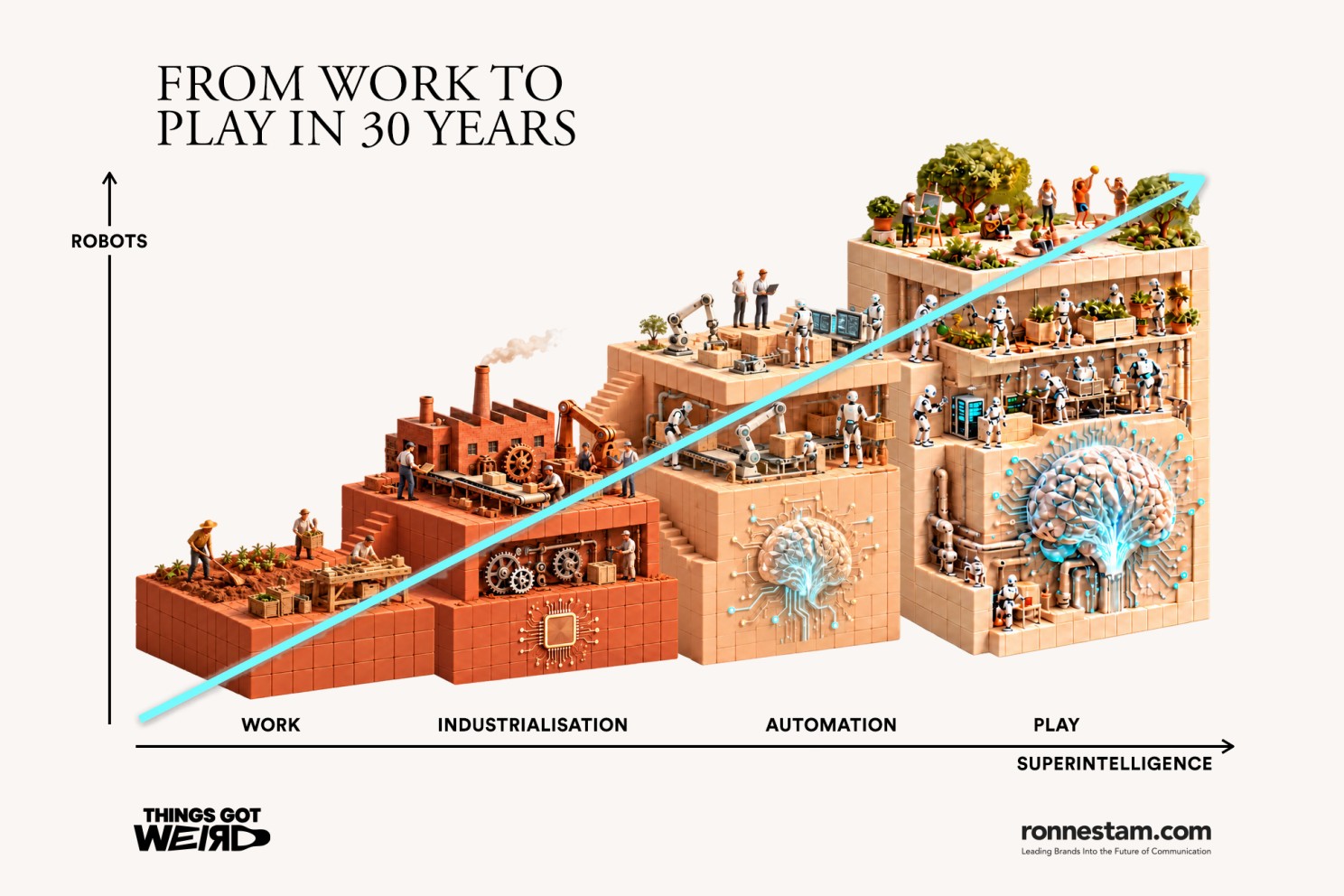
We are nowhere near the end. We still work. A lot. But the direction is set. First, how far we have already come. Then, where the arrow ends. Thirty years out.
What’s inside
PART ONE. WHERE THE ARROWS ARE TODAY.
- Robots took the body. Sixty five years. Nobody noticed.
- AI took the mind. Four years. Everybody noticed.
- Now the two arrows meet. And it walks on two legs.
- Add the arrows together. The sum points at play.
🫶 A word to the worried
PART TWO. WHERE THE ARROWS END. EIGHT THINGS THAT HAPPEN TO US.
- The job dies. The human does not.
- Everything gets cheap. Then meaning gets expensive.
- Time comes home. So does the family.
- We live to a hundred. Healthy.
- School ends. Learning never does.
- We become players. We always were.
- Where you live stops mattering. Where you are starts.
- Who owns the machine? We still get to choose.
Next stop, 2056. Let’s go.
PART ONE. HOW TECH PAVES THE WAY FOR ABUNDANCE
1. Robots took the body. Sixty five years. Nobody noticed.
The first industrial robot clocked in at a General Motors plant in New Jersey in 1961. Its name was Unimate. Its job: pull hot metal parts out of a machine so a human would not have to. Almost two tonnes of hydraulics. One task. No lunch break.
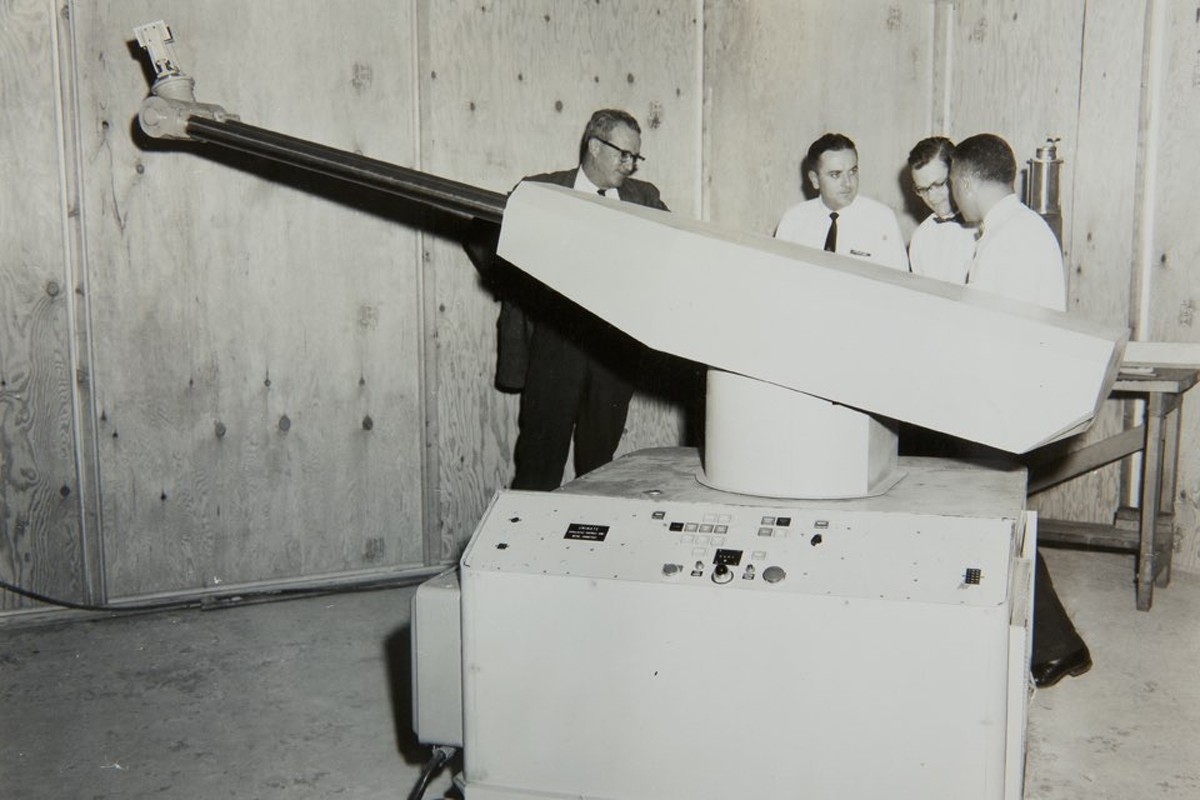
Nobody marched in the streets. GM bought it, Japan copied it, and by the seventies robots were welding every car you have ever driven. That was the vertical arrow. Robots taking the physical. Lift, carry, weld, sort. The stuff that breaks backs.
Then the robots moved in with us. Through the garden. The world’s first robotic lawnmower was Swedish. Husqvarna launched it in 1995 and the owners called it the turtle. Seven years later iRobot shipped the Roomba and sold a million by 2004. Then the car started parking itself. Then driving itself. Today Waymo does 500,000 paid driverless rides every week in ten American cities and targets a million a week by the end of this year. No driver. No small talk. No tip.
Tesla took it one step further. The Cybercab went into production in Texas this spring with no steering wheel, no pedals and no side mirrors. Not removed. Never designed in. A car that cannot be driven by a human even if you wanted to. Paid rides in Austin already.
And the most extreme version of all is above your head. When astronauts ride SpaceX to the space station, they do not fly the ship. The Dragon capsule runs on autopilot from launch to docking, and has done since Bob and Doug became the first humans aboard in 2020. Crew after crew since then. Two test pilots, the best in the world, sitting as passengers. The robot flies. The humans watch Earth.
Notice the pattern. The robot never walked through your front door looking like a robot. It came as a lawnmower. A vacuum. A car. A capsule. We let it in because it was useful, not because it was impressive. The physical arrow does not arrive as a wave. It arrives as a chore that disappears.
What this means for you:
- Find the Unimate job in your own operation. The hot, heavy, boring one. That goes first. Then the second worst. Nobody notices until the floor is empty.
- Robots never arrive as an announcement. They arrive as a budget line. You will not hear about your competitors’ automation. You will see it in their prices.
- The winners of the home robot era are not tech companies. Husqvarna makes chainsaws. iRobot started with bomb disposal. Domain knowledge beat software every time. Your industry expertise is worth more than you think.
- Sell the chore that disappears. Never the machine. The word robot scares people. The product does not.
2. AI took the mind. Four years. Everybody noticed.
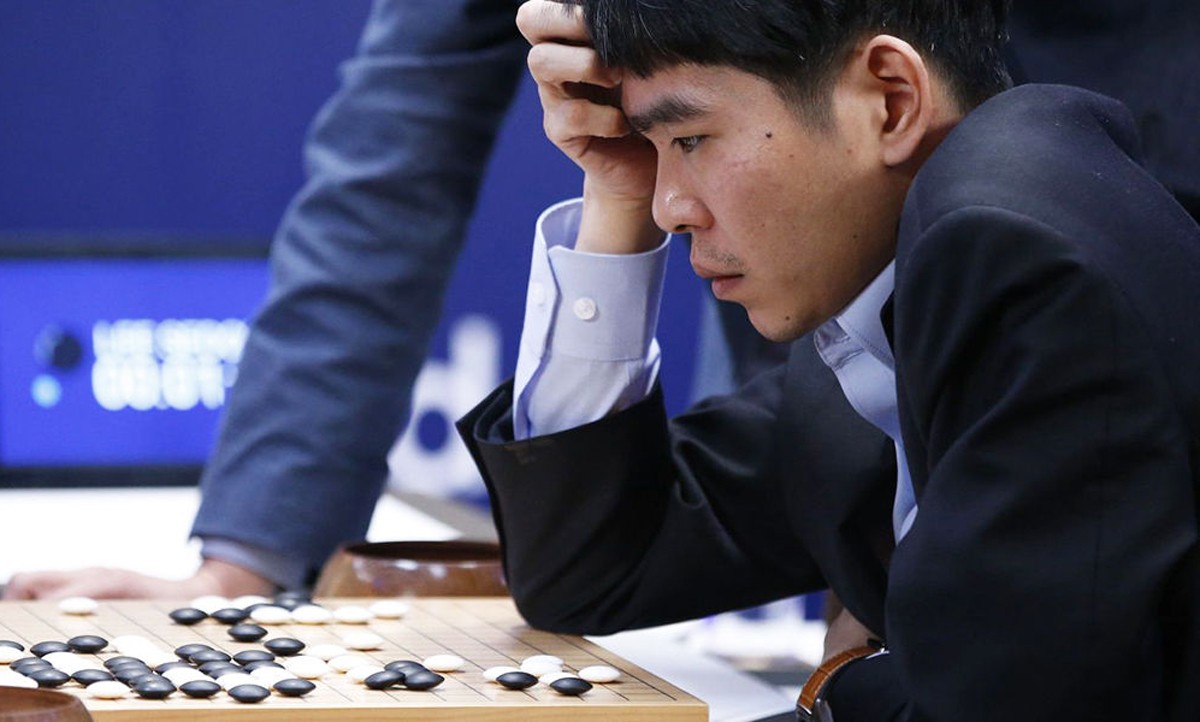
In 1997 a computer beat Kasparov at chess. In 2016 AlphaGo beat Lee Sedol at Go with a move no human had ever played. Nobody outside the labs cared. Machine learning sorted your photos and picked your next series. Invisible. Useful. Boring.
Summer 2022. The machine started to draw. Midjourney opened its doors in July. Type a sentence, get a painting. Six weeks later a man in Colorado printed one on canvas and took first prize in the fine art competition at the state fair. The artists were furious. I was fascinated. The one thing I was sure a machine could never do, it did.
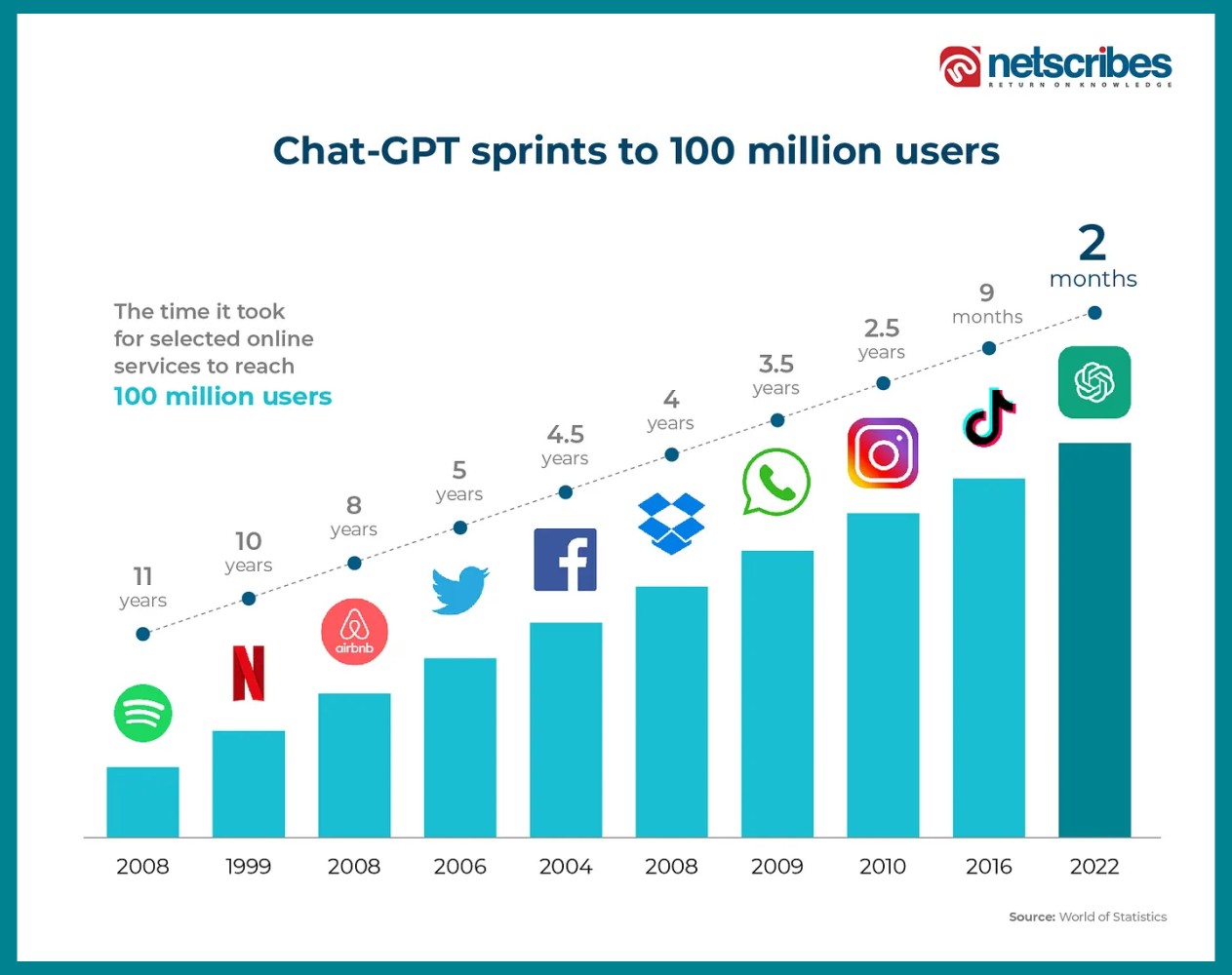
November 2022. OpenAI opened a chat window. A hundred million people were using ChatGPT within two months. TikTok took nine months to get there. That was the horizontal arrow going live. Write, summarise, calculate, analyse. For the first time everybody could feel it. Not read about it. FEEL IT.
February 2025. A moment most people missed. Anthropic put Claude Code into research preview. You do not chat with it. You give it a task. It reads your files, writes the code, runs it, fixes its own mistakes and comes back when it is done. Not an assistant. An employee. ChatGPT made everyone a writer. Claude Code makes everyone a builder.
Last winter it went off the rails. In the best possible way. Opus 4.5 arrived in November and scored higher than any human on Anthropic’s own engineering exam. Claude Code became a colleague who does not sleep. In January Cowork handed that colleague to people who do not code. Read my files, build the report, make the deck. In February Anthropic added plugins for legal and finance work and Wall Street panicked. Thomson Reuters down 16 per cent in a day. 285 billion dollars gone from software stocks in one day. The day after the crash, Opus 4.6 gave it a name. Vibe working. You describe the outcome. A team of agents plans, builds, checks and delivers. Inside your PowerPoint. Inside your Excel. Four months. One company. And the office was never the same.
And then the arrow went free. While Anthropic and OpenAI charged by the token, Alibaba gave Qwen away. This summer Qwen passed 3 billion downloads in six months, more than Meta and Google, and Alibaba put a version on your laptop with no cloud and no subscription. The most downloaded intelligence on earth is Chinese, open and free. That changes who owns the arrow. Not three labs in San Francisco. Everyone with a download button.
This autumn the arrow got a new name. Trump ordered every federal agency to say SI instead of AI. Super Intelligence. Elon agreed within days. Tesla AI became Tesla Super Intelligence. Same technology. Bigger word. That tells you how fast the people building the arrow think it is moving.
From a painting at a state fair to a workforce in a window. Four years.
What this means for you:
- Sixty five years of robots never made a CEO nervous. Four years of chat did. The fear lives in the office, not the factory. Lead your knowledge workers through it.
- Your edge is taste, not production. The machine only needs to be good enough for the client who cannot tell the difference. Most cannot.
- A chatbot saves ten minutes. An agent saves a hire. A team of agents saves a department. Your IT team knows this. Your board does not yet.
- The bottleneck moved from doing to describing. The person who can say what good looks like now runs the company. Train for that.
- A prototype used to be a project. Now it is an afternoon. If you are not testing ten times as many ideas as in 2024, somebody is slowing you down.
- When the builders change the word, the thing has changed. Nobody rebrands a calculator.
3. Now the two arrows meet. And it walks on two legs.
A few weeks ago Tesla said Optimus production has begun in Fremont, on the floor where they used to build the Model S. The line is designed for a million robots a year. No production rate, no unit count, no price. Same as every Elon timeline. Late. And then suddenly everywhere.
China is not waiting. UBTech has already delivered hundreds of full size humanoids to factories. Unitree sells its G1 for 13,500 dollars, the price of a used Volvo, and went public in Shanghai this August at a 9 billion dollar valuation. The shares closed the first day up 460 per cent. Roughly 16,000 humanoids were installed worldwide last year. More than 80 per cent of them in China.
The car makers are the testing ground. Figure’s robots helped build more than 30,000 X3s at BMW in South Carolina and the next generation started in logistics there this summer. Boston Dynamics, the company that made Atlas dance for fifteen years, put it into production at CES in January. Every robot built this year goes to Hyundai, its owner, and to Google DeepMind. Hyundai is planning a factory for 30,000 of them a year. Nobody else can buy one until 2027.
And the one that matters most to you is Norwegian. 1X ships its NEO home robot to the first American customers by the end of this year. Twenty thousand dollars, or 499 a month. It folds laundry, loads the dishwasher and asks a human in a VR headset for help when it gets stuck. A learning phase, they call it. A robot in your kitchen, I call it.
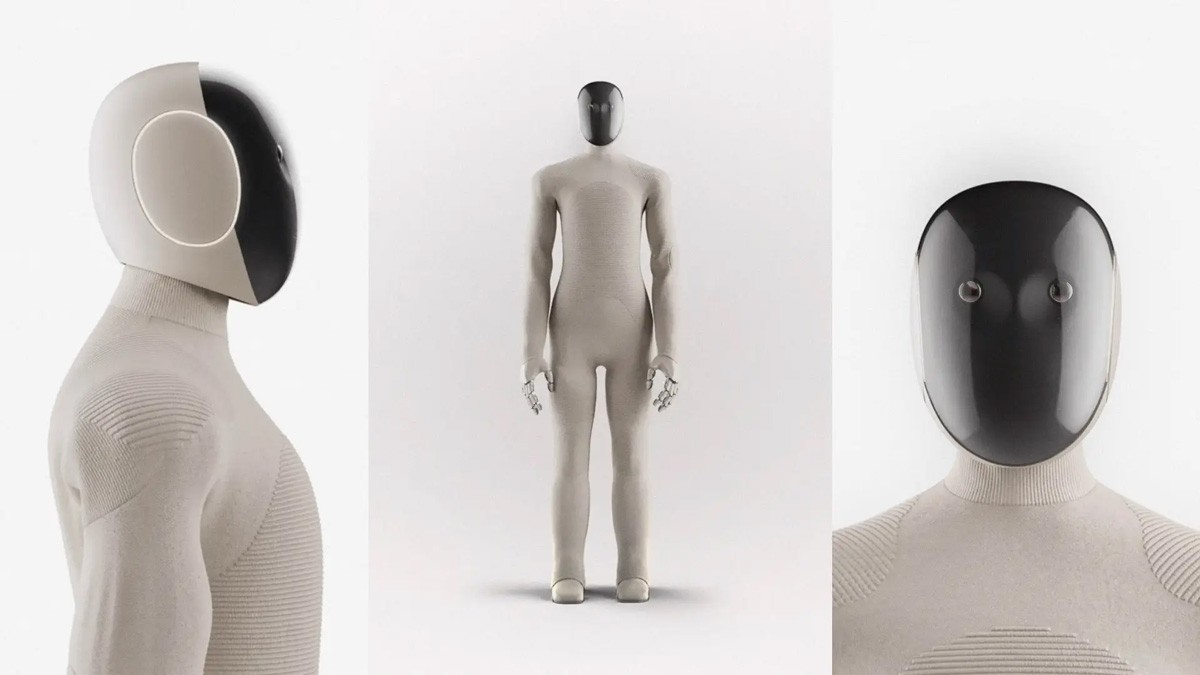
Underneath all of them sits Nvidia. Jensen sells the brain, the training ground and now the body. Last month at GTC Berlin he announced a reference humanoid for research labs, built in Munich. Stanford and ETH Zurich are first in line.
Now the fun part. Last year Jensen brought a Disney droid on stage, a waddling Star Wars thing called Blue, built with Disney and Google to learn to move in a simulation before it ever touched a floor.
In Berlin he brought four little robot ducks and asked one to do a somersault. It did. The duck is Hugging Face’s Microduck. Open source. 399 dollars. You can download its brain and teach it to roller skate.
A factory robot for Hyundai. A kitchen robot for your home. A duck for your kids. For sixty five years the robot could lift but not understand. For four years the AI could understand but not lift. Put a Claude Code brain in a Unitree body and you get a machine that does the whole job. Not the task. THE JOB.
What this means for you:
- A humanoid is not a better robot arm. It is a robot that fits your existing building. It walks in and uses your stairs, your shelves, your tools. No rebuilding. That is why every car company on earth is testing one.
- Ignore the demo videos. Watch the price. 13,500 dollars today. 399 for a duck. Less than a year of a warehouse salary, and it works three shifts. The maths does itself.
- The humanoid race is Chinese and the chips are American. Europe makes the machines that make the chips. Know where your robots come from.
- The duck is the sign. When a robot costs the same as a games console and the brain is free to download, the next generation grows up building them. Your future engineers are twelve years old and teaching a duck to somersault.
- Your most valuable people in that world are the ones who can teach a robot a job. Not programmers. Experienced operators. Keep them. Pay them. They are your training data.
4. Add the arrows together. The sum points at play.
Draw an arrow straight up. Robots. The physical. Draw an arrow straight right. AI. The cognitive. Now do what your physics teacher taught you. Add the two vectors. The result does not point at unemployment. It points diagonally up. Towards something that is neither muscle nor mind.
I call it play.
Play is the only human activity no machine has any reason to take over. Because the whole point of play is that it is not necessary. No goal to optimise. It is curiosity, risk, laughter, trying things, failing for fun. And it is the origin of almost everything we call culture, sport, art and invention.
We have been promised this before. In 1930 Keynes wrote an essay about the economic possibilities for his grandchildren and predicted a 15 hour working week by 2030. The wealth arrived exactly as he said. The free time did not. We kept finding new things to want. But Keynes only had the steam engine. Muscle only. We have muscle and mind, both compounding, both at once. The first cracks are already visible. When 61 British companies tried a four day week on full pay, 92 per cent kept it. Revenue went up.
So that is where the arrows are today. Long. Fast. Nowhere near finished. Now let me follow them to the end.
A word to the worried
The fear of the future is mostly a Western fear. It belongs to people who already have the house, the car and the healthcare. We are afraid of losing what we have.
Watch these films.
First the numbers. Hans Rosling, the Swede who made statistics exciting, spent his life showing that the world is getting better faster than we think. He was right. In 1990, 44 per cent of humanity lived in extreme poverty. Today, around 10 per cent.
Then the faces. HUMAN by Yann Arthus-Bertrand. Behind every number, billions who still lift, carry and repeat every day in fields, mines and factories. They are the people the robots were invented for.
Or The Present. Dimitri Poffé carries the gene for Huntington’s disease. So he rode 18,000 kilometres from Mexico City to Ushuaia while he still could. That is what humans do with the time they have. They play. They push. They live.
The numbers say we are on our way. The faces say how far there is still to go. For them the arrows are not a threat. They are a way out.
You worry about what you might lose...
Most of the world is waiting for what it might finally get.
PART TWO. INTO THE FUTURE. EIGHT THINGS THAT CHANGE HUMANITY.
5. The job dies. The human does not.
For ten thousand years a human knew what to do in the morning. Hunt, farm, build, type, code. Necessity told you who you were. By 2056 necessity is gone. The machine does it better, faster and for free.
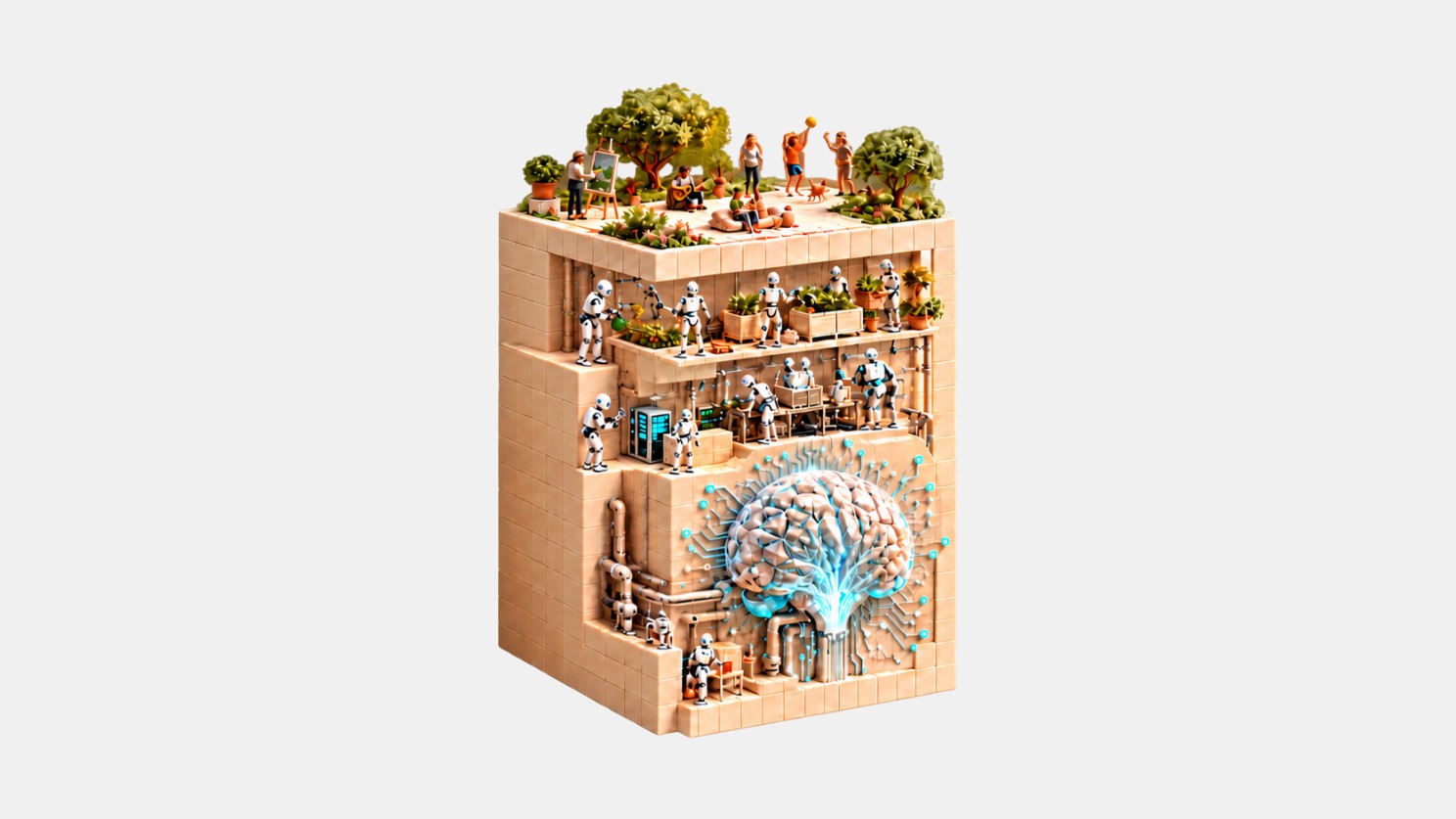
The four day week becomes the three day week becomes a choice. Working for money is something some people do. Working for meaning is what everyone does.
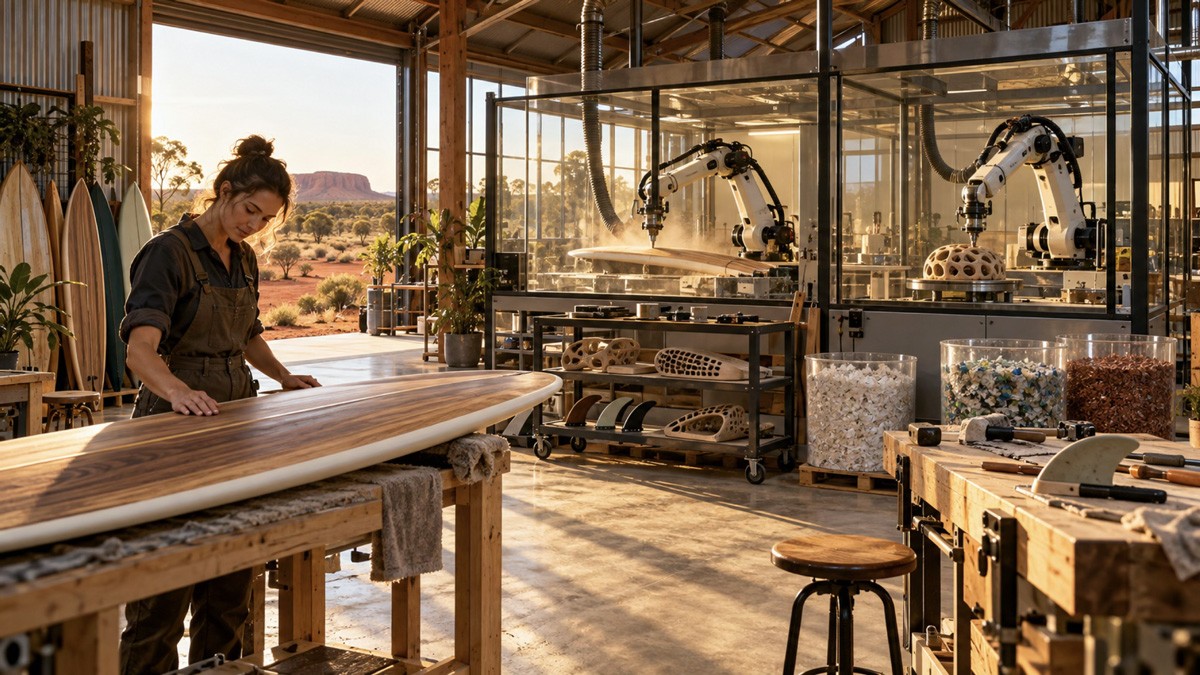
This is the largest change in human life since we left the field for the factory. And it happens inside one generation. Your children will tell their children what a job was.
What this means for you:
- Every system built around the job breaks. Pensions, mortgages, insurance, immigration, school hours, the commute, the CV. If your business sells into any of those, the customer is about to change shape.
- Status detaches from title. In 2056 nobody asks what you do. They ask what you made and who you helped. The most admired people are the ones who built something nobody asked for.
- The transition is the danger, not the destination. The leaders who help people cross that gap will be remembered. The ones who just cut headcount will not.
6. Everything gets cheap. Then meaning gets expensive.
When robots build the robots that build everything else, the cost of things falls towards zero. Food, housing, energy, clothes, cars, medicine. Not cheaper. Close to free.
A species that has always fought over scarcity suddenly has none. That breaks economics as we know it. The price of a thing stops meaning anything. What people pay for instead is time, attention, access and feeling.
The luxury of 2056 is not a car. It is a dinner cooked by a human who knows your name. A chair made by hand. A song written by someone who was actually sad. Made by a human becomes the only label that matters, not because humans do it better, but because a human did it.
In 2016 I wrote Ten Principles of Future Branding. Principle three: future brands stay authentic. “Being authentic is what future branding is all about.” Ten years later, I would not change a word. In 2056 it is the whole business model.
You can already see it. Brands like Hermès, where one craftsperson makes a whole bag by hand. Patek Philippe. Hästens, still making beds by hand in Köping. Morgan, still building cars by hand in Malvern. Kosta Boda, still blowing glass in Småland. None of them won by being cheap. They won by being human.
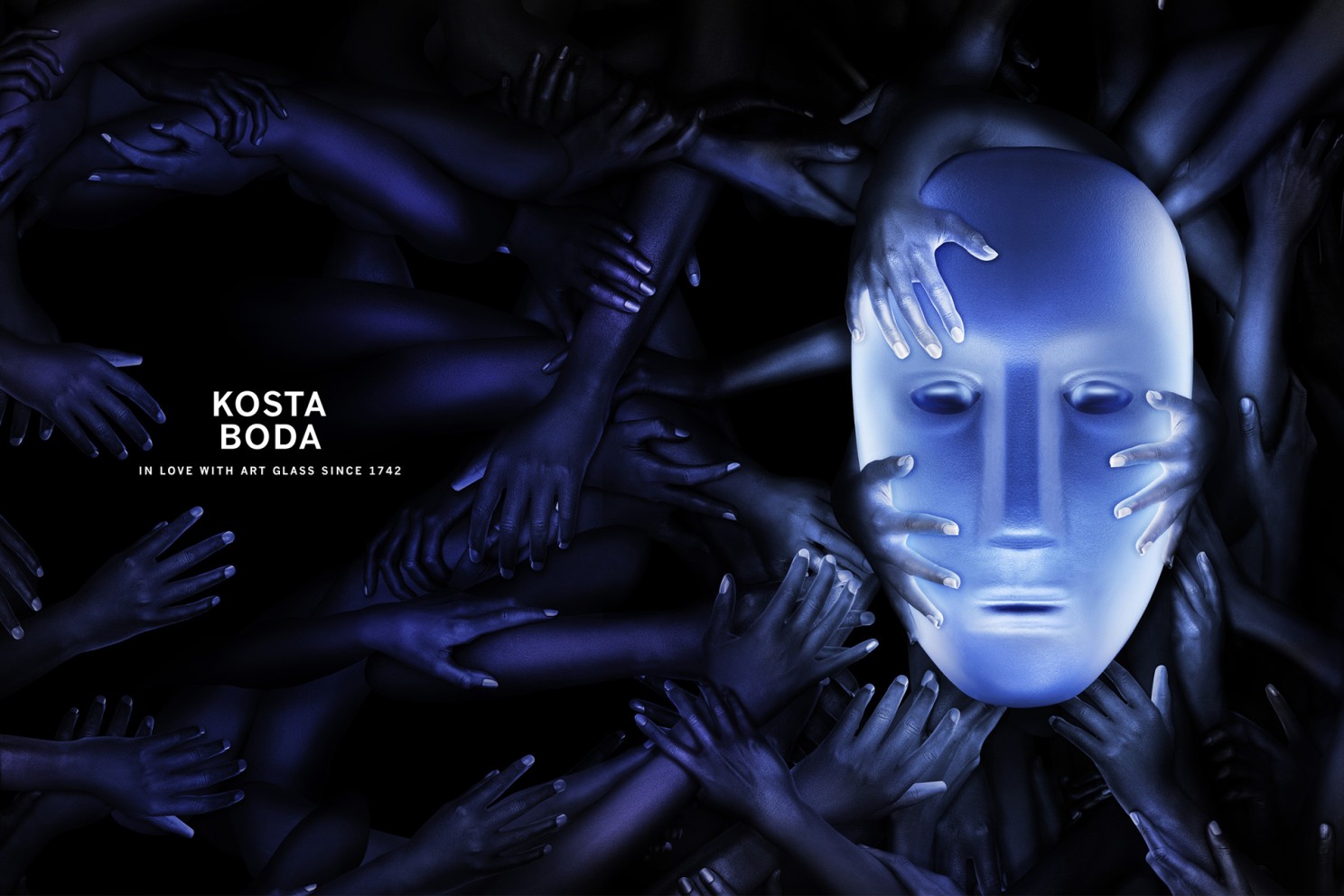
I have had the pleasure of working with a brand like that myself. Svenskt Tenn in Stockholm, founded in 1924. A hundred years later, Josef Frank’s furniture is still made by hand in the same Swedish workshops that have made it since the 1930s.
When Japanese artist Kotone Utsunomiya hand painted their Christmas baubles, every line drawn by hand, we did not film the product. We filmed her hands. That is the brand of 2056. It just started a century early.
What this means for you:
- Every company becomes an experience company. When the thing you make can be made by anyone with a robot and an agent, the only thing left is how it feels to buy it, use it and talk about it.
- Decide now which parts of your product a human will always touch. That is your brand for the next thirty years.
- Scarcity will be manufactured. Limited runs, real people, real places, real time. The brands that understand this first will own the premium end of every category.
7. Time comes home. So does the family.
For two hundred years the family was organised around the factory and the office. Leave at seven, back at six, weekend to recover, children raised by schools and screens because the adults were somewhere else. The industrial family.
In 2056 that is over. No commute. No chores. A household robot cooks, cleans, folds, carries and mows, and it is as boring as a dishwasher. Parents have time. Grandparents have time. Children grow up with adults around them all day for the first time since the farm.
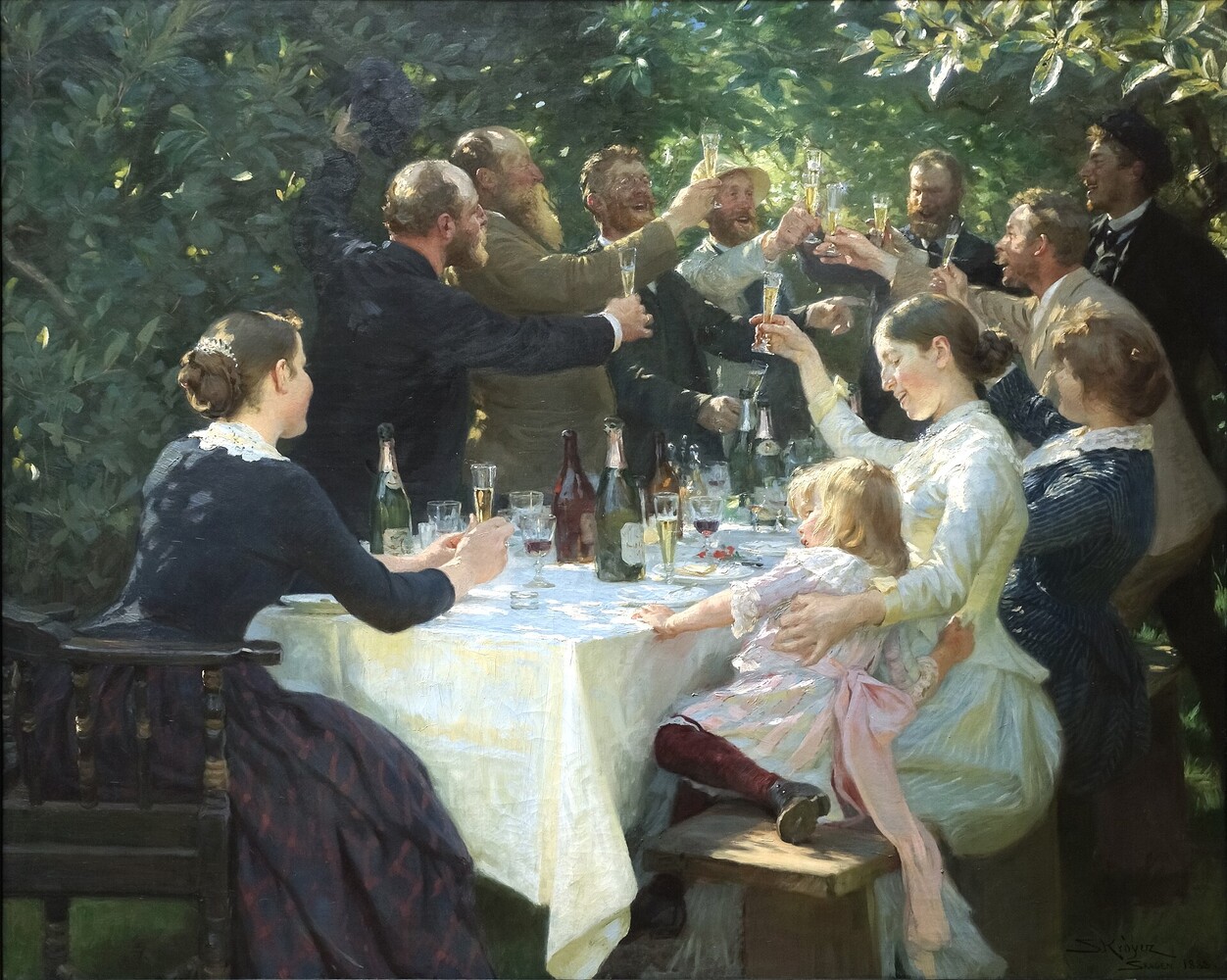
And people still cook. Because it is fun. They garden, build, repair, bake, tinker. The robot does the boring version. The family does the fun version. Care changes too. Robots do the heavy lifting. We have time for our grandparents. An ageing population stops being a crisis the moment you have unlimited hands and unlimited time.
What this means for you:
- The family becomes the economic unit again. Multigenerational homes, family businesses, family projects. Brands that speak to a household instead of a consumer will own the decade.
- Products for the home stop competing on convenience and start competing on joy. Convenience is handled. Sell the Sunday morning, not the shortcut.
- Loneliness is the risk. Abundance without purpose is a quiet place. Anything that turns free time into shared time will be worth more than anything that saves time alone.
8. We live to a hundred. Healthy.
A superintelligence that has watched your body since birth does not wait for symptoms. It sees the cancer at ten cells, the heart problem at the first irregular beat, the depression three weeks before you feel it. Most of what kills us today is handled before it starts.
Robots do the surgery. The human holds your hand. New drugs are designed in an afternoon and tested in simulation before anyone swallows one. The hundred year life stops being a headline and becomes the plan.
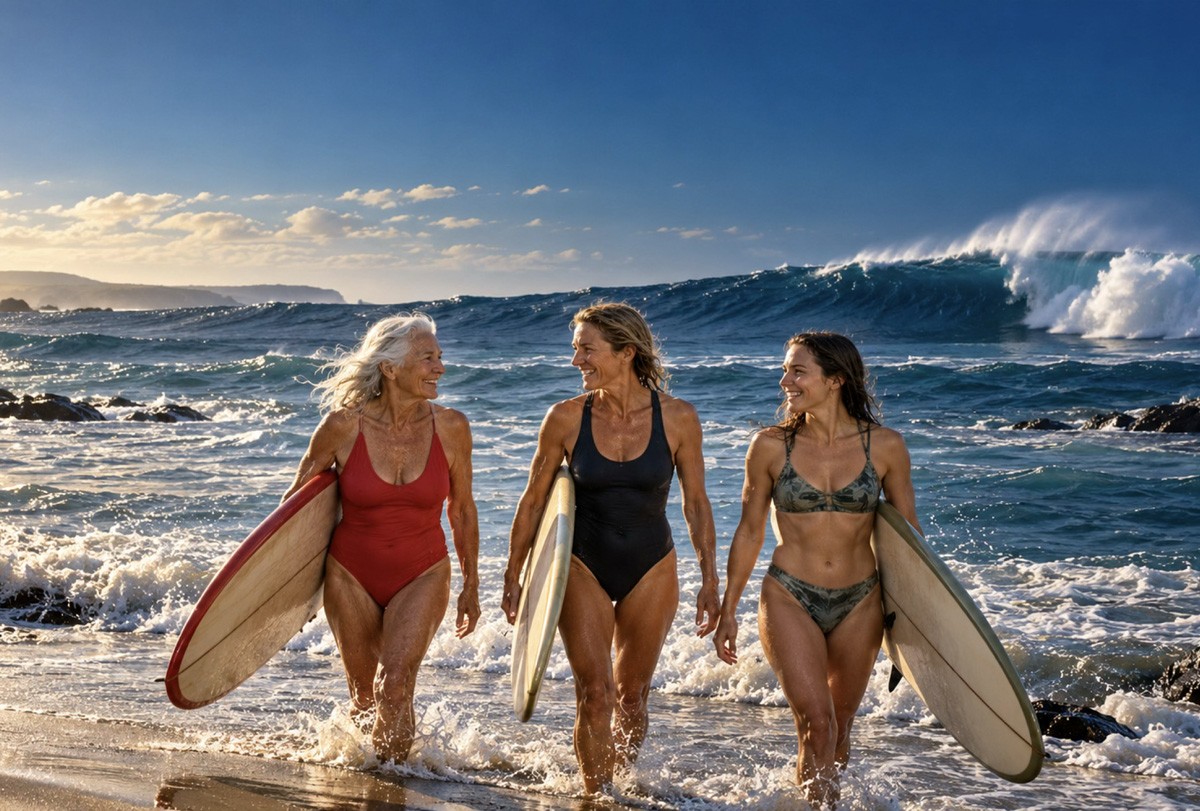
Which breaks retirement. You do not stop at 65 and wait. You start again at 65, and at 80. Four or five careers in a life. Half of them for fun.
What this means for you:
- Your customers will be 90 and fit. Nobody is designing for them. Everyone who does will win.
- The career ladder becomes a career circle. Hire the 70 year old. She has three lives of experience and thirty years left.
- Health moves from hospital to home. The diagnosis is in your watch, the pharmacy is a printer, the doctor is always there. Every business that touches health gets rebuilt.
9. School ends. Learning never does.
The school was built to make factory workers. Rows, bells, grades, one teacher for thirty children. In 2056 every child has a tutor that knows them better than any teacher ever could, never loses patience and is awake at three in the morning. The classroom is gone. The playground stays.
Sal Khan is already building the tutor.
And when Sal sat down with Bill Gates on Unconfuse Me, Bill named the other half. “One thing I always underestimated is how valuable it is for most students to have kind of a social experience.” The tutor teaches you. The playground makes you human.
And learning stops being something you do until 25. With a hundred healthy years and no job to hold, learning is the main activity of adult life. People learn languages for the trip, physics for the fun, woodwork for the chair. Mastery becomes the point of being alive.
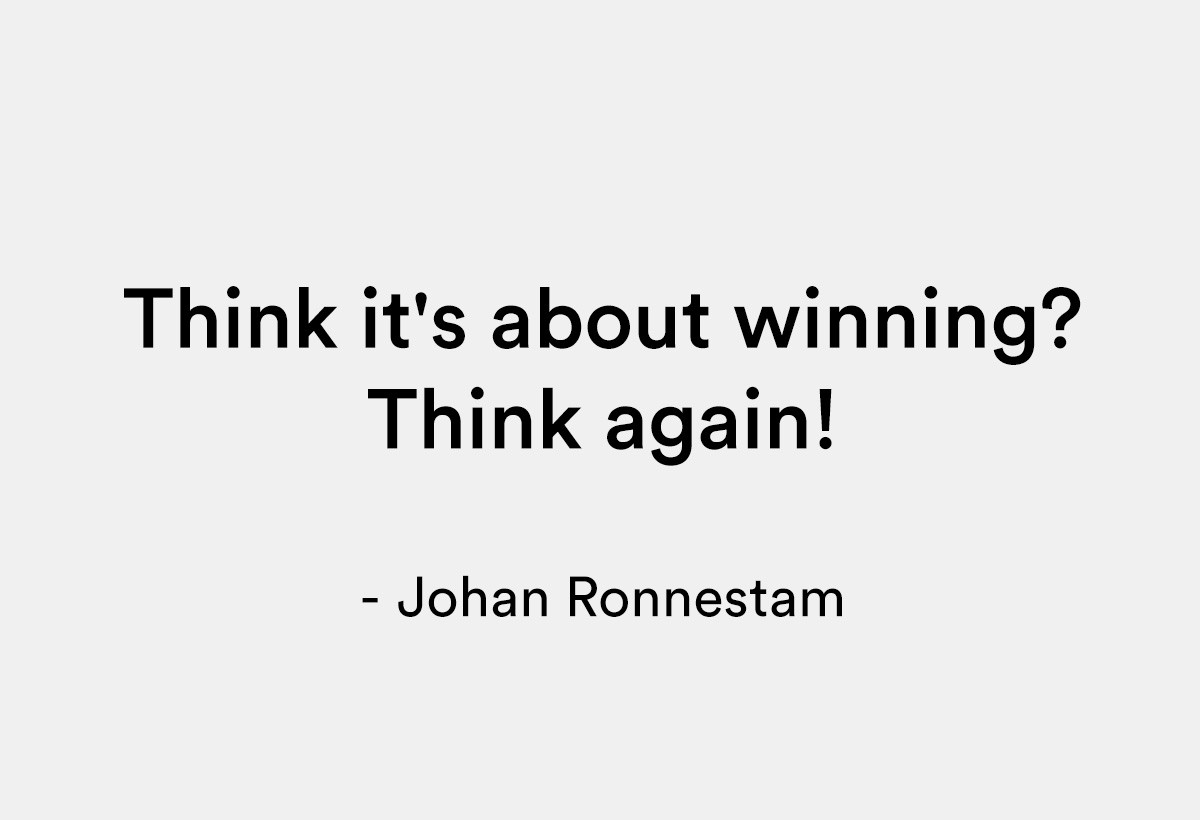
I wrote about this back in 2016, in Think it’s about winning? Think again! “Life isn’t about winning or getting ahead of people. Life is about evolving and getting better at things, not in comparison of others but in comparison of yourself.” And: “Standing still has never gotten anyone anywhere.” In 2056 that is not advice. It is the whole point.
What this means for you:
- The university degree stops being a filter. Hire for curiosity and proof of work. The person with a portfolio of weird projects beats the person with a certificate.
- Training is your product now, whatever you sell. Teach your customers something and they stay forever.
- Give your people bricks. Time, tools and permission to build things nobody asked for. Half of it will be useless. The other half is your pipeline.
10. We become players. We always were.
Watch what people do with their free time already. They run marathons although cars exist. They climb mountains although helicopters exist. They learn the guitar although Spotify exists. They build things in sheds. They play padel at six in the morning. None of it is necessary. All of it is human.
In 2056 that is the main event, not the hobby. Sport, craft, music, cooking, exploring, competing, hosting, building. 3.7 billion people already play video games while we all still work full time. Imagine when the two arrows free up thirty hours a week for everyone.
I have loved LEGO all my life. Bricks with no instructions. I used to think that was a childhood thing. I now think it is the most important skill in the room. Taking pieces that already exist and building something nobody asked for. That is play. It is also the exact definition of innovation.
What this means for you:
- The economy of play is the growth market of the century. Sport tech, creator tools, hobby hardware, travel that is actually weird, games that are not on a screen. Look where people spend their free hours today and multiply by three.
- Your office competes with the golf course. Literally. If work does not feel at least a bit like play, the best people choose play.
- Hire for play. Curiosity, mastery, the urge to build. Those are the traits machines do not have and the traits your company will run on.
11. Where you live stops mattering. Where you are starts.
The commute built the modern city. When it dies, the city changes shape. The office tower is a studio, a kitchen, a workshop, a stage. The suburb is a village again. And the countryside comes back.
Because the last things tying us to the city are disappearing. Solar panels and batteries make your own power. Starlink puts fast internet on any mountain, any island, any lake. Your agent does the work from anywhere. Your robot looks after the house. Water, heat, food, connection. All of it can now live where you do.
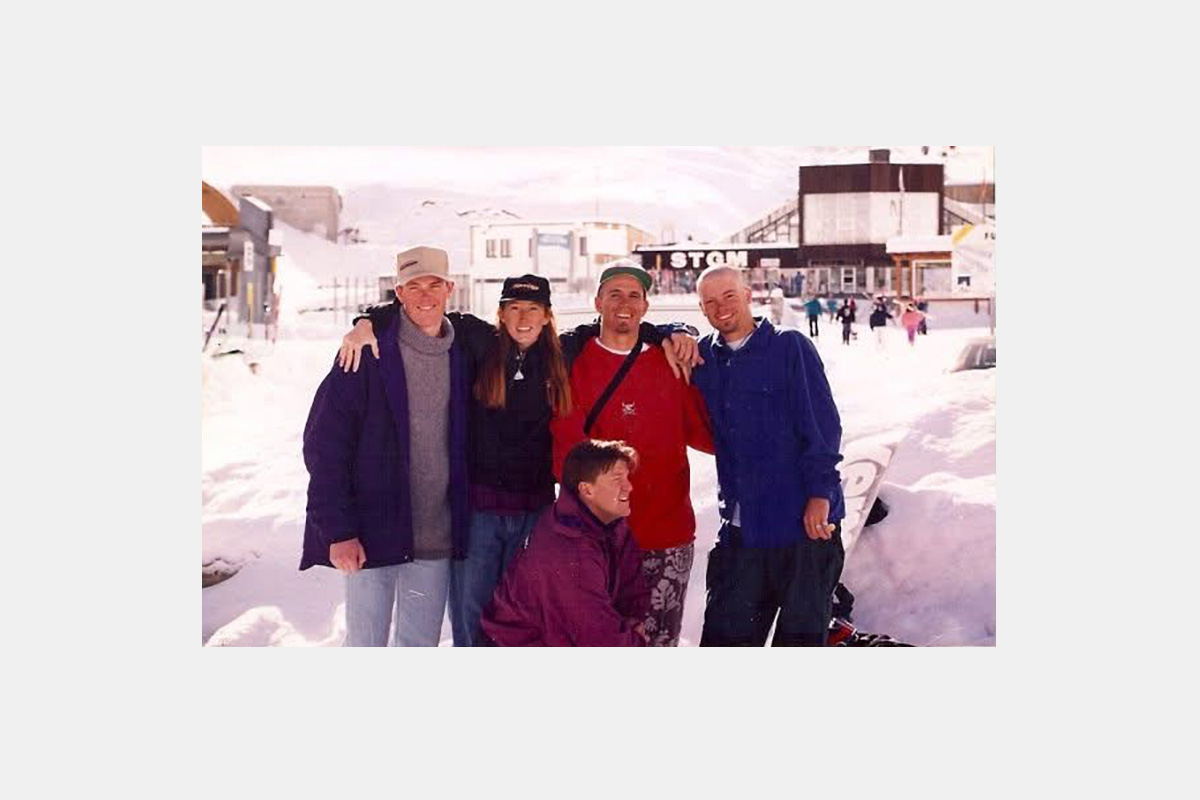
Some are already there. Back in my snowboarding days I used to ride with Mike Basich. Mike went further than most of us. He bought 40 acres in the Sierra Nevada, moved 175 tons of mountain rock with his friends and built a tiny stone house by hand. Solar power. One fireplace. His own chairlift.
In Australia, architect Robbie Walker built Mansfield House for his family. Off grid, on a rocky plateau. Raw steel, concrete, plywood and glass. Half bunker, half glass box. Built to store the sun’s heat, hold up against the weather and last for generations.
Now picture that in Sweden. A glass house in the mountains of Härjedalen. A stone cabin in the archipelago. A farm on Gotland that runs itself. Sweden is built for this.
Clean energy, engineering culture, high trust, space, water, silence, fifty years of robots. The countries that win 2056 are the ones people choose to live in, not the ones they have to.
Travel flips too. Not two weeks a year to escape work. Months at a time because there is nothing to escape. Half of humanity on the move, slowly, for the joy of it.
What this means for you:
- Place becomes a product. Towns, regions and countries compete for residents the way they used to compete for factories. Sweden has a head start and no plan.
- The office is a destination or it is nothing. Design it like a place people choose to visit.
- Tourism becomes residence. Your guest stays three months, not three nights. Everything in that industry gets rebuilt.
12. Who owns the machine? We still get to choose.
Here is the catch. Everything above only happens if the gains are shared. The robots make everything. Somebody owns the robots. If that somebody is a handful of companies, 2056 is not a playground. It is a museum with a very rich gift shop.
Remember the table in section 7? Everyone raising a glass. Here is another table. Last year, in the White House. Sam, Mark, Tim, Bill, Sundar, Satya. A handful of chairs. Most of the machine at one table.
It is not about whether they are good people. It is about how many seats there are. And it is not only companies. It is continents. America builds the closed models. China gives away the open ones and builds most of the robots. Europe has Mistral, the machines from ASML that every advanced chip depends on, and the world’s first rulebook for AI. Not a weak hand. The hand that sets the rules for sharing.
The good news: the technology does not care who wins. It works just as happily for everyone as for a few. The decision is human. It is ours. So here is the question for the people at that table, and for every company that buys from them. What are you giving back?
What this means for you:
- Companies seen to share the gains will be left alone to grow. Companies seen to keep them will be taxed and abandoned. Decide early which one you are.
- Open beats closed in the long run. If your AI strategy is one American vendor, it is a bet, not a strategy.
- You have a vote in this, and a budget. Where you buy your intelligence and your robots decides who owns 2056. Choose like it matters. It does.
PART THREE. THE BIG PICTURE.
So, 2056. Thirty years from now.
We came from work. Ten thousand years of it. Plough, dig, carry, repeat. Born, worked, died. No weekends. No room for anything else.
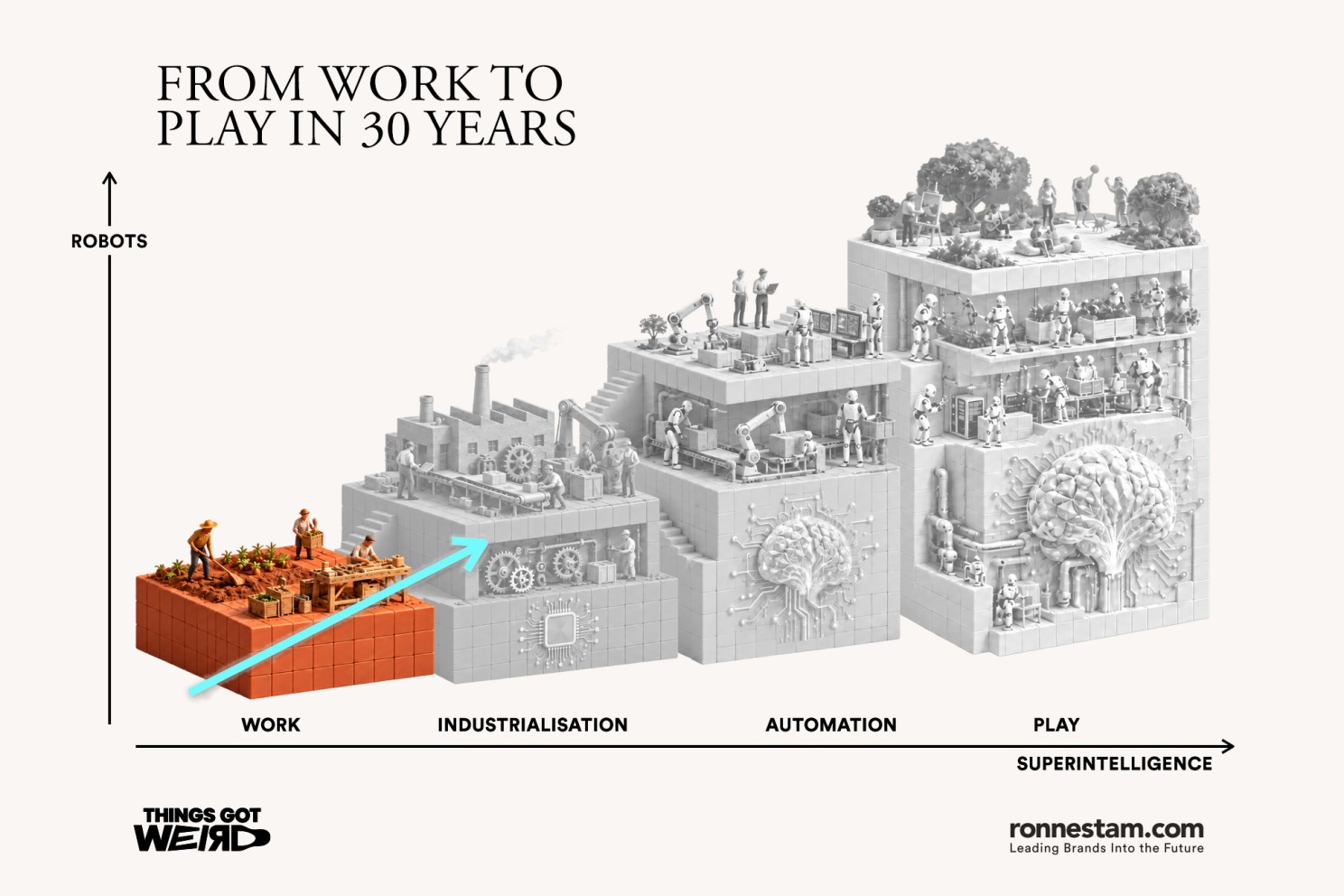
Then industrialisation. 1760. Steam. Chimneys. The machine took the muscle and gave us the assembly line. In 1958 someone built the first chip. Nobody noticed. More stuff, made faster. But we were still on the line. Just a shinier one.
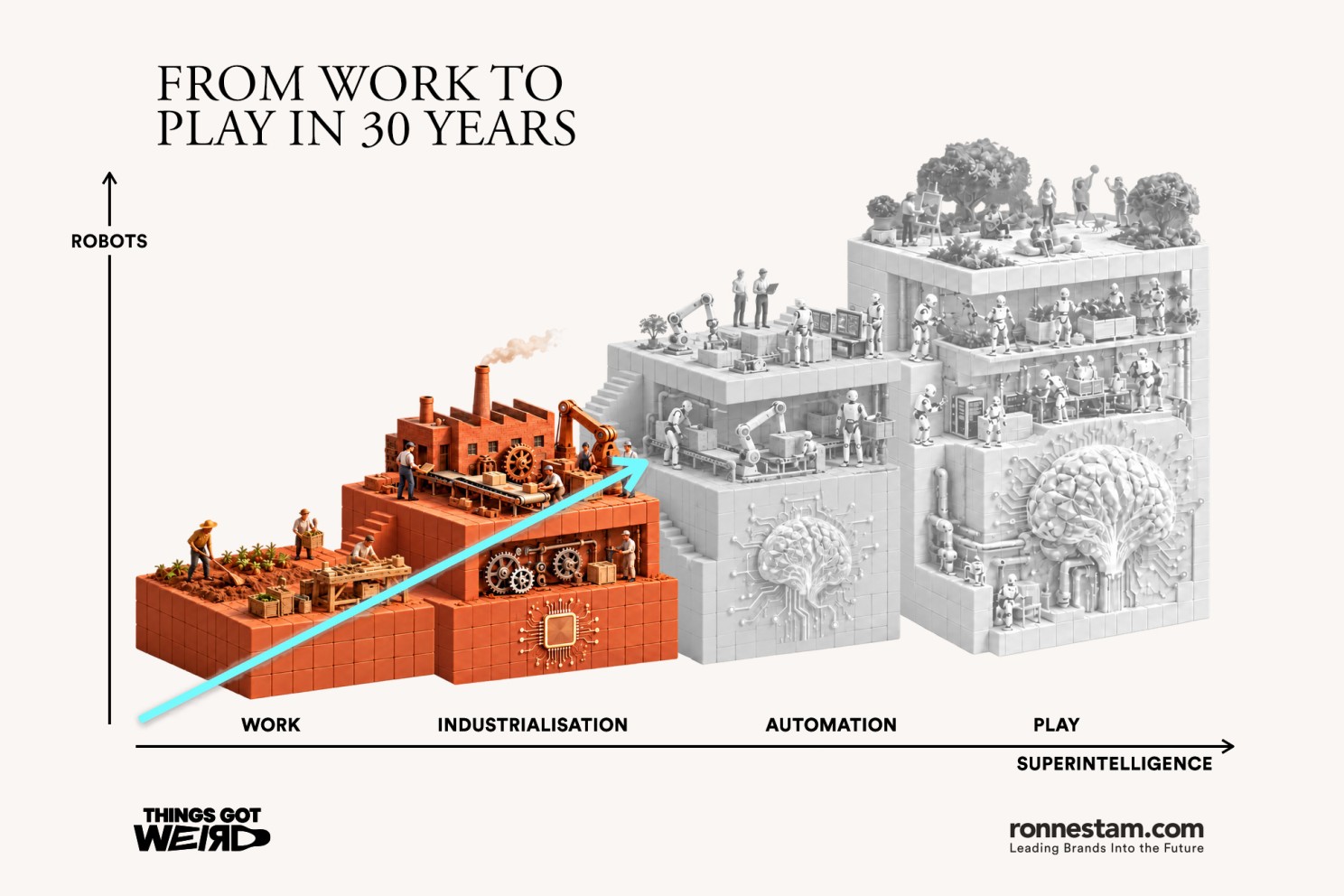
Now. Automation. You are here. ChatGPT, Claude Code, robots in Fremont, Shenzhen and South Carolina. The machine is coming for the mind too. We have moved one step up, tablet in hand. More room on top than ever. Still work though. And yes, this is the scary bit.
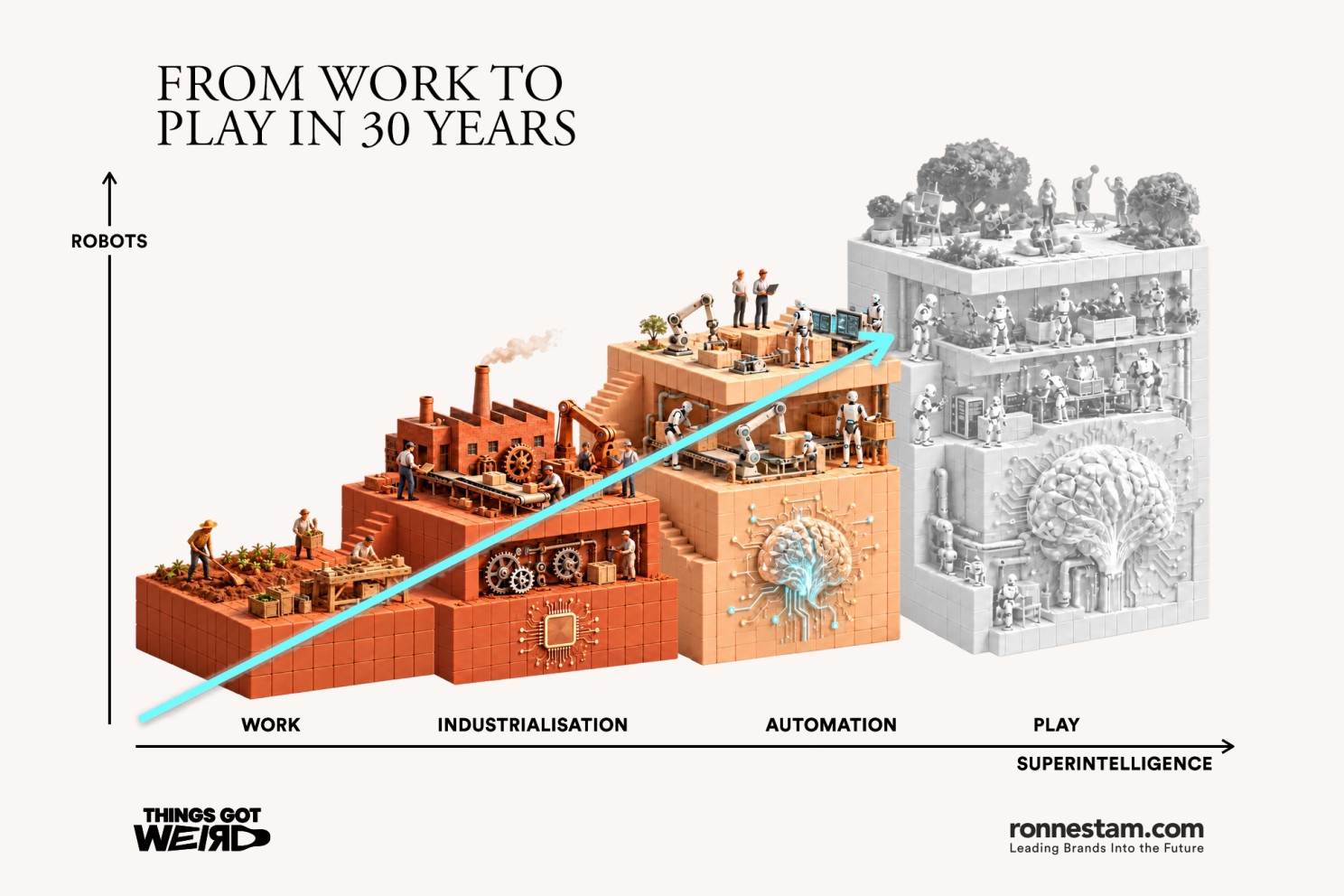
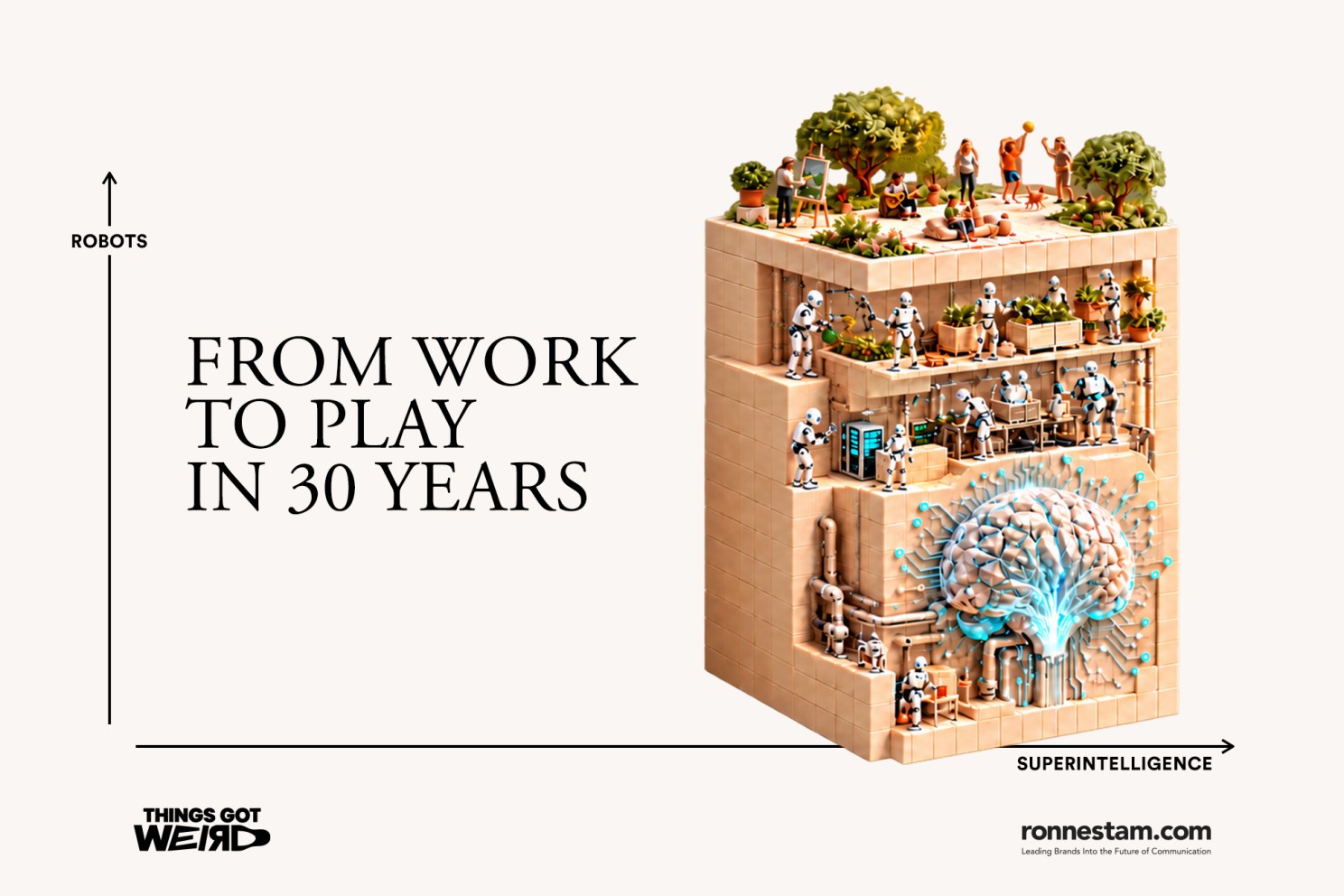
Then play. Thirty years from now.
The machine does the rest. We do the best. The more machine below, the more room for play on top.
Zoom in on that top. A Tuesday. The house ran itself overnight. Your agent has already handled the quarter and your robot has cleared the garden. You spend the morning in the workshop with your daughter, building something that did not exist yesterday. Lunch is long. The afternoon is on the water. In the evening you cook for friends, badly, on purpose, because the robot would do it perfectly and that is not the point.
You are 85. You have decades left and a new thing to learn.
Now zoom out. Eight billion Tuesdays like that one.
Every step stands on the one before it. The plough so we could stop digging. The engine so we could stop carrying. The chip so we could stop calculating. And now robots and superintelligence, so we can stop doing everything we never wanted to do in the first place.
Every species before us was defined by what it had to do to survive. We are the first species on this planet about to be defined by what it chooses to do instead. Not the Greeks, not the Romans, not Keynes. Every one of them had to work. We are the first generation that will have to decide.
What is left is the part no machine has any reason to take. The run, the recipe, the brick, the song, the conversation, the child on your shoulders at a festival. Play. Not as a break from life. As life.
People are worried. I understand. Most of us are standing in automation right now, and it is the hardest step. The transition will be hard, unfair in places and badly managed in most. But the arrow only goes one way. Up. And at the top, we finally get to choose.
Five questions for the next thirty years
- If nobody needed you to work, what would you do on Tuesday? Not the holiday answer. The thirty year answer. If you cannot say it in one sentence, that is the most important thing to figure out before you get there.
- What is the one thing your company does that a human must always do? Not should. Must. If the answer is nothing, you are selling a product the robots will give away for free.
- Who in your life would you spend ten more hours a week with if you had them? Call them today. The hours are coming. Make sure the people are still there when they do.
- What would you learn if you had forty more years? A language, an instrument, a trade, a science. Start this week. The hundred year life rewards the people who began early.
- Which step is your company standing on? Still on the line, or already making room on top? Your people will choose the company that leaves room to play.
Start with one. This week.
Future Impact #1 asked what one person can do when they think like a million. This one followed the arrows all the way to the end and found us there, playing.
Next Monday the future arrives in five small pieces again.
Subscribe if you haven’t. Forward it if you liked it. Things Got Weird
With love
Johan
