

St Eriksplan 3
113 21 Stockholm
Sweden
Hey! It's me again :)
No five stories this time. One long look into the future.
For seven years I wrote the Blog of Ronnestam, mostly guessing at the future. A surprising amount came true. As a futurist, advisor and keynote speaker I owe you two things: staying on top of everything, every week, and stopping now and then to think about what it all really means today, tomorrow, in ten years or twenty.
You already know Things Got Weird, the weekly one. This is Things Got Weird: Future Impact. Standalone post Nr 1.
Let's get weird.
So: AI, the next industrialisation... or the ultimate disruption?
Here's the question I asked myself this week:
"When industrialisation happened, companies could suddenly do the work of many people with steam engines, hydraulics and so on. With AI, one person can suddenly think as effectively as millions of people. What are the consequences over ten years?"
1. AI will drive company growth like never before. But moneygrowth. Not peoplegrowth.
AI is industrialisation at hyperspeed.
Industrialisation made it possible to use machines instead of hands. AI makes it possible to use computing power instead of brain power. More output, fewer people. Both times. Analysis, code, admin, sales, parts of management: everything that happens in an office.

Picture a company of five people. They research the market, develop the product, build the service and launch in ten countries. Work that used to take a head office, an agency, a law firm and a handful of subcontractors. Five people. Hundreds of people's output. That company can sell insurance, software, furniture or fertiliser. The size of the idea no longer decides the size of the payroll.
The threat: your competitors get the same capability. Overnight. Producing a lot becomes a weak advantage. The opportunity: more companies will be started in the next ten years than at any time in history. And what wins is now the human stuff. Your customer relationships. Your distribution. The assets you own. Your ability to make something people ACTUALLY WANT.
What this means for you:
- You will be able to build a global business with a team that fits around your kitchen table.
- Your next serious competitor will be a company you would dismiss as too small today.
- Hiring more people will stop being your default answer to growing demand.
- Your ability to focus will become more valuable as your capacity to produce expands.
2. The best expert work in the world will cost you almost nothing. And you will want more of it than ever.
An analysis that took a week now costs almost nothing. So you order ten. Small companies get the advice only big companies could afford. Every person on earth gets learning tailored to them. That is an enormous win for society. One of the biggest ever. I love this bit.

Now the cold shower. Value to the customer and income to the producer will move in different directions. The service gets better. It gets used more. And the price and the margin fall. For agencies and consultancies, billing by the hour is over. Ten times more efficient does not mean ten times more income.
But think about what you can build in a world where expert advice is free.
What this means for you:
- You will have access to expertise your budget has always kept out of reach.
- If you sell hours, every leap in efficiency will give your client a reason to pay you less and for you to deliver more.
- Your customer will arrive better informed and harder to impress.
- You will be able to turn expertise you once sold by the hour into services people can use without you being in the room.
- Your ability to turn advice into results will become more valuable than the advice itself.
3. The jobs you know will die. But new ones rise on the horizon, and the modern thinker has nothing to fear.
First. Organisations will hire less and let fewer people handle... MORE WORK. Then. Whole roles disappear as workflows get rebuilt. The ILO's 2025 analysis says changed tasks, not automated professions. That's a picture of 2025. Not an answer for 2036.

The hard part. The simple tasks are how people learn the trade. If AI does the juniors' work, where does the next generation get its judgement? We need new ways in, and nobody has built them yet.
Then the horizon. New jobs will grow when costs fall and demand rises. They always have. Not always fast enough, in the right places, or for the same people. And if AI gets very general, it takes parts of the new jobs too. But if you can think, learn and use the machine, you are not the one who should be worried.
What this means for you:
- You will need to learn again while you are still good at your current job.
- Your ability to direct and check AI’s work will become part of your professional credibility.
- The work you can demonstrate will carry more weight than the job titles on your CV.
- If you are entering a profession, getting your first opportunity will become harder as companies automate the work they once gave beginners.
- If you lead a team, you will have to create new ways for juniors to earn their experience.
- Your career will include work nobody could have hired you to do today.
4. You will have more power than any individual in history. But someone else will own the machine.
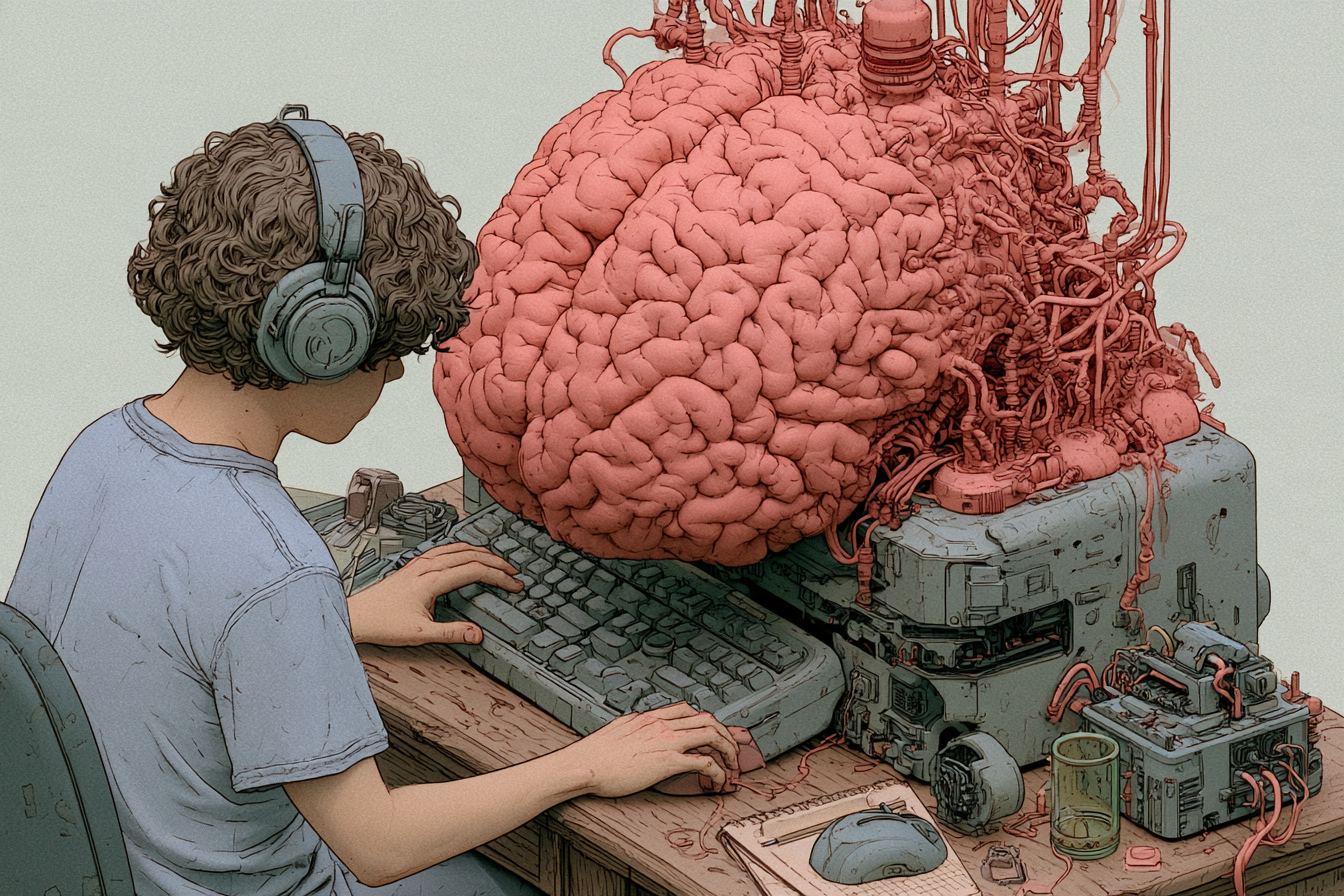
A decisive two-way movement. One person gets more room than ever to start companies, learn, create and influence. You. With a laptop. Wow.
At the same time, millions of people like you depend on a few suppliers of models, computing power and distribution platforms. Having access to the means of production is not the same as OWNING them.
If AI becomes cheap, interchangeable and available from many directions, the gains spread to all of us. If a few players control the best capacity and the road to the customer, the gains end up with them. That's why ownership and competition will matter at least as much as learning to use AI. Put both on the agenda.
What this means for you:
- Your AI supplier (GPT, Claude, Gemini, Meta...etc) will be able to change your margins with one pricing decision.
- Your freedom to switch platforms will become a business advantage.
- Your direct relationship with the customer will become an asset you cannot afford to outsource.
- Your share of the gains will depend on what you own as well as what you can do.
5. AI will invent at ridiculous speed. Then robots will help build what it invents.
The biggest opportunity of the decade: AI helps us discover better materials, energy systems, medicines... and better AI. Better tools build the next generation of tools. Improvements feed improvements. This is the part that makes me giddy.
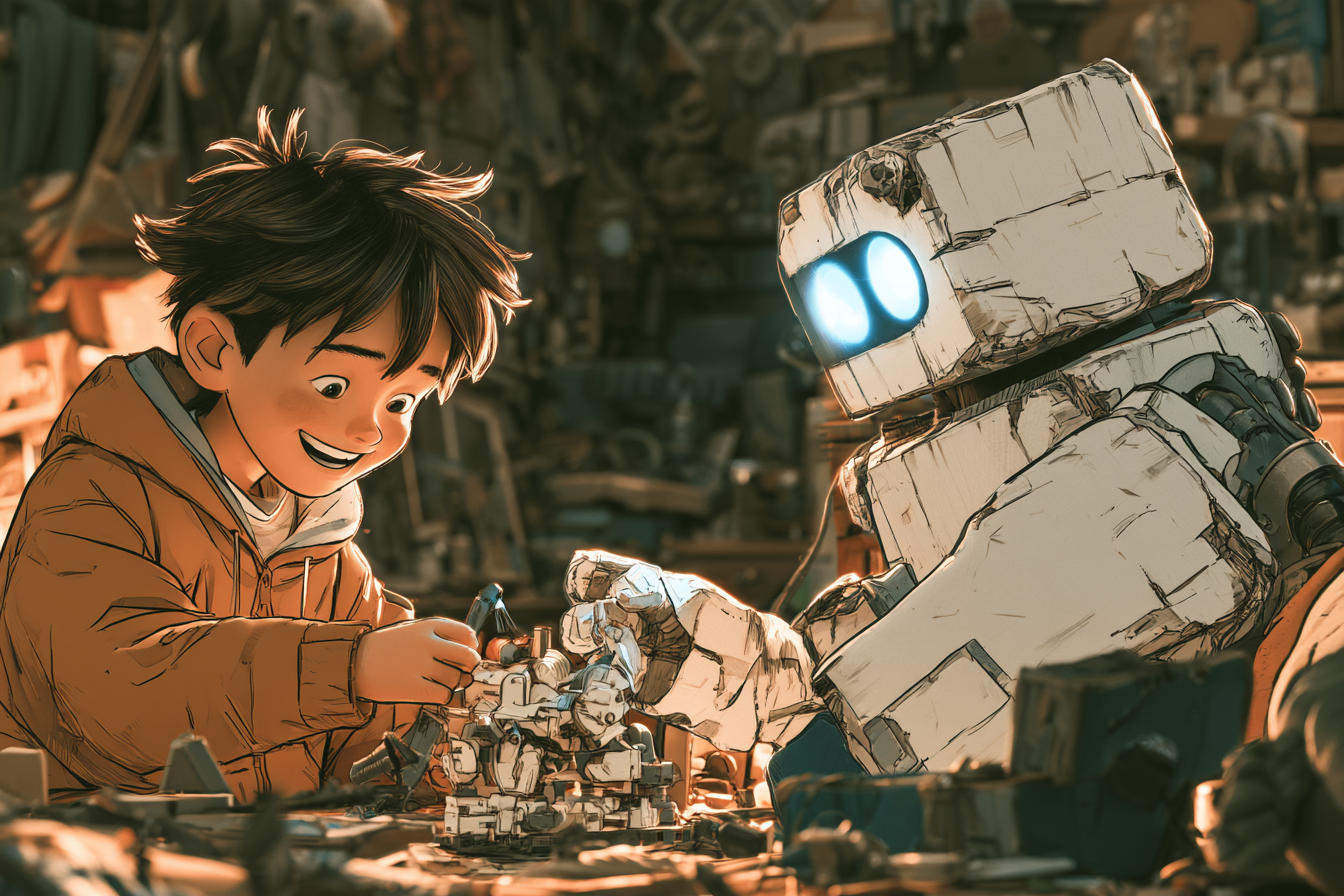
And the loop doesn't stop at software. We can build robots, put them to work in factories, and use what they learn to make the next robots better. The physical world can speed up too. UBTECH is already delivering its Walker S2 robots in batches for industrial use.
But then reality knocks. A robot leaving a factory is not the same as a robot doing useful work every day. A promising new material still needs testing and production. And all that computing power needs electricity; the IEA points to strained power grids and long construction times as real limits.
So don't expect two neat speeds. Ideas can race ahead. Robots can make production faster. Power grids and factories take longer to expand. The next decade belongs to people who can connect all three.
What this means for you:
- You will be able to explore product ideas that were too expensive to test before.
- You will face competitors who can improve their products faster than your current development cycle allows.
- Your access to testing, energy and production will decide which of your ideas become a business.
- If you can connect digital invention with physical delivery, more industries will need your skills.
6. Anyone will be able to make anything look true. Being believed becomes your most valuable asset.
Soon, convincing articles, product images, videos and arguments will be cheap to make. We'll drown in them. But nobody gets an extra minute to work out what's real.
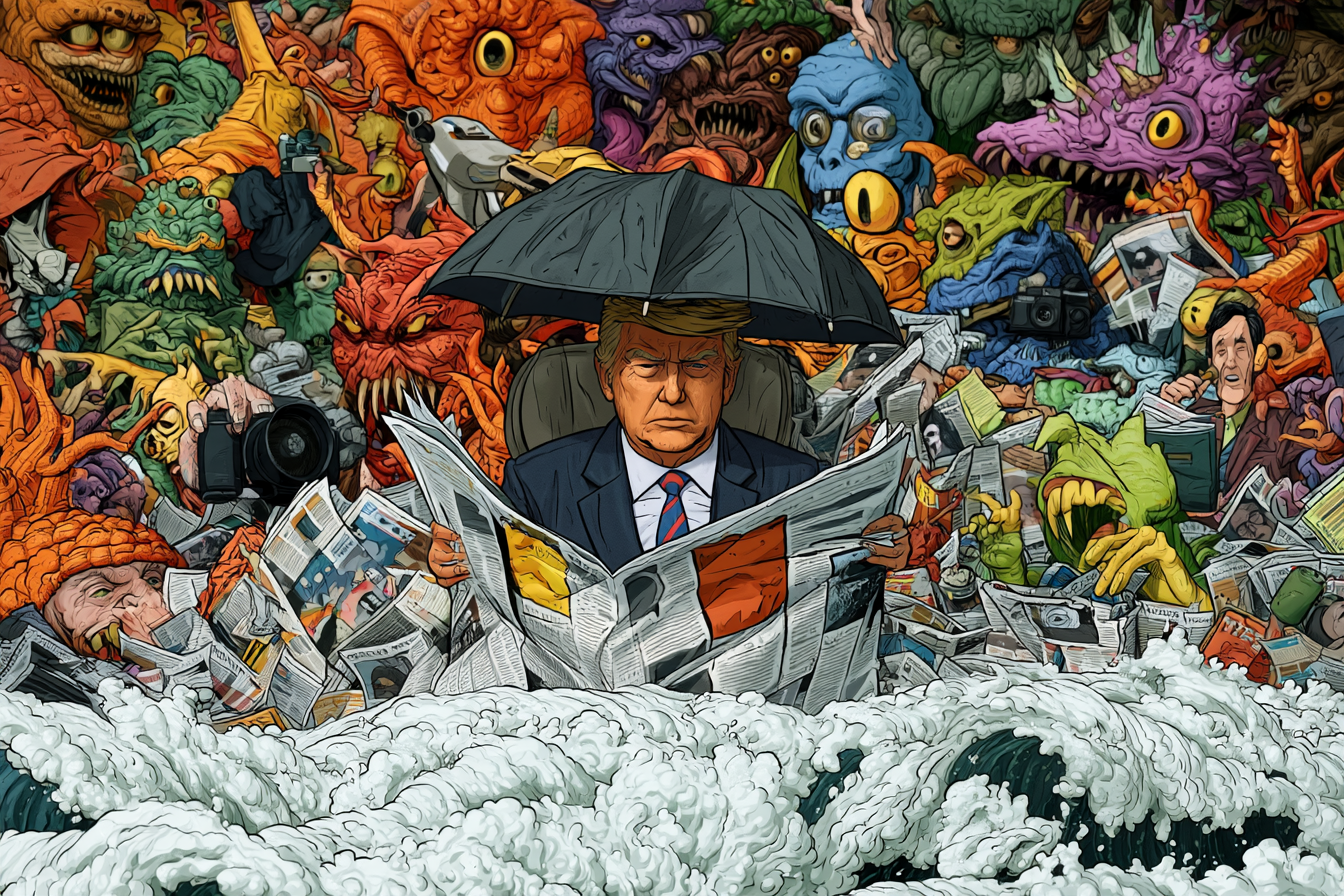
The dark side: fraud and political manipulation get easier to scale. More intelligence in the world doesn't automatically mean better decisions. We'll need to know who made something, what backs it up and who takes responsibility when it's wrong.
The bright side, and it's very bright for some of you: people who have dealt with you before won't have to guess. They know what you deliver. In a world full of things that look real, that experience becomes gold.
What this means for you:
- Your customers will need stronger reasons to believe what you show them.
- Your next customer will care more about what your last customer experienced.
- A broken promise will cost you more when trust is what separates you from thousands of convincing alternatives.
7. By 2036, we will produce more and work less. The people who use that freedom well will change everything.
AI will take hours out of work that fills our weeks today. Some companies will keep those hours as profit. Others will use them to make better things with smaller teams and give people time back. Both will happen.
But the biggest change won't be a four-day or even two-day week. It will be what people do when their best ideas no longer have to wait for a big budget, a large team or permission from a boss. More people will start companies, learn new trades, make things and solve problems they could only talk about before.
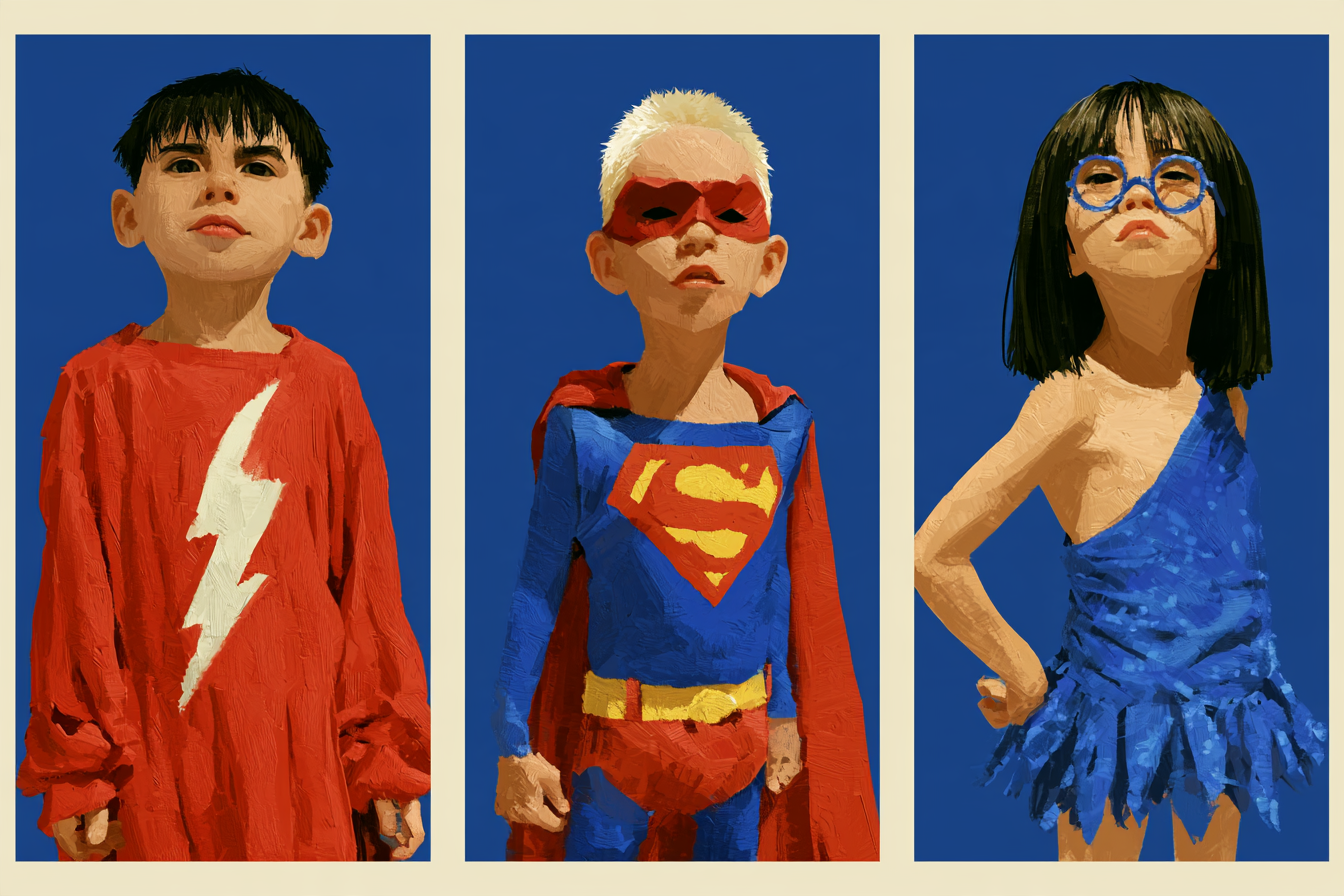
And yes, the skill you spent twenty years mastering may become cheap. That will hurt. Then you'll use it to do something you couldn't have imagined when you started.
By 2036, the winners won't be the people who worked the most hours. They'll be the people who knew what to do with the hours they got back.
What this means for you:
- A shorter working week will be a decision you make or negotiate. Productivity alone will not put Friday off in your calendar.
- The project you keep postponing will need less money, fewer people and less permission to get started.
- Your relationship with work will change when being busy stops proving that you are useful.
- If you lead people, the freedom you give them will become a bigger part of why they choose to work for you.
- You will have to decide what “enough” looks like when there is always capacity to do more.
So, 2036
What are you waiting for? AI will help you turn ideas into products, take your expertise into new markets and build businesses you could never have afforded to start before. You and your team will have capabilities that once required hundreds of people.
Think about what that means for the idea you've been sitting on. The market you've wanted to enter. The problem you know how to solve, if only you had the resources.

AI will help us discover better materials, develop medicines and design better energy systems. Robots will help us put more of those ideas to work. Better tools will help build the next generation of tools. Each breakthrough gives us a bigger starting point for the next one.
New companies. New careers. More people than ever before, getting the chance to learn, contribute and build something of their own.
That is a future worth getting excited about.
Five questions to get you going NOW!
- If a team of five could do the work of five hundred, what would you finally dare to build?
- If world-class expertise cost almost nothing, which problem would you take on that feels impossible today?
- What could the next generation achieve if we gave them these tools, real responsibility and room to experiment?
- How could you use that extra capacity to make life dramatically better for the people who already trust you?
- If AI gave you a day back every week, what would you finally make time for?
That was Future Impact number one. There will be more.
Subscribe if you haven't. Forward it if you liked it.
With love Johan
PS. Here's me in 2012, (in Swedish) telling 1,100 people that every child must learn to code. Fourteen years later the machine codes. Some predictions age badly. That's the job.
PPS. Last summer in Croatia I asked a room full of marketers: if anyone can create anything, who wins? Sophia the Robot went on stage right after me. Still waiting for her answer.
To get in touch or hire Johan for branding, innovation, product development or keynote events – Send me a message or an email (google Johan Ronnestam Creative Studio)